

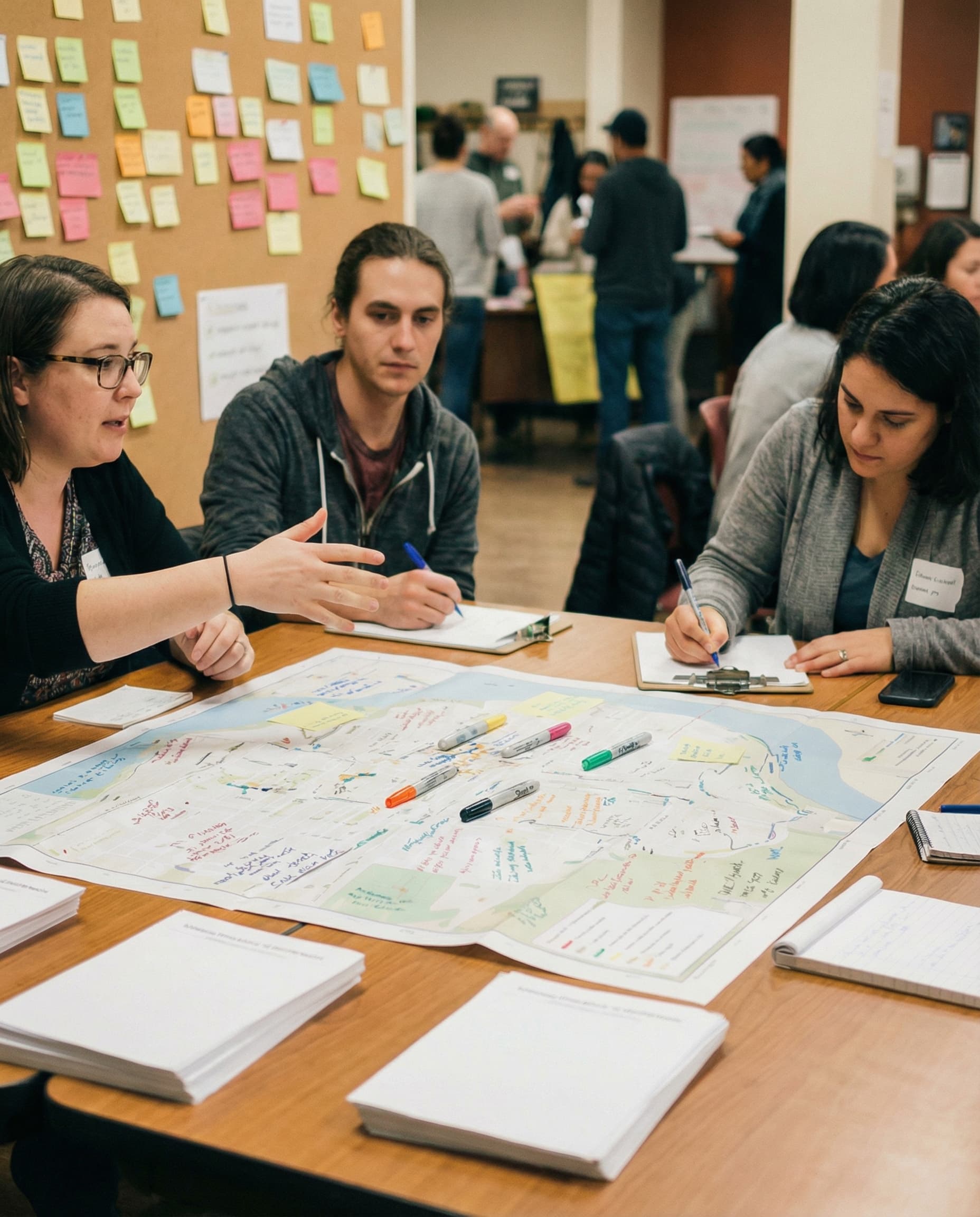
Leverage state governments and regional clusters.
Use state and regional clusters to speed launch and increase resources, while reducing zero-sum fights over where the center sits. Encourage a flagship center with a small number of satellite training or testing nodes, supported by state matching funds and existing biotech hubs. The design must stay tight to avoid spreading resources too thin.
Why this works
- State buy-in can amplify resources (the press release implies states like PA are enthusiastic).
- Also, it mitigates political tussle by making it less a zero-sum location battle.
- Regional centers might maximize talent retention by training people where they’ll work (train NC workforce in NC, etc.).
Public Citizen
AdvocacyChampioning consumer rights and accountable government
Public Citizen is a nonprofit consumer advocacy organization founded in 1971 by Ralph Nader. It works to ensure that all citizens are represented in the halls of power by promoting public health and safety, government transparency, and corporate accountability. Public Citizen fights for campaign finance reform and ethics (it helped create the Office of Congressional Ethics:), advocates for safe pharmaceuticals and medical devices, pushes for strong consumer protections in trade deals, and litigates to enforce health, safety, and environmental laws.
Mechanism
About GrassrootsHow Public Citizen uses funding
- Map existing regional biotech hubs and state interest referenced in the cause materials.
- Design a flagship-plus-spokes model that clarifies what happens at the center versus satellite nodes.
- Work with states on matching funds, incentives, and facility support.
- Align workforce training with regional industry needs to improve talent retention.
- Use collaboration to reduce location politics and build broader support.
- Coordinate governance so multi-state participation does not fragment priorities.
Milestones
Checkpoints and the expected timing for each step
- 1
Regional map and model drafted
Near termHub options and roles are defined.
- 2
State commitments pursued
Near termMatching or incentive offers are documented.
- 3
Node selection finalized
Pre-launchFlagship and satellites are confirmed.
- 4
Coordination structure operational
After selectionGovernance and delivery cadence are in place.