The building blocks of
political change.
CrowdFlow strategies aren't magic. They are precise combinations of proven political tactics—executed by expert partners and funded by you.
Why does this matter?
CrowdFlow routes funds through the legal entity required for the tactic you choose.
Typical legal entity: Political Action Committee (future lane) — PAC.
Political Action Committee. A future CrowdFlow lane reserved for candidate-focused work; not active at launch. Contributions are regulated and not tax-deductible.
On strategy pages, you'll also see the specific partner and entity before you commit votes. Learn more in FAQs.
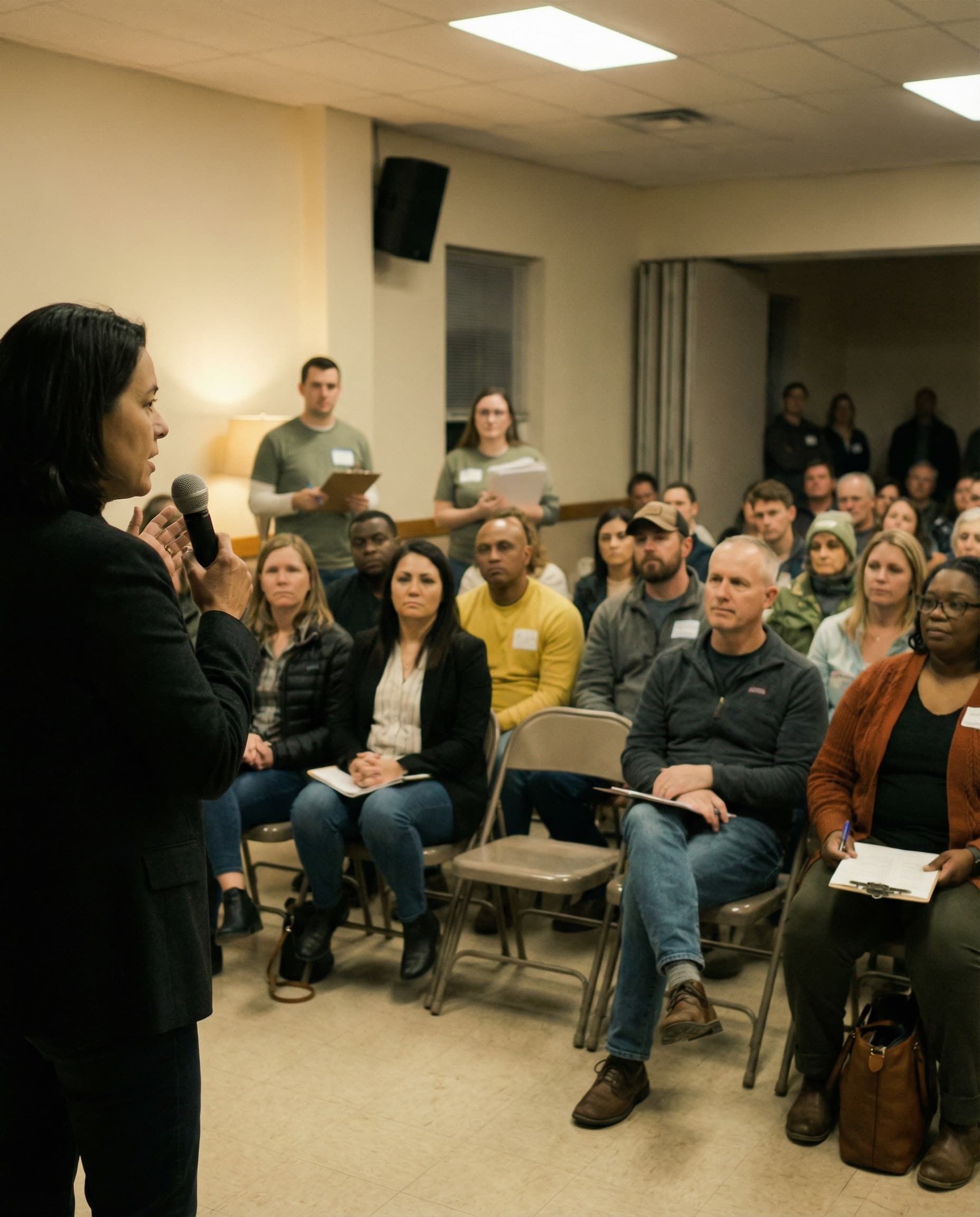
Candidate Support
Help aligned candidates win elections so they can advance the cause in office.
Candidate support backs specific candidates who champion an issue, aiming to change outcomes by putting supportive decision-makers in office. It goes beyond endorsements by funding voter outreach, operations, and messaging within election rules.
Timeline
Driven by election calendars, primary/general structure, and how early outreach must start.
How it works
- 1Select a candidate or slate aligned to the cause and define the objective for the race.
- 2Use the right vehicle (often a PAC) to raise and spend funds within election rules.
- 3Run voter programs: canvassing, phone/text outreach, mail, and digital.
- 4Execute GOTV in the final stretch to convert supporters into ballots cast.
- 5Shift post-election: engage the winner in office or recalibrate after results.
Why does this matter?
CrowdFlow routes funds through the legal entity required for the tactic you choose.
Typical legal entity: Advocacy Nonprofit — 501(c)(4).
A 501(c)(4) nonprofit. Supports lobbying and advocacy work. Donations are not tax-deductible.
On strategy pages, you'll also see the specific partner and entity before you commit votes. Learn more in FAQs.
Ballot Measures
Put a proposed law or policy directly to voters when legislatures won’t act.
A ballot measure is a proposed law or policy question that voters approve or reject at the state or local level. It’s a form of direct democracy that can enact statutes or constitutional amendments without going through the legislature. Ballot measure advocacy is treated as lobbying for federal tax purposes; major campaigns often involve state-specific ballot committee structures. C3s can participate in drafting and public education within lobbying limits.
Timeline
Varies by state deadlines, signature windows, verification time, and court challenges.
How it works
- 1Draft and file the measure text under state rules (often triggering an official title/summary process).
- 2Gather signatures to qualify for the ballot, usually targeting a cushion above the minimum.
- 3Submit signatures for verification and resolve any procedural challenges.
- 4Run the public campaign through Election Day: outreach, persuasion, and coalition work.
- 5Support implementation and defense after the vote (implementation, litigation risk, and follow-through can matter).

Why does this matter?
CrowdFlow routes funds through the legal entity required for the tactic you choose.
Typical legal entity: Tax-Deductible Nonprofit — 501(c)(3).
A 501(c)(3) nonprofit. Your donation is tax-deductible and goes directly to the organization.
On strategy pages, you'll also see the specific partner and entity before you commit votes. Learn more in FAQs.
Voter Engagement
Mobilize voters with nonpartisan field, phone, and mail programs that boost participation.
Nonpartisan voter engagement helps eligible people register, understand how elections work, and cast ballots, without endorsing candidates or coordinating with campaigns.
Timeline
Driven by registration deadlines, early vote periods, and operational capacity.
How it works
- 1Plan within nonpartisan rules: align the program to deadlines and neutrality guidance.
- 2Register and inform: help people register/update and share clear how-to-vote information.
- 3Reach consistently: use trusted messengers, field outreach, and reminders close to deadlines.
- 4Support participation: remove barriers with logistics info and assistance where allowed.
- 5Carry it year-round: convert one-time contact into ongoing civic participation.
Why does this matter?
CrowdFlow routes funds through the legal entity required for the tactic you choose.
Typical legal entity: Advocacy Nonprofit — 501(c)(4).
A 501(c)(4) nonprofit. Supports lobbying and advocacy work. Donations are not tax-deductible.
On strategy pages, you'll also see the specific partner and entity before you commit votes. Learn more in FAQs.
Lobbying
Influence specific legislation by communicating with public officials or urging others to do so.
Lobbying is focused advocacy tied to a specific legislative outcome: supporting, opposing, or amending a bill or budget item. It differs from general issue education because it is connected to a concrete vote or legislative decision.
Timeline
Driven by legislative calendars, committee schedules, and whether a bill must be reintroduced.
How it works
- 1Define the objective: select a specific bill, amendment, or budget decision to influence.
- 2Build the case: prepare facts, briefs, and coalition alignment to support the position.
- 3Engage decision-makers: meet with lawmakers and staff; provide testimony and targeted outreach.
- 4Track and respond: monitor amendments, committee movement, and vote timing; adjust messaging and coalition work.
- 5Close the loop: document outcomes and next steps after passage, defeat, or carryover.

Why does this matter?
CrowdFlow routes funds through the legal entity required for the tactic you choose.
Typical legal entity: Advocacy Nonprofit — 501(c)(4).
A 501(c)(4) nonprofit. Supports lobbying and advocacy work. Donations are not tax-deductible.
On strategy pages, you'll also see the specific partner and entity before you commit votes. Learn more in FAQs.
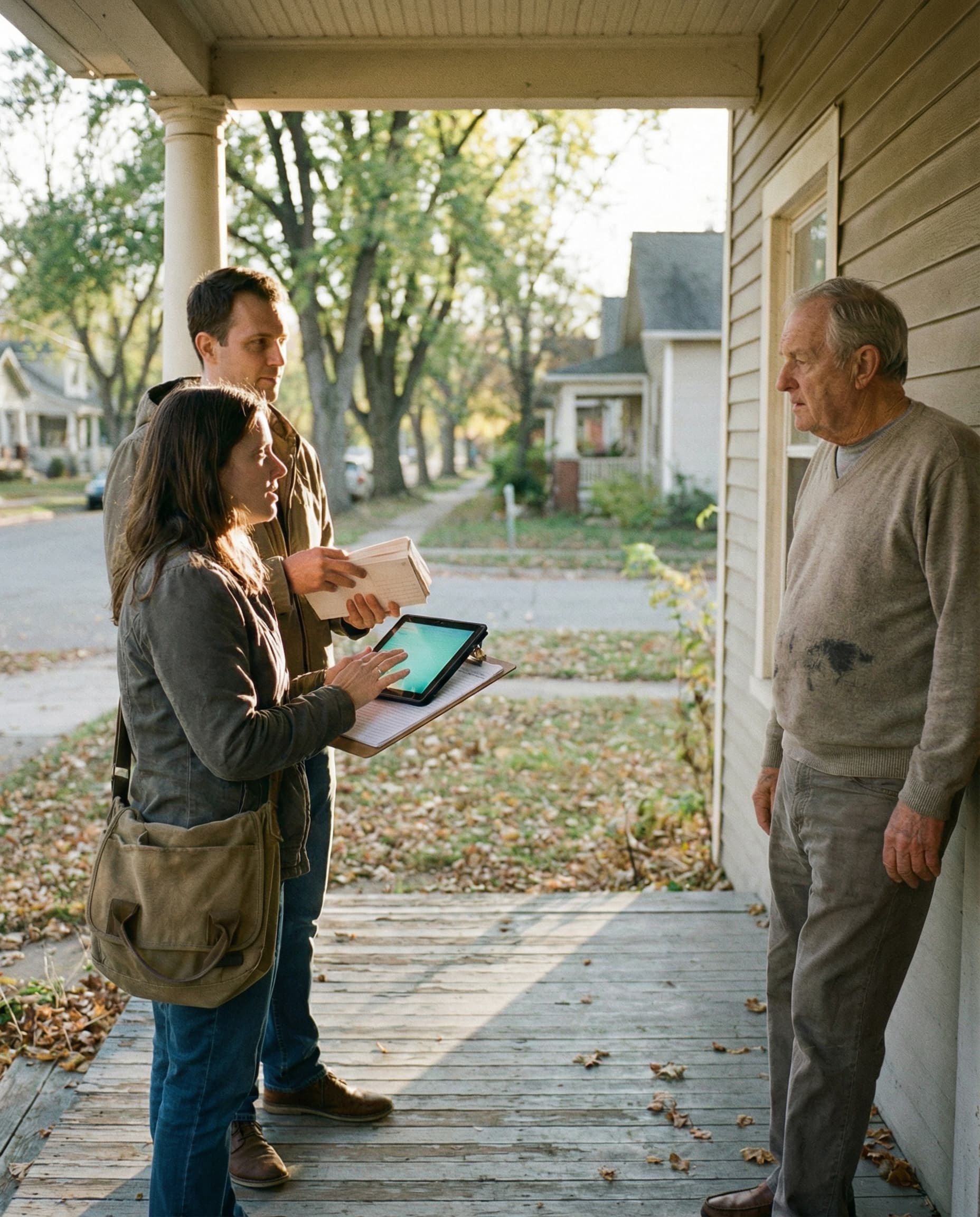
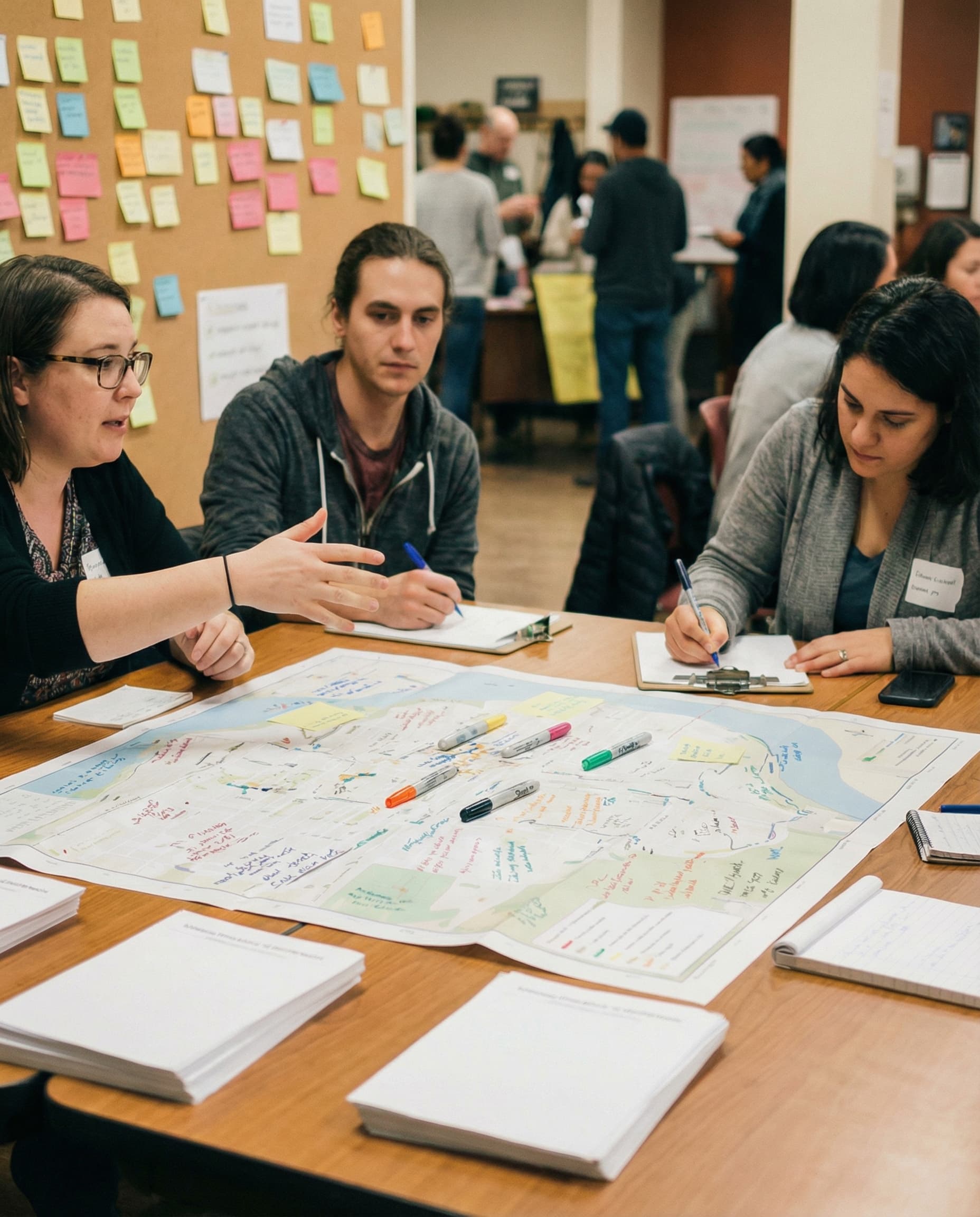
Grassroots
Organize communities, build local power, and sustain pressure from the ground up.
Grassroots organizing builds local capacity by recruiting, training, and coordinating people to take sustained action over time. It works by developing leaders, building relationships, and turning shared goals into repeated, measurable actions.
Timeline
Driven by volunteer capacity, trust-building, and the complexity of coalition coordination.
How it works
- 1Recruit and train: build teams, develop local leaders, and align around goals.
- 2Plan actions: set objectives, assign roles, and run events and actions (meetings, rallies, petitions).
- 3Sustain momentum: maintain cadence, support volunteers, and adapt tactics based on results.
- 4Build coalitions: connect groups and stakeholders to increase leverage.
- 5Convert pressure into outcomes: coordinate with policy, media, and other tactics when decision windows open.
Why does this matter?
CrowdFlow routes funds through the legal entity required for the tactic you choose.
Typical legal entity: Advocacy Nonprofit — 501(c)(4).
A 501(c)(4) nonprofit. Supports lobbying and advocacy work. Donations are not tax-deductible.
On strategy pages, you'll also see the specific partner and entity before you commit votes. Learn more in FAQs.
Media
Run earned and digital campaigns that inform the public and shift momentum.
Media advocacy uses news, social media, and communications campaigns to raise visibility, influence public debate, and create pressure at key moments. It’s most effective when tied to a clear objective and a decision window.
Timeline
Driven by news cycles, policy windows, and capacity to sustain distribution and response.
How it works
- 1Define the objective and the decision-maker: clarify what outcome you need and who can deliver it.
- 2Develop the narrative: messages, proof points, and content that travel across channels.
- 3Distribute and engage: outreach to press, community channels, and digital audiences.
- 4Monitor and respond: track attention, address counter-messaging, and adjust quickly.
- 5Close the loop: document what changed and what the next move is.

Why does this matter?
CrowdFlow routes funds through the legal entity required for the tactic you choose.
Typical legal entity: Tax-Deductible Nonprofit — 501(c)(3).
A 501(c)(3) nonprofit. Your donation is tax-deductible and goes directly to the organization.
On strategy pages, you'll also see the specific partner and entity before you commit votes. Learn more in FAQs.
Litigation
Use courts to enforce rights, stop harmful actions, or compel remedies when other channels fail.
Advocacy litigation uses lawsuits to enforce existing laws, protect rights, and hold governments or companies accountable. Courts can order remedies that block unlawful policies, require compliance, or compel cleanup and restitution.
Timeline
Varies with court schedules, complexity, discovery, and appeals.
How it works
- 1Select plaintiffs and claims with standing and a clear legal theory.
- 2File the case and define the remedy sought (stop, require, or correct an action).
- 3Build the record through evidence, briefs, motions, and expert support.
- 4Seek interim relief when needed (for example, injunctions to prevent harm while the case proceeds).
- 5Resolve and enforce via settlement or ruling, with appeals and compliance follow-through as needed.

Why does this matter?
CrowdFlow routes funds through the legal entity required for the tactic you choose.
Typical legal entity: Tax-Deductible Nonprofit — 501(c)(3).
A 501(c)(3) nonprofit. Your donation is tax-deductible and goes directly to the organization.
On strategy pages, you'll also see the specific partner and entity before you commit votes. Learn more in FAQs.
Research
Conduct studies, analysis, and evidence gathering to inform policy and public understanding.
Research produces credible evidence that decision-makers, media, and courts can rely on. It fills information gaps, clarifies trade-offs, and strengthens the case for change.
Timeline
Driven by data availability, rigor requirements, and review/publication cycles.
How it works
- 1Define the question and audience: what must be proven and who must be persuaded.
- 2Collect and analyze: use existing data and run original research when needed.
- 3Publish and brief: translate findings into reports, briefs, and presentations for stakeholders.
- 4Support adoption: use evidence to inform policy design and implementation.
- 5Monitor after adoption: track indicators and update conclusions as conditions change.

Why does this matter?
CrowdFlow routes funds through the legal entity required for the tactic you choose.
Typical legal entity: Tax-Deductible Nonprofit — 501(c)(3).
A 501(c)(3) nonprofit. Your donation is tax-deductible and goes directly to the organization.
On strategy pages, you'll also see the specific partner and entity before you commit votes. Learn more in FAQs.
Education
Fund education and awareness efforts so people can act on facts.
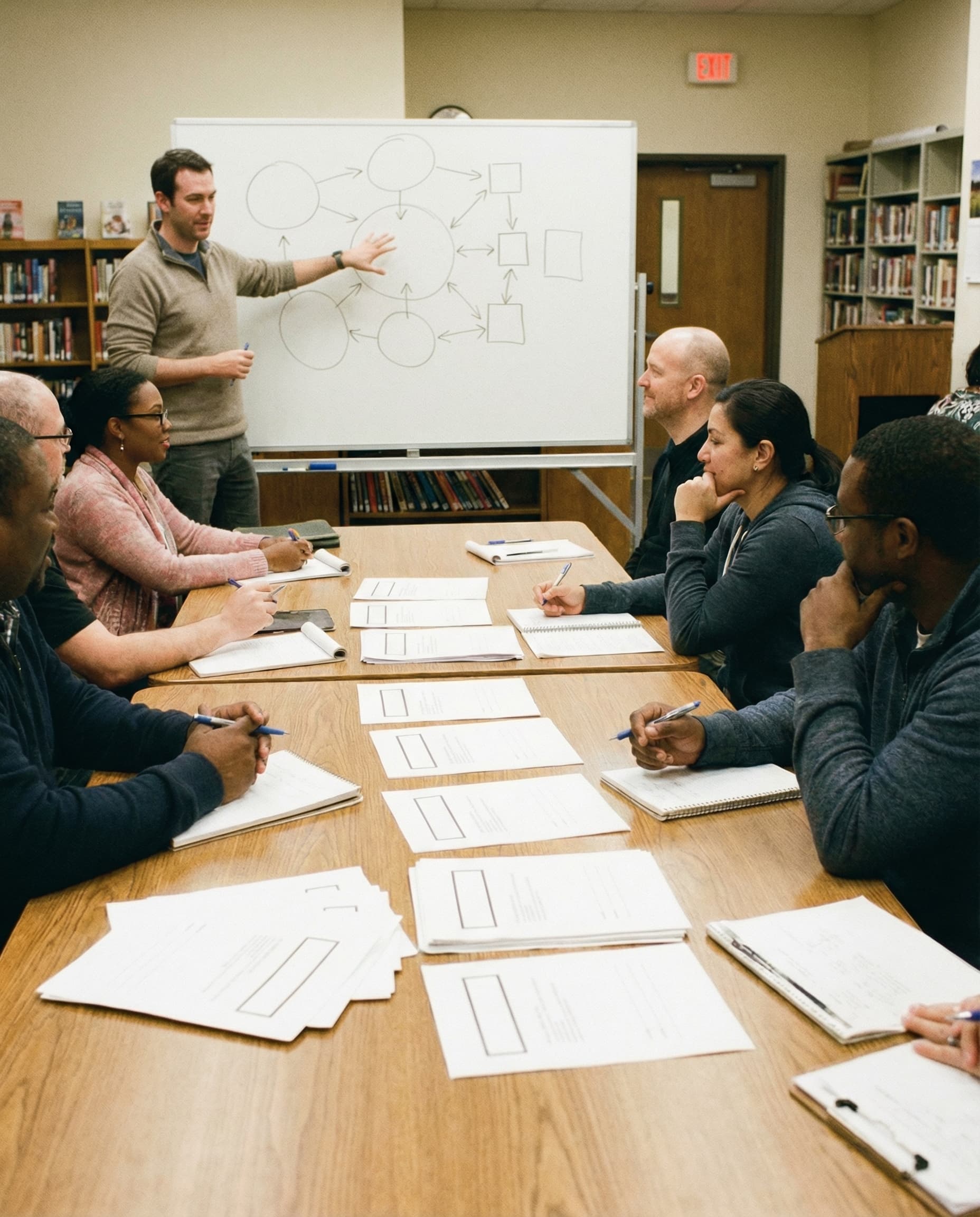
Education campaigns inform communities with clear, trustworthy information and repeated engagement. They work best when designed around specific barriers and paired with a concrete action path.
Timeline
Driven by audience size, channel mix, and how quickly norms or behaviors can change.
How it works
- 1Set objectives: define the goal and what behavior or understanding should change.
- 2Research the audience: identify barriers, misconceptions, and trusted messengers.
- 3Develop materials and programming: events, explainers, trainings, and community outreach.
- 4Deliver repeatedly: sustain exposure across channels and time.
- 5Evaluate and refine: collect feedback and iterate toward what works.
Why does this matter?
CrowdFlow routes funds through the legal entity required for the tactic you choose.
Typical legal entity: Tax-Deductible Nonprofit — 501(c)(3).
A 501(c)(3) nonprofit. Your donation is tax-deductible and goes directly to the organization.
On strategy pages, you'll also see the specific partner and entity before you commit votes. Learn more in FAQs.
Field Testing
Test products and environments, publish data, and hold polluters accountable.
Field testing gathers real-world measurements to answer what’s happening in a product, place, or environment. Partners collect samples or run audits, interpret results, and publish findings communities and decision-makers can act on.
Timeline
Driven by access, sampling windows, lab turnaround, and follow-up testing needs.
How it works
- 1Define the target and question: product, site, water/air/soil, facility, or exposure pathway.
- 2Design the protocol: methods, sampling plan, standards, and data quality controls.
- 3Collect and analyze: field sampling or audits, lab processing, validation, and interpretation.
- 4Publish and escalate: release results with context and route into remediation, enforcement, litigation, or policy.
- 5Retest and track: measure change over time to verify improvements or ongoing harm.