
Advocate tweaks to ensure the lowest-income workers benefit.
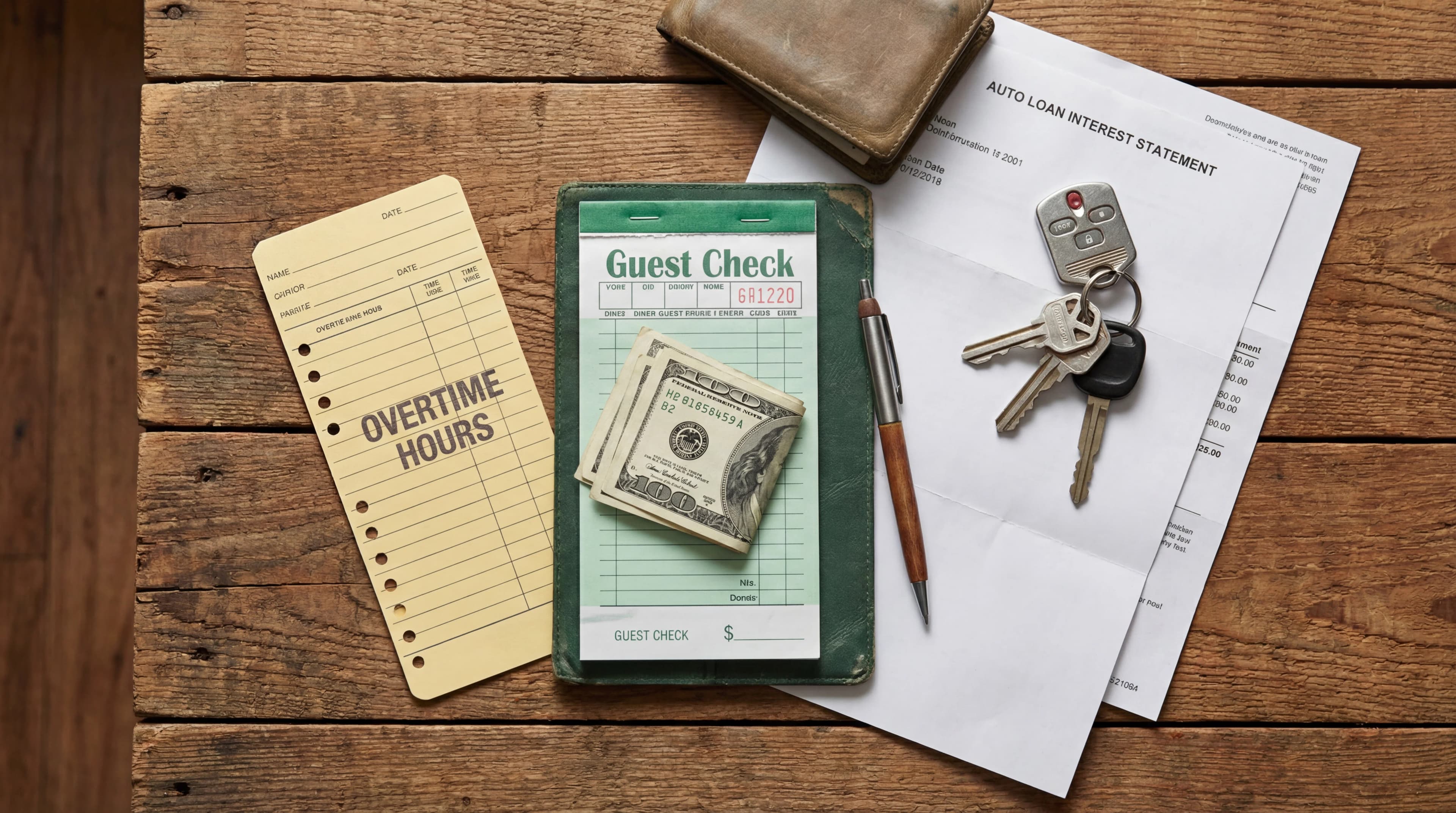
Fix the distribution gaps highlighted in this cause: deductions can leave very low-income workers with little or no benefit. Advocate narrowly scoped tweaks—like making a portion refundable as a credit, or adjusting eligibility rules—so the policy better reaches the workers it’s meant to help. Keep the proposal politically survivable by pairing equity goals with clear implementation rules and a realistic cost conversation.
Why this works
- Makes the policy more equitable and garners support from anti-poverty groups.
- Also, converting to credits in future could simplify things (employers could even adjust withholding so workers get the benefit per paycheck).
League of Women Voters
AdvocacyEmpowering voters and defending democracy
Mechanism
About LobbyingHow League of Women Voters uses funding
- Define the objective and the specific provision changes to pursue (credit design, refundability, and eligibility).
- Build the case using the analyses and trade-offs already cited in this cause.
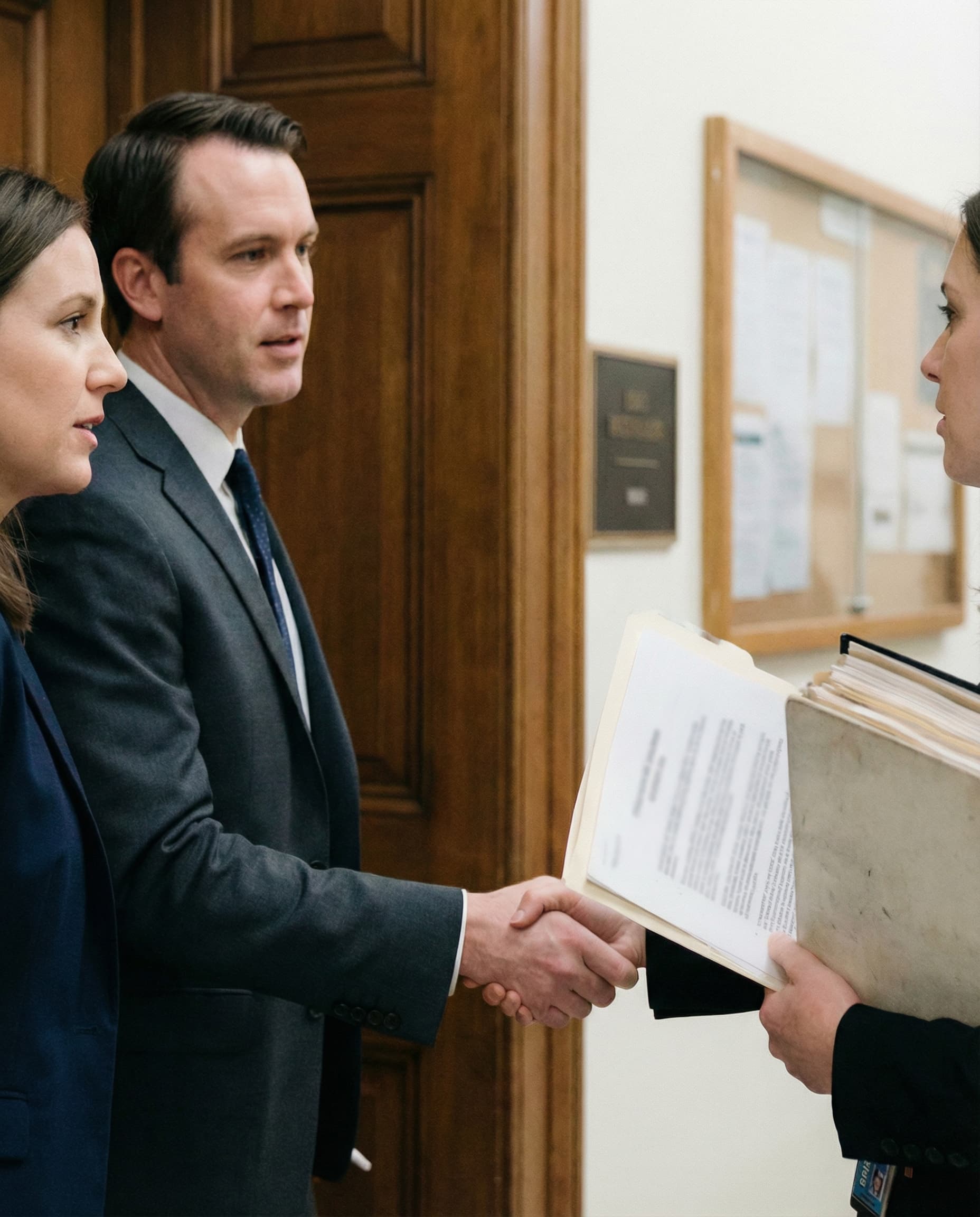
- Engage lawmakers and staff with briefings and draft language focused on who benefits and why.
- Track and respond to budget scoring and negotiations; adjust to keep the proposal viable.
- Close the loop with plain-language explanation of how changes would be claimed and reported.
Milestones
Checkpoints and the expected timing for each step
- 1
Gap analysis + fix shortlist
0–30 daysA targeted set of changes is defined with clear goals and constraints.
- 2
Draft language and review
1–3 monthsDraft text is reviewed for budget, implementation, and abuse risks.
- 3
Coalition and sponsor outreach
3–6 monthsSupport and concerns are mapped and revisions are made to keep the proposal viable.
- 4
Vehicle attempt
OngoingThe proposal is positioned for a realistic legislative opportunity as it emerges.