
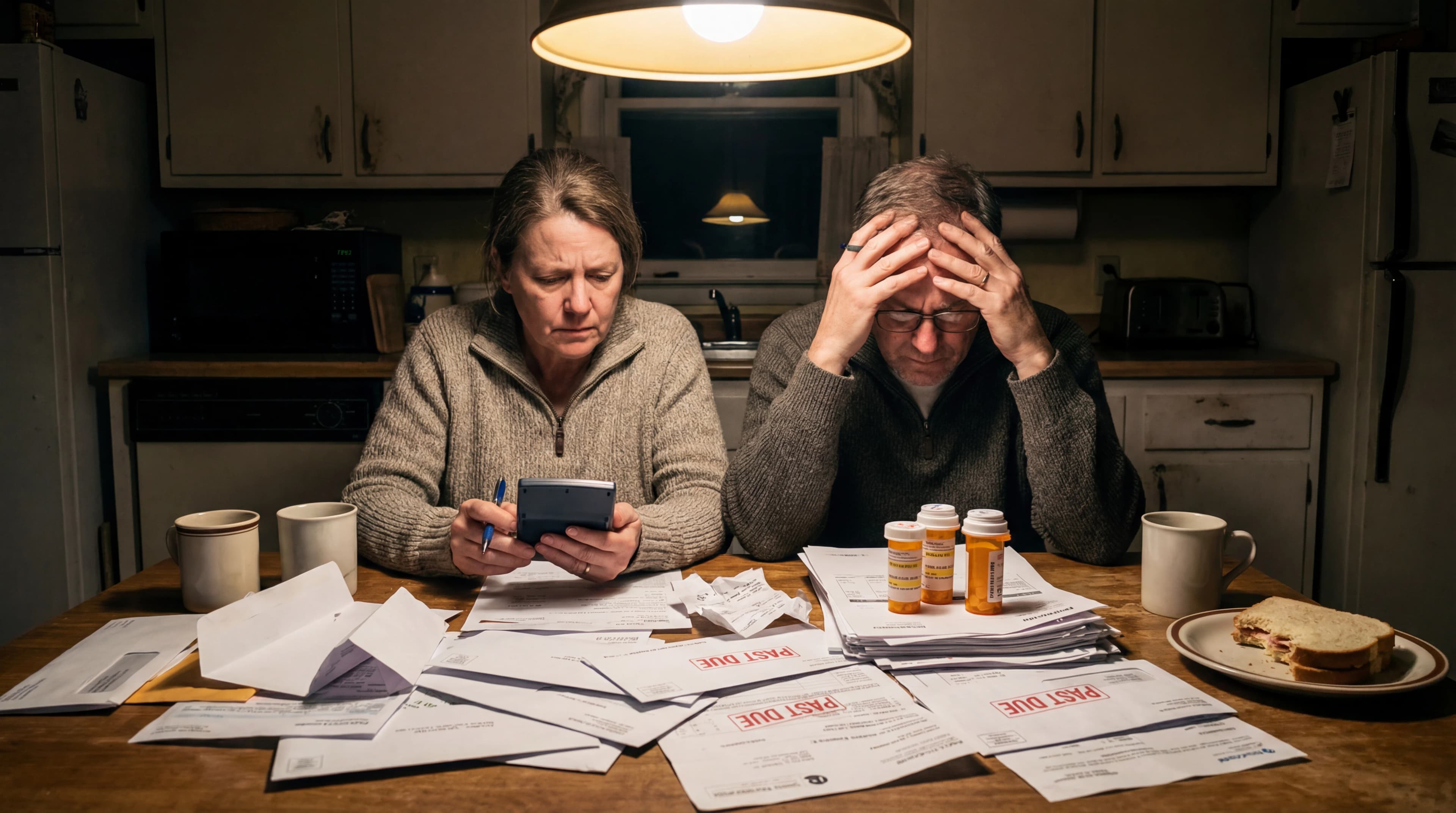

Support lawsuits and state attorney-general actions to challenge price gouging and anti-competitive behavior.
Use carefully selected lawsuits and state attorney-general actions to challenge price gouging, price-fixing, and anti-competitive conduct that drives high bills. Focus on cases with clear standing and remedies that can change behavior, not just create headlines. Treat litigation as a complementary enforcement track that can produce accountability while legislative and regulatory routes move.
Why this works
- Litigation can yield settlements or judgments that directly lower costs or punish bad actors.
- It also raises public awareness (e.g., exposing drug company collusion).
- States have been called the “laboratories” for health reforms – some have pursued legal action to enforce price transparency or limit hospital monopolies.
Center for Food Safety
Tax-deductiblePublic-interest advocacy using litigation, policy, and grassroots action to protect health and the environment from industrial agriculture.
Mechanism
About LitigationHow Center for Food Safety uses funding
- Screen cases for standing, venue, and a clear legal theory tied to a realistic remedy.
- Select plaintiffs and claims; coordinate with state AGs and consumer partners as appropriate.
- Build the record through evidence, briefs, motions, and expert support when needed.
- Seek interim relief when necessary and pursue settlement or ruling.
- Enforce outcomes with compliance monitoring and follow-on actions.
Milestones
Checkpoints and the expected timing for each step
- 1
Case screening criteria set
0–30 daysStanding, venue, remedy, and downside-risk standards are defined for partners.
- 2
Pipeline activated
1–3 monthsPriority matters move from intake to filing-ready posture.
- 3
Motions and early outcomes pursued
3–12 monthsHearings, injunction requests, settlements, or rulings advance toward enforceable remedies.
- 4
Enforcement and appeals tracked
OngoingCompliance steps and major legal milestones are monitored and communicated.