
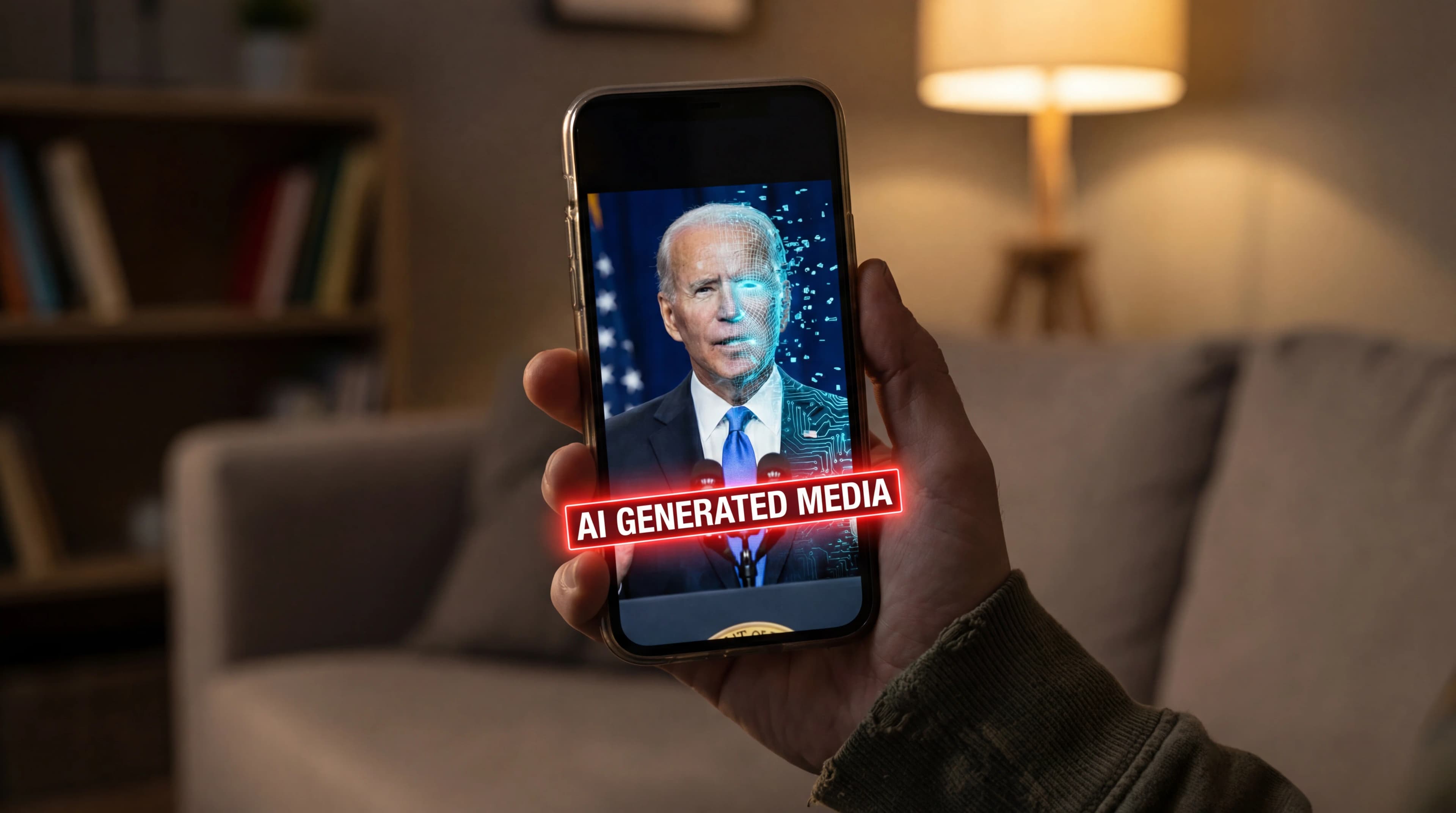
Pass strong state laws across as many states as possible to regulate AI political content.
Run a coordinated, multi-state policy campaign to pass enforceable rules for AI-generated election media while states are already moving faster than Congress. Use model language to narrow definitions, protect satire and parody, and create a realistic enforcement path—so laws survive free speech challenges and reduce the worst patchwork effects. Treat state wins as a baseline that shifts behavior for campaigns and platforms.
Why this works
- This approach leverages the current bipartisan consensus at state levels.
- Many state legislatures can move faster than Congress; by mounting a coordinated campaign (through groups like National Conference of State Legislatures sharing model bills), we can achieve coverage of a large portion of the population.
- State laws tailored to local election contexts can be more precise and experimentally varied – we learn what works best.
- If enough big states act (e.g.
- California, Texas, Florida, New York), it effectively creates a national norm (since political campaigns and platforms won’t produce content that violates major states’ laws).
Common Cause
AdvocacyBuilding a stronger democracy and accountable government
Mechanism
About LobbyingHow Common Cause uses funding
- Define the legislative objective and minimum requirements (disclosure, penalties for knowing deception, carve-outs for satire/parody, and an enforcement path).
- Draft and circulate model language to reduce variation across states.
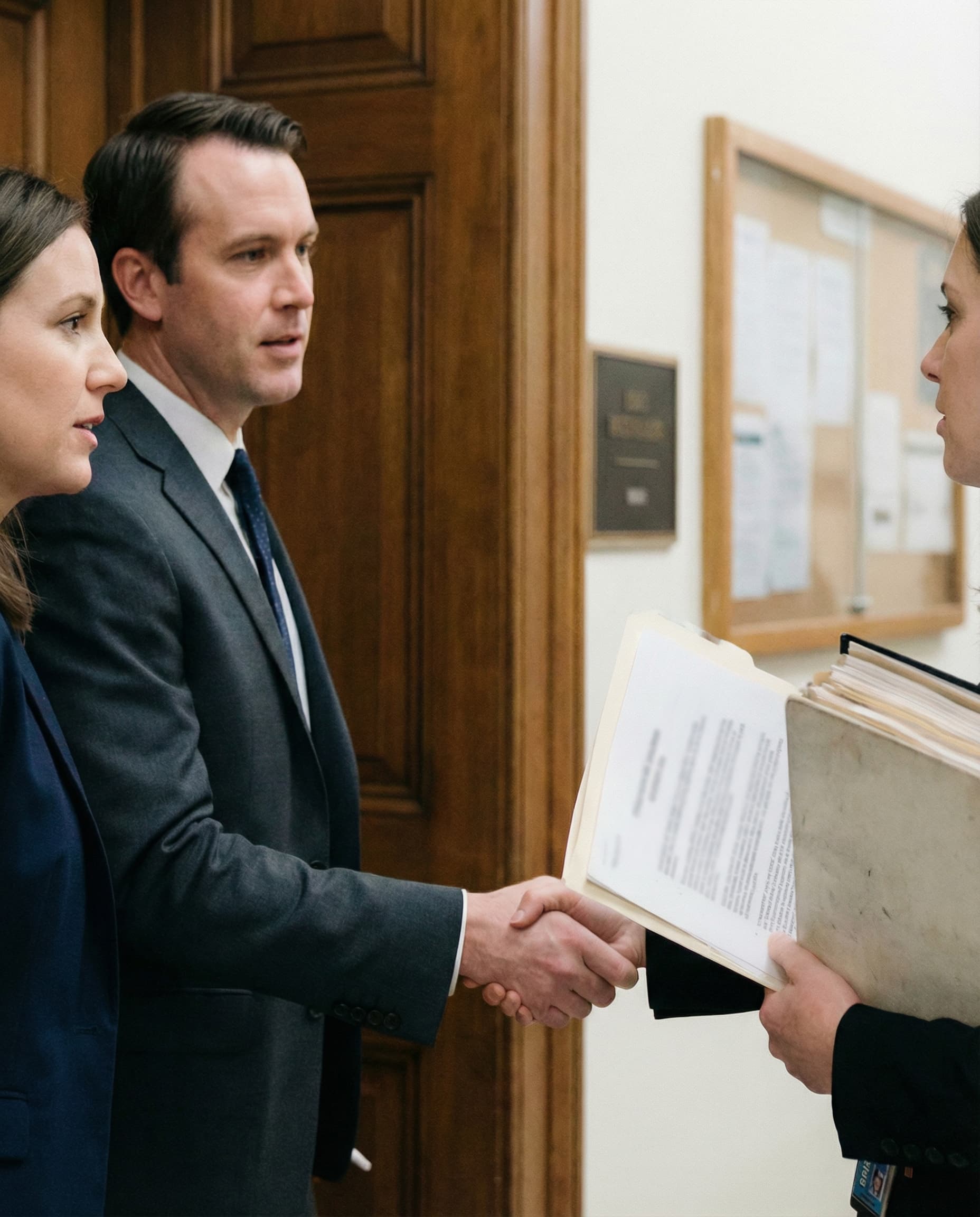
- Build a coalition and brief lawmakers and staff with clear scenarios and free speech guardrails.
- Track committee movement and amendments; coordinate pressure when decision windows open.
- Close the loop with implementation guidance for election offices and the public.
Milestones
Checkpoints and the expected timing for each step
- 1
Model language + checklist published
0–30 daysState partners have draft language, talking points, and an implementation guide.
- 2
Target-state introductions underway
1–3 monthsBills are introduced or amended using the model definitions and carve-outs.
- 3
Committee and floor windows executed
3–6 monthsTestimony, coalition outreach, and amendments align to vote timing.
- 4
Enforcement and rollout guidance adopted
OngoingElection offices and AGs have usable guidance for labeling, complaints, and rapid response.