

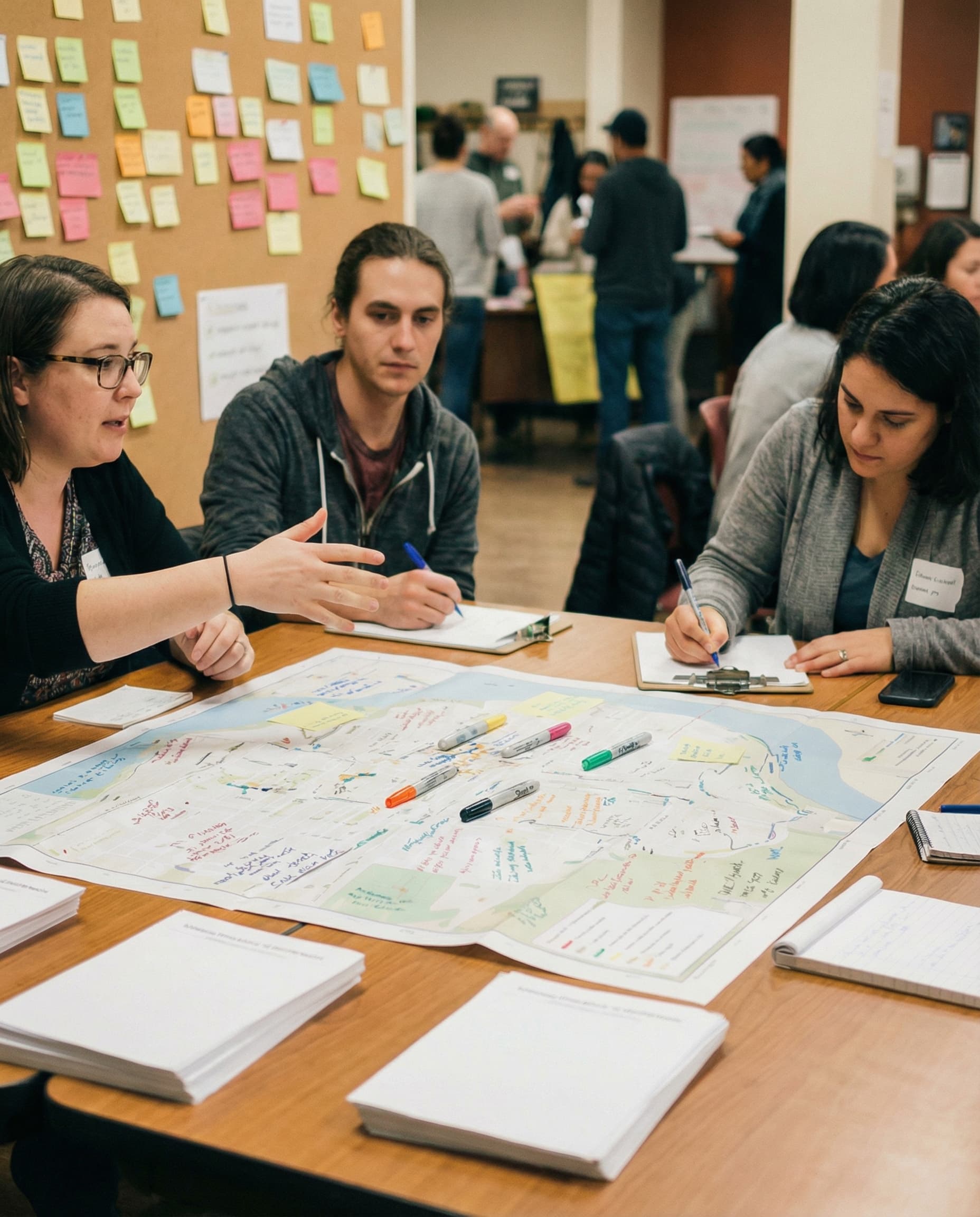
Encourage bottom-up progress: community solar programs, city climate emergency declarations and policies (like LA’s fossil-free buildings ordinance), youth-led initiatives, and divestment from fossil fuels.
Encourage bottom-up progress: community solar programs, city climate emergency declarations and policies (like LA’s fossil-free buildings ordinance), youth-led initiatives planting trees or promoting transit. Promote divestment from fossil fuels by universities and pension funds.
Why this works
- Demonstrates demand and creates facts on the ground (every EV bought and coal plant closed counts); maintains momentum even when federal action stalls.
League of Conservation Voters
AdvocacyElecting environmental champions and advocating for climate action
The League of Conservation Voters (LCV) is a prominent environmental advocacy and political organization founded in 1969. LCV works to turn environmental values into national priorities by influencing elections and policy: it publishes the National Environmental Scorecard rating lawmakers’ votes, lobbies for strong environmental protections, and through its affiliated PACs supports pro-environment candidates. LCV and its state affiliates mobilize voters, run issue campaigns on climate and conservation, and have helped secure victories such as passing stronger clean air and water laws and defending public lands.
Mechanism
About GrassrootsHow League of Conservation Voters uses funding
- Recruit and support local leaders to pursue specific, winnable policies and programs.
- Coordinate actions that build sustained participation rather than one- off moments.
- Build coalitions that connect community benefits to climate outcomes.
- Translate local wins into narrative and pressure that supports state and federal action.
- Track progress and share lessons so approaches replicate across places.
Milestones
Checkpoints and the expected timing for each step
- 1
Local priority actions selected
Near termA clear set of community and city targets is chosen with owners and messaging.
- 2
Participation and coalition base built
Early rolloutTeams and partners sustain an organizing cadence around specific local objectives.
- 3
Local wins secured and replicated
During campaignsPolicies and programs advance and lessons are shared for reuse elsewhere.
- 4
Momentum translated to higher-level pressure
OngoingLocal proof points strengthen state and federal advocacy.