
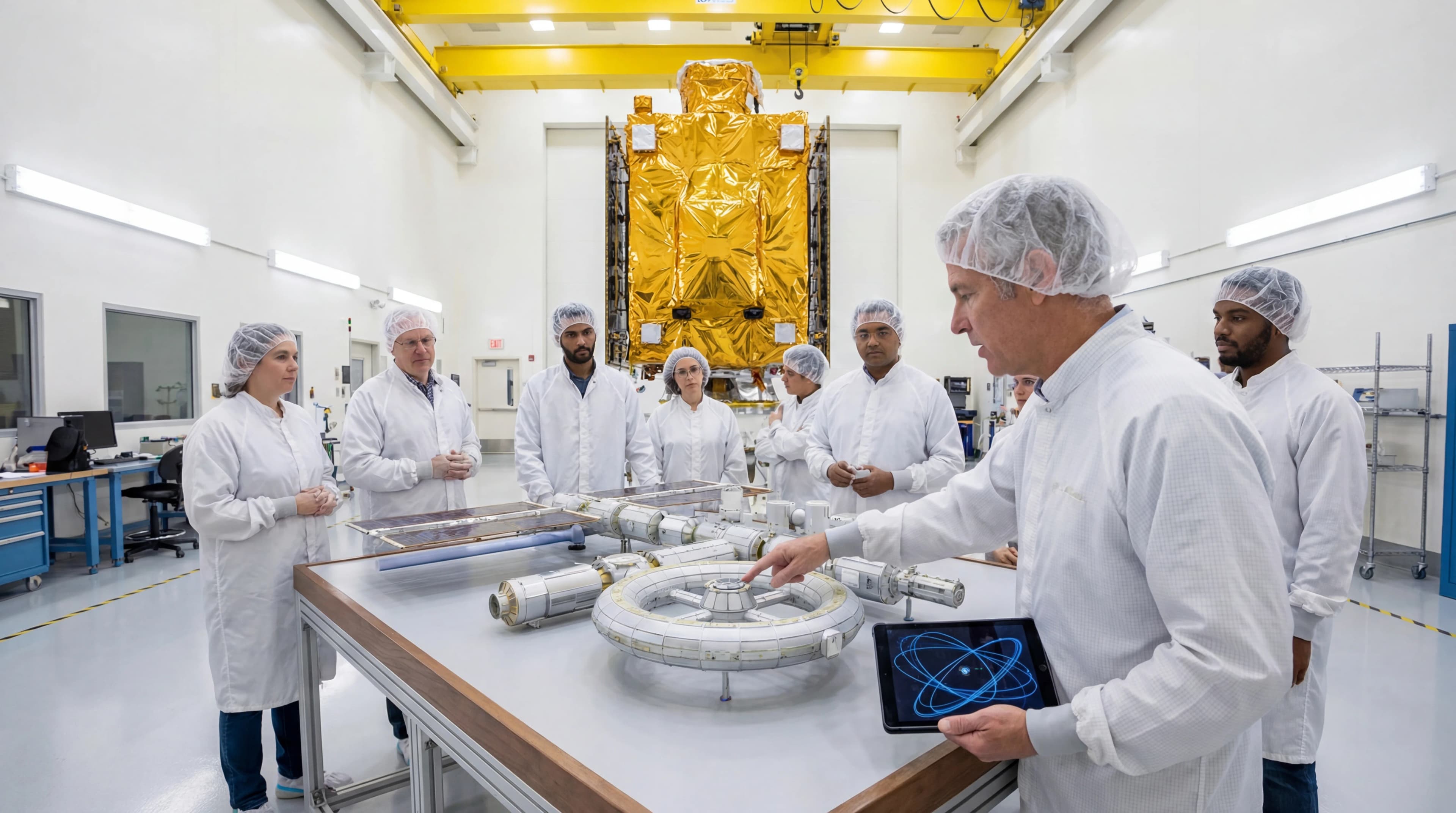

To address budget concerns, propose ramping up the institute in phases: start with a small coordination office (perhaps within NASA) then expand to a full in...
Reduce sticker shock by proposing a phased stand-up: start with a small coordination office (potentially within NASA), then expand to a fuller institute as funding and governance solidify. Use early coordination wins described in the cause materials to demonstrate value and build support for the next phase. Guard against the risk that the initial phase becomes a permanent ceiling.
Why this works
- Easier sell fiscally (“start small”) and can demonstrate value early by coordinating some experiments on existing flights (like suborbital or small satellites) while bigger infrastructure comes online.
Tech Oversight Project
AdvocacyHolding Big Tech accountable through policy and pressure
The Tech Oversight Project is a tech policy advocacy organization launched in 2022 to push for aggressive government action against Big Tech monopolies:. It is the only watchdog focused solely on advancing antitrust legislation and regulatory scrutiny of companies like Amazon, Google, Meta, and Apple. The Tech Oversight Project uses campaign-style tactics — rapid response communications, opposition research, and media outreach — to counter Big Tech’s lobbying and rally support for reforms that protect consumers, privacy, and competition:.
Mechanism
About LobbyingHow Tech Oversight Project uses funding
- Define phase 1 scope and deliverables for a coordination office.
- Identify early, visible coordination wins using existing flights and research opportunities referenced in the cause materials.
- Publish a roadmap from phase 1 to phase 2 with clear triggers and governance decisions.
- Align the phased plan with Space RACE Act language and funding steps.
- Communicate the fiscal rationale of starting small while preserving a path to scale.
Milestones
Checkpoints and the expected timing for each step
- 1
Phase plan drafted
Near termPhase 1 scope and phase 2 triggers are defined.
- 2
Phase 1 office launched
Near termCoordination body is staffed and operating.
- 3
Early coordination wins delivered
Before major transition momentsPlans and early projects are documented publicly.
- 4
Scale decision executed
After early winsFunding and governance steps advance for phase 2.