
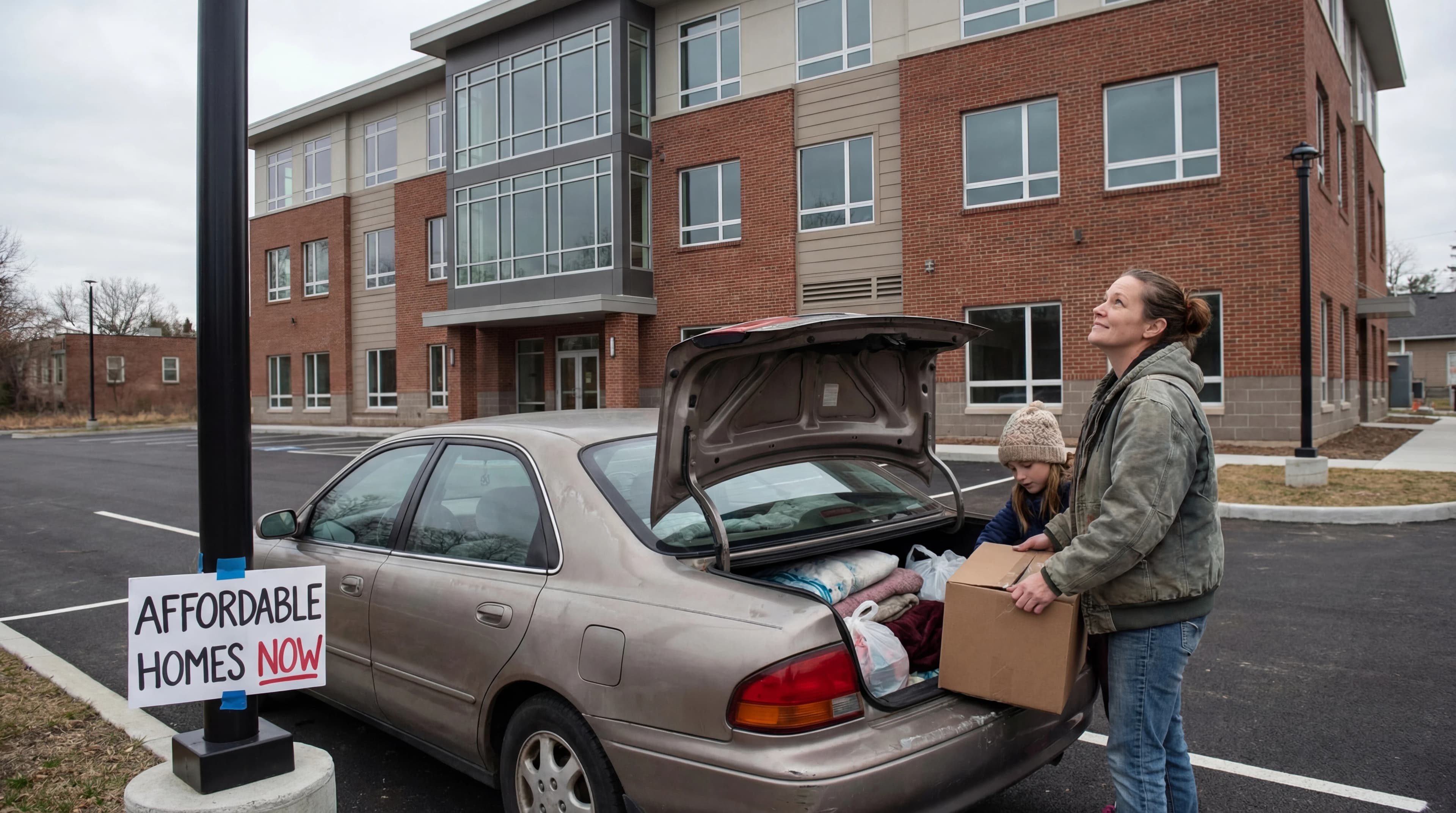

Use courts to enforce the right to housing or force policy change.
Bring strategic cases that challenge policies that criminalize homelessness without shelter options and that reinforce exclusionary zoning. Focus on strong plaintiffs, clear legal theories, and remedies that require governments to change practices, not just defend lawsuits. Use litigation as leverage alongside policy work so legal wins translate into real on-the-ground change.
Why this works
- Court rulings can mandate reluctant cities to provide a minimum shelter or change discriminatory land use practices.
- A legal win can set a precedent nationwide.
National Low Income Housing Coalition
Tax-deductibleLeading the movement for affordable homes for all
Mechanism
About LitigationHow National Low Income Housing Coalition uses funding
- Identify plaintiffs and facts that show concrete harm and support standing.
- Select the strongest legal claims and define the remedy sought.
- Build the record with evidence, briefs, and expert support.
- Prepare for appeals and enforcement so wins do not stay on paper.
- Track compliance after rulings or settlements until the remedy is implemented.
Milestones
Checkpoints and the expected timing for each step
- 1
Case theory and plaintiffs finalized
Pre-filingPlaintiffs, venue, and remedy are locked with a clear litigation memo.
- 2
Filing and early motions completed
Early litigationComplaint is filed and key motions are briefed without major procedural setbacks.
- 3
Record built and decision reached
Merits phaseEvidence and briefs establish a strong record and the court issues a substantive ruling or settlement.
- 4
Remedy enforced
Post-decisionCompliance steps are tracked and documented until the remedy is implemented.