
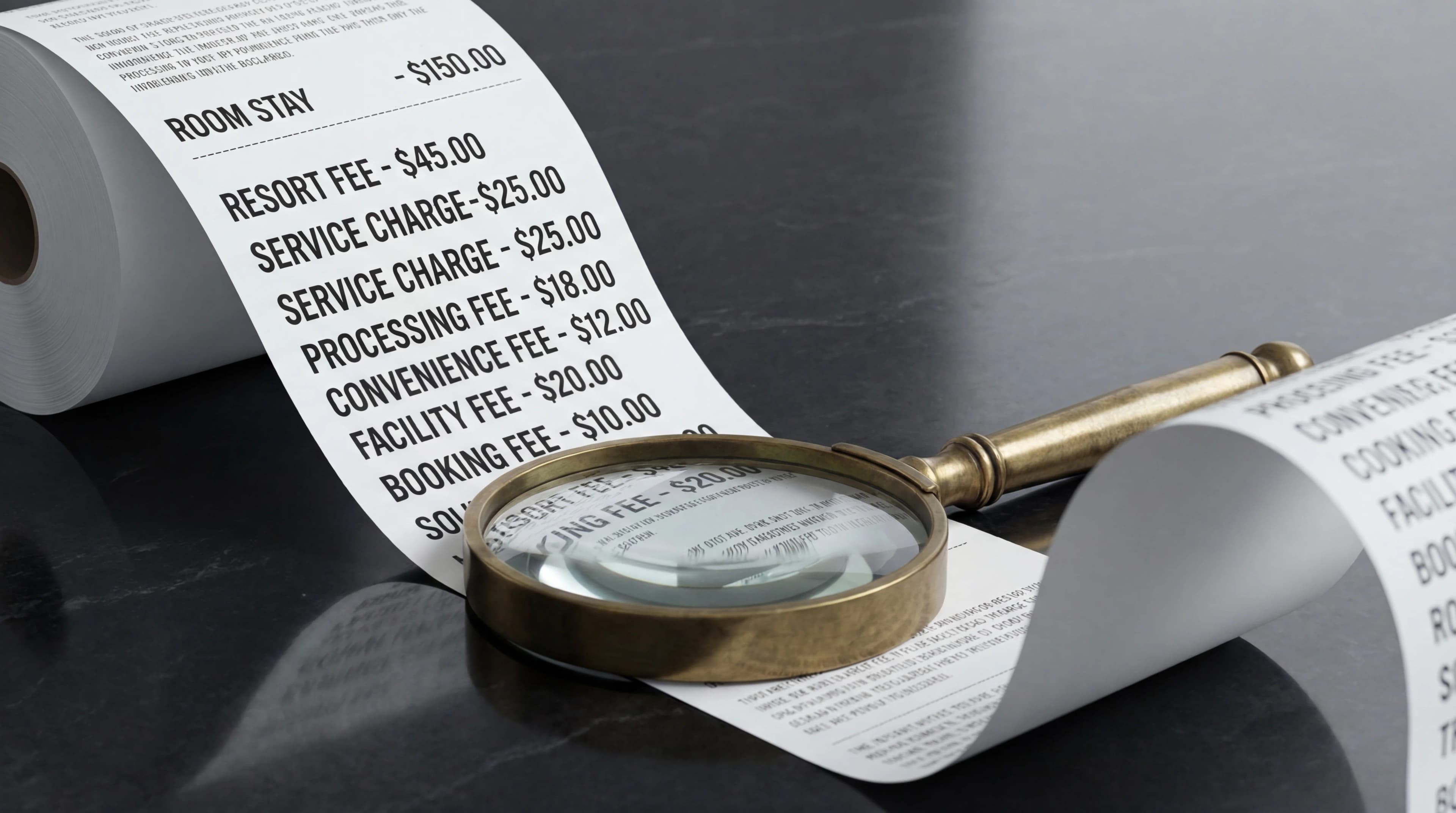
Push Congress to pass discrete laws banning the worst fees and mandating all-in pricing, if possible.
Codify all‑in pricing and targeted fee bans in statute so reforms are less vulnerable to shifting agency authority and court challenges. This strategy focuses on moving narrow, winnable legislative provisions (or attaching them to larger vehicles) while defending against loopholes that preserve the same hidden-fee incentives. The goal is a durable legal baseline that complements and backstops agency rules.
Why this works
- Enshrining these changes in law would largely immunize them from court challenges about agency authority.
- Even a divided Congress might agree on some narrow items: e.g.
- a law banning hotel resort fees unless explicitly advertised, or requiring ticket sellers to show full price (the TICKET Act passed Senate Commerce Committee in 2023 on voice vote).
- The Junk Fee Prevention Act as a whole might be ambitious, but perhaps its parts can hitch rides on must-pass bills (for instance, a bipartisan amendment on ticket fee transparency could be attached to a year-end omnibus, as happened with prior consumer measures).
- There’s evidence of bipartisan interest: Senators Moran (R) and Blumenthal (D) introduced the Senate’s seating fee ban, etc.
- If even a few of these get through, it sets precedent and covers areas that might not fall under FTC’s rule (like airlines – which are exempt from FTC).
Public Citizen
AdvocacyChampioning consumer rights and accountable government
Mechanism
About LobbyingHow Public Citizen uses funding
- Define the specific legislative target and the worst fee practices to ban or constrain.
- Draft and refine language that requires total pricing and closes common loopholes.
- Build a cross-partisan coalition and use polling and consumer evidence to sustain pressure.
- Engage decision-makers through meetings, testimony, and targeted outreach tied to committee calendars.
- Track amendments and negotiations and respond quickly when carve-outs appear.
- Close the loop with an outcome readout and an implementation checklist.
Milestones
Checkpoints and the expected timing for each step
- 1
Target provisions + draft language finalized
0–30 daysCoalition agrees on minimum standards and a legislative vehicle strategy.
- 2
Sponsors and committee path secured
This sessionKey offices commit to hearings, markups, or amendment opportunities.
- 3
Floor or vehicle attachment achieved
During considerationA vote path exists via standalone action or a must‑pass vehicle.
- 4
Passage + implementation checklist published
After a voteFinal language is summarized and enforcement expectations are clear.