

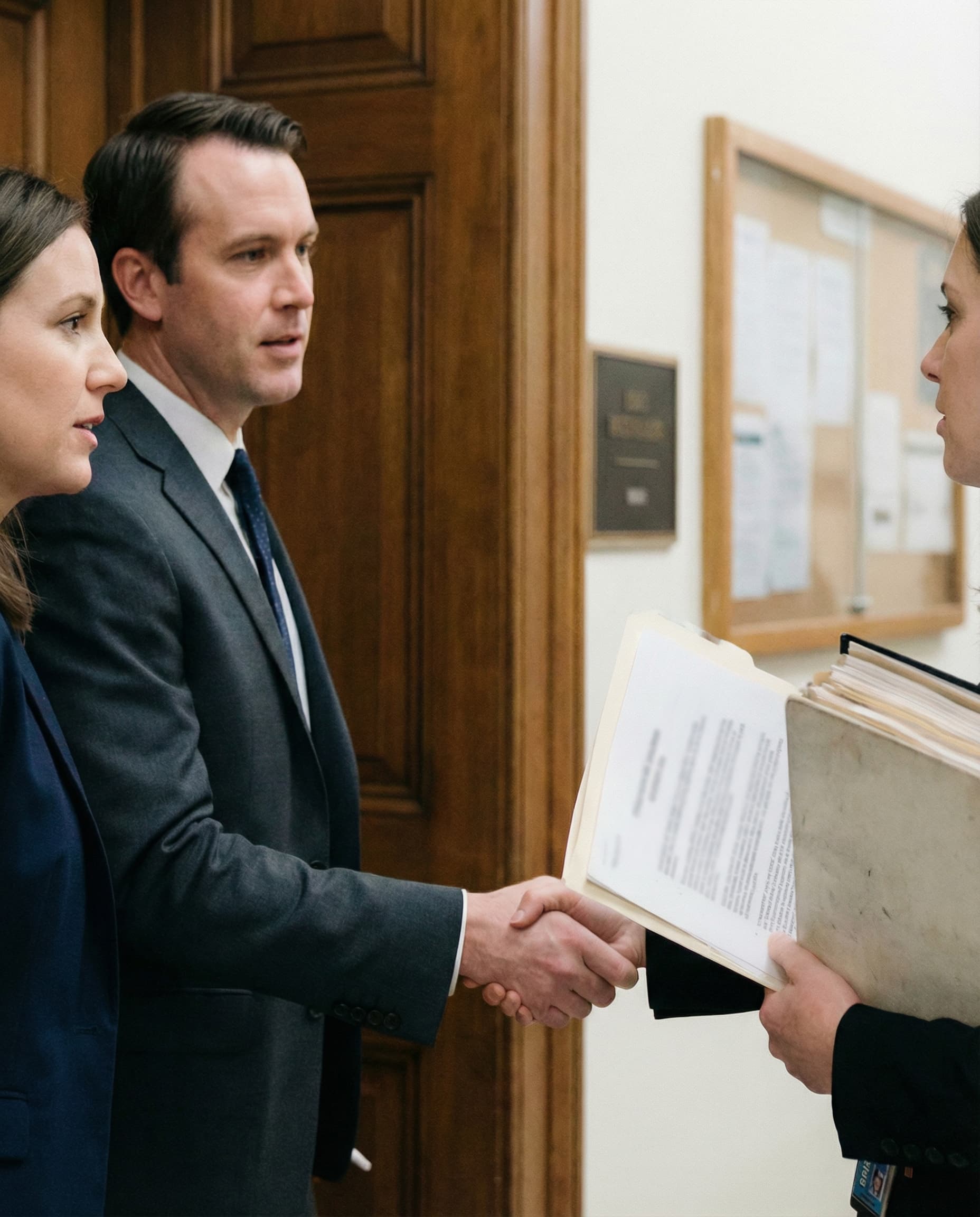
Work closely with the Department of Education and state officials during rule implementation.
Shape Workforce Pell implementation while the Department of Education finalizes rules and states build program designation processes. Provide practical input that keeps eligibility and reporting student-centered, including workable paths for noncredit programs. The window is now because final rules are expected before July 2026, and early design choices will determine whether schools can launch on time.
Why this works
- Ensures the final regulations remain student-centered (e.g.
- not overly restrictive) and that states promptly designate programs for eligibility.
- Collaboration can iron out kinks (like how to handle noncredit programs in Pell systems).
National Committee to Preserve Social Security and Medicare
AdvocacyProtecting and enhancing retirement and health security for seniors
Mechanism
About LobbyingHow National Committee to Preserve Social Security and Medicare uses funding
- Track negotiated rulemaking outputs and draft practical recommendations on eligibility, reporting, and noncredit handling
- Meet with the Department of Education and state officials to surface rollout risks and propose fixes
- Submit comments and technical memos during rule finalization
- Help states design fast, transparent program designation processes that still screen for quality
- Coordinate with colleges and workforce systems to align existing short-term aid programs with Workforce Pell
- Provide implementation toolkits so schools can prepare systems before launch
Milestones
Checkpoints and the expected timing for each step
- 1
Compile implementation issues and fixes
Near-termA shared list of issues is agreed with federal and state counterparts
- 2
Submit formal input during rule finalization
Before July 2026Technical comments are submitted and reflected in draft language
- 3
Prepare state designation playbooks
Before July 2026States have clear processes to designate eligible programs without long delays
- 4
Support school readiness and systems setup
Before July 2026Schools begin aligning credit and noncredit systems for Pell administration
- 5
Stand up early rollout support
Mid-2026Approved short programs are ready for students as the rollout begins