

Simultaneously, support Myanmar’s National Unity Government (NUG) and ethnic resistance as legitimate representatives.
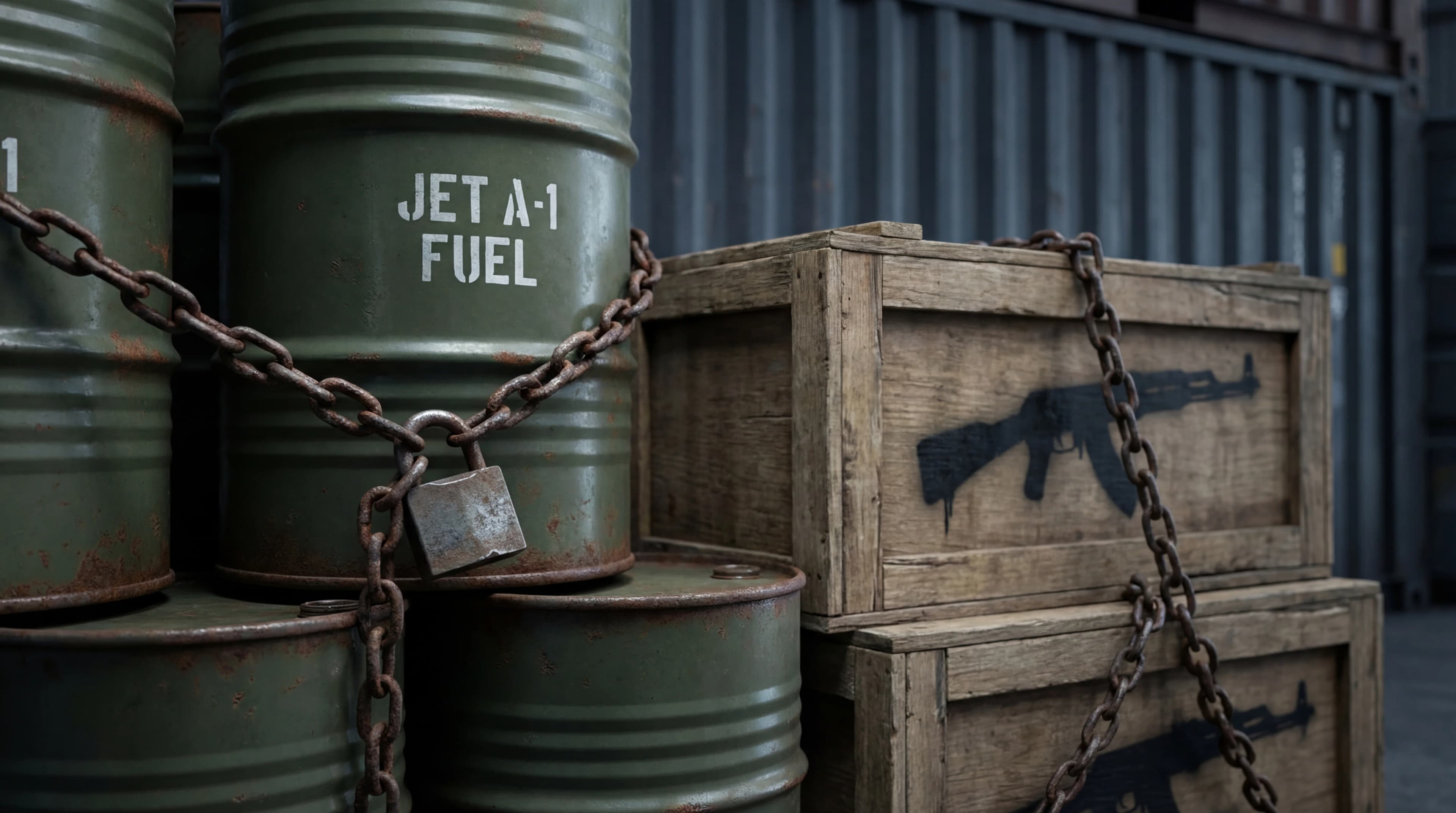
Strengthen the case for an embargo by documenting how imported weapons and aviation fuel enable attacks on civilians and by elevating credible democratic representatives. Produce evidence that links specific weapons and suppliers to abuses, and use that record to pressure governments that are wavering. This research-heavy path feeds the diplomatic and coalition strategies with proof and moral clarity.
Why this works
- Maintains moral clarity – it’s not a civil war “both sides” situation, but a junta attacking its people.
- Showing evidence that specific weapons from specific countries were used in war crimes (like fragments of a Russian bomb at a massacre site) can shame those countries domestically.
U.S. Campaign for Burma
Tax-deductibleAdvocating for freedom and human rights in Myanmar (Burma)
Mechanism
About ResearchHow U.S. Campaign for Burma uses funding
- Collect and synthesize credible documentation of abuses linked to imported weapons and air power
- Trace fragments and supply chains where possible to connect equipment to originating countries
- Publish reports and briefings that policymakers and advocates can use in diplomacy and sanctions design
- Coordinate with human-rights groups to keep evidence visible and timely
- Support engagement with democratic representatives like the NUG to clarify who the embargo is meant to constrain
- Maintain a sustained pipeline of updates so pressure does not fade
Milestones
Checkpoints and the expected timing for each step
- 1
Define evidence priorities tied to embargo needs
Near-termA clear set of evidence priorities is agreed for what will move policy
- 2
Publish a first evidence briefing
Near-termBriefing is used by advocates and referenced in diplomatic engagement
- 3
Trace specific equipment and supply chains
Mid-termDocumentation links equipment to likely sources and routes
- 4
Use evidence to drive policy alignment
Mid-termEvidence is cited in calls for embargo, aviation fuel restrictions, or sanctions
- 5
Maintain a sustained documentation stream
Longer-termUpdated findings keep pressure on and inform enforcement actions