

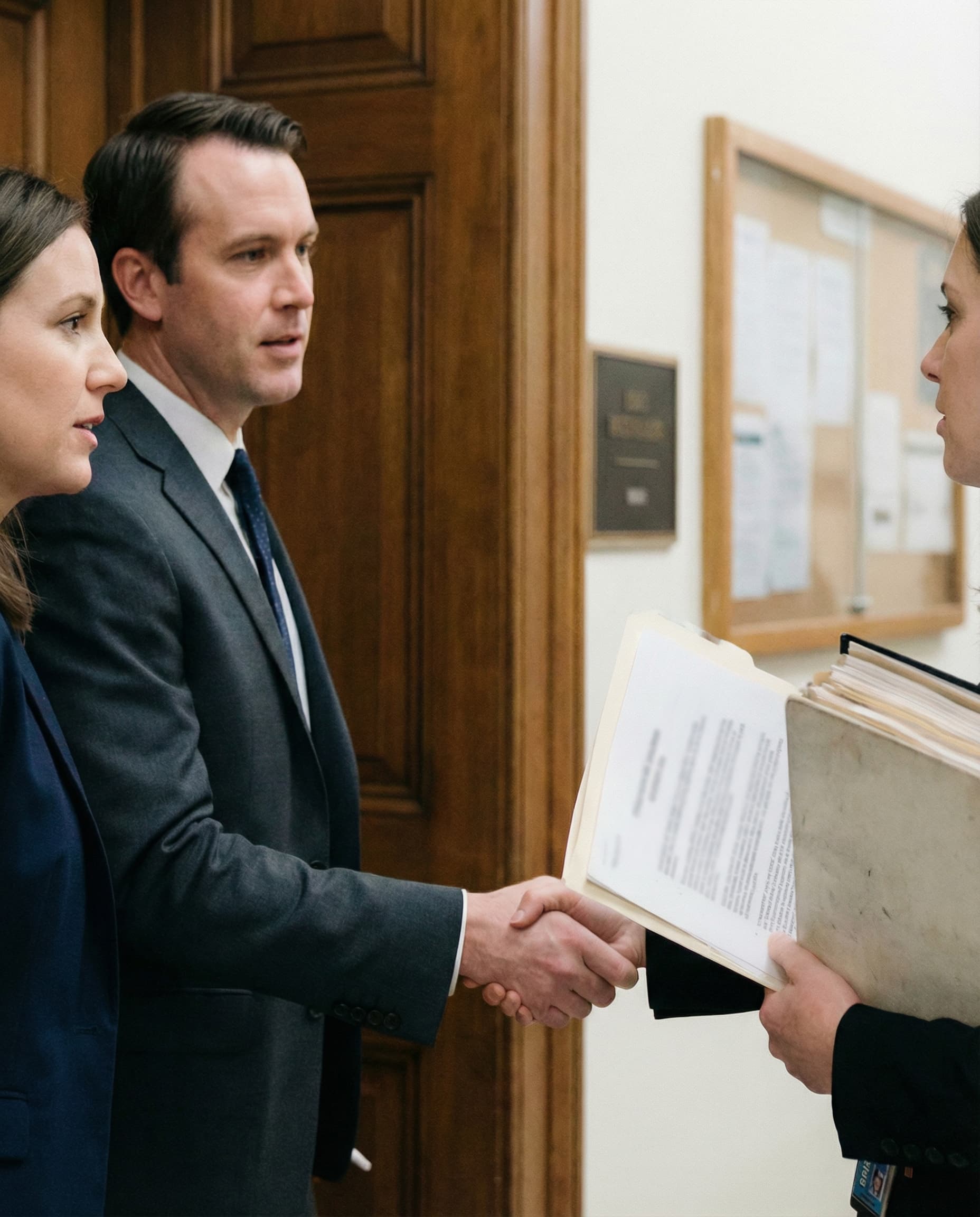
Work with agencies to tweak rules within existing law.
Work with BLM and EPA to make near-term improvements within existing statutes, such as clearer geothermal permitting guidance and streamlined handling of used EV batteries under RCRA. Use agency workgroups and rulemaking to reduce delays, clarify responsibilities, and create safer, more predictable battery collection and transport. This matters because it can move faster than Congress, even if scope is limited.
Why this works
- Can often be done faster than new laws; doesn’t require Congress.
- Agencies are already moving in this direction (EPA’s workgroup, BLM’s interest in feedback).
Sierra Club
AdvocacyExploring, enjoying, and protecting the planet
Mechanism
About LobbyingHow Sierra Club uses funding
- Identify the most actionable agency levers already in motion at BLM and EPA
- Submit technical input and stakeholder feedback to shape guidance and rulemaking
- Push field-office clarity and capacity steps so geothermal permits move faster
- Advocate for EPA use of RCRA tools to streamline handling of used EV batteries where appropriate
- Coordinate with states and industry so guidance translates into on-the-ground changes
- Monitor implementation and adjust recommendations as administrations change
Milestones
Checkpoints and the expected timing for each step
- 1
Align on priority agency actions
Near-termA short list of BLM and EPA actions is agreed and scoped for feasibility
- 2
Submit technical input to agencies
Near-termComments and recommendations are delivered into active guidance and rule processes
- 3
Publish updated guidance or proposed rules
Mid-termAgencies release clearer processes and expectations for permits and battery handling
- 4
Implement changes in practice
Mid-termField offices and stakeholders begin using the updated guidance consistently
- 5
Review results and identify remaining gaps
Longer-termLessons inform where legislative authority or funding is still required