
Lobby and pass a comprehensive AI regulatory law.
Build and advance a comprehensive AI bill that creates enforceable rules for high-impact systems nationwide. This work focuses on shaping bill language, building a durable coalition, and translating fast-moving AI risks into clear requirements lawmakers can vote on. The urgency is that AI is already affecting decisions about jobs, loans, and policing while the U.S. still lacks one clear set of national rules.
Why this works
- Establishes a uniform, nationwide framework to address AI risks, providing clarity to both companies and the public.
- Can be broad in scope – e.g.
- requiring pre-deployment safety testing, algorithmic transparency, and creating enforcement authority – thus tackling the issue proactively and holistically.
- A law would have binding force and democratic legitimacy, and it can authorize necessary funding for oversight.
Public Citizen
AdvocacyChampioning consumer rights and accountable government
Mechanism
About LobbyingHow Public Citizen uses funding
- Map the active bill landscape and identify the decision points that move a comprehensive framework.
- Draft and negotiate legislative language that can be enforced, not just voluntary promises.
- Build a coalition that includes civil-rights, consumer, and policy voices to keep provisions strong under pressure.
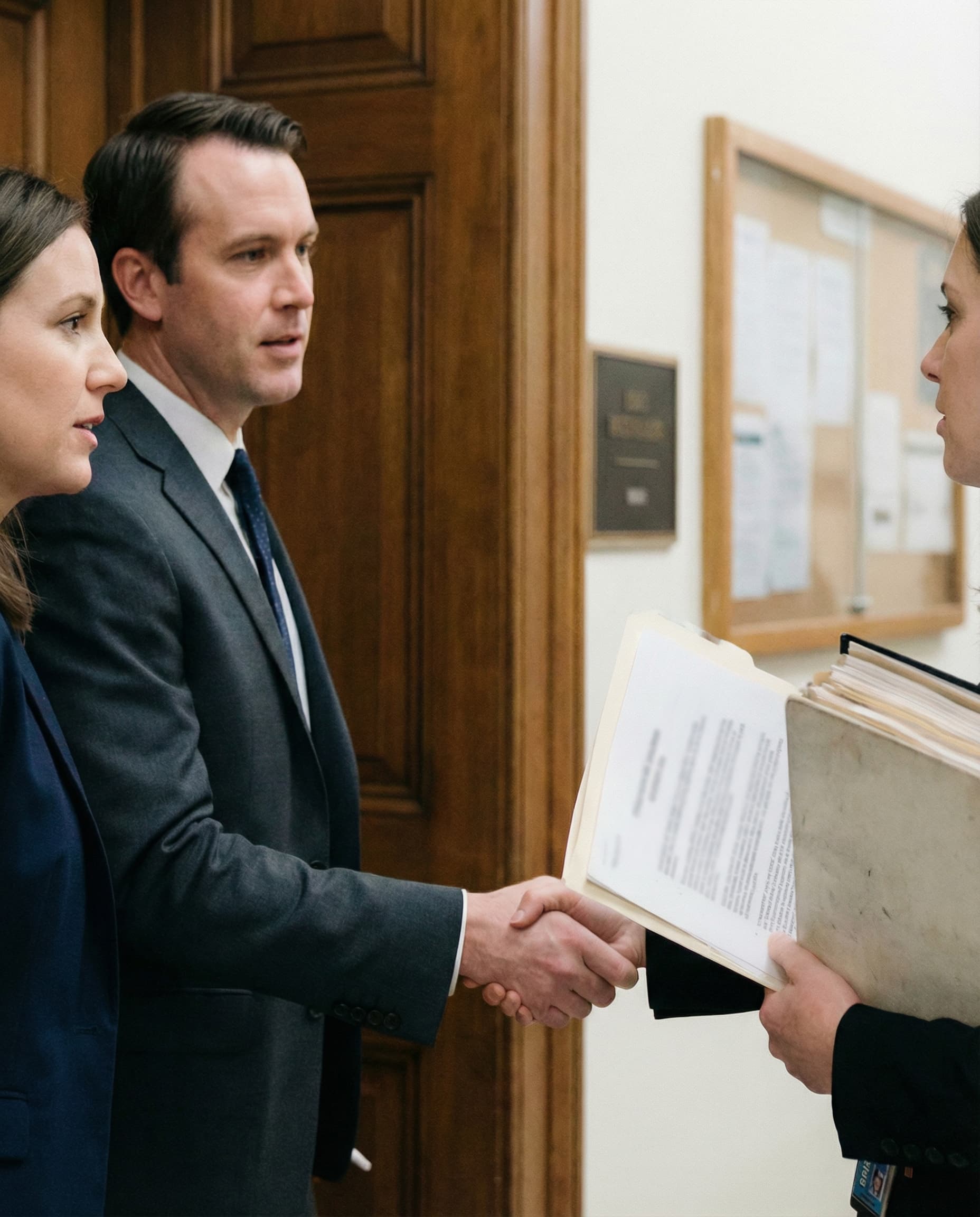
- Brief lawmakers and staff with plain-language explainers that connect risks to concrete safeguards.
- Track and counter last-minute loopholes, including preemption language that could weaken stronger protections.
- Mobilize public support at key moments so votes are backed by visible demand for action.
Milestones
Checkpoints and the expected timing for each step
- 1
Coalition agenda aligned
EarlyShared principles and priorities for a comprehensive AI framework are agreed across partners.
- 2
Enforceable language package drafted
Before key negotiationsDraft text and supporting briefs are ready for legislative use and stakeholder review.
- 3
Committee consideration secured
During committee considerationThe bill receives formal consideration and moves forward with enforcement provisions intact.
- 4
Final provisions locked
Before floor actionThe framework includes transparency, accountability, and protections against weakening stronger state safeguards.
- 5
Passage and implementation runway
At the decision pointA clear pathway exists for adoption and the next steps for oversight and enforcement are defined.