
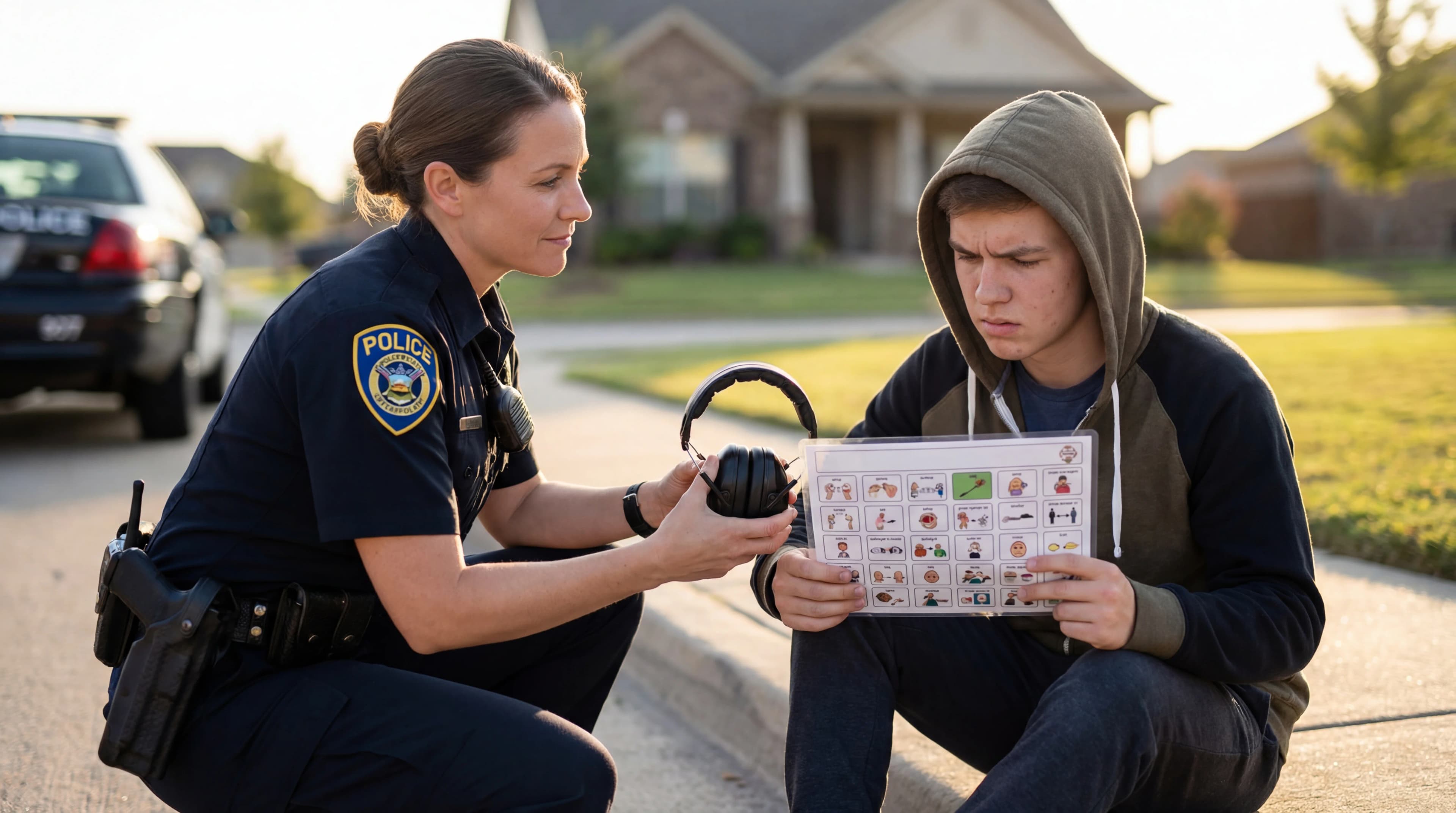

Fund and promote non-police crisis responder teams (mental health professionals dispatched to certain 911 calls).
Fund and scale non-police crisis responder teams for certain 911 calls so people in mental health crises and autistic people get safer, more appropriate response. Pilots demonstrate practical results, reduce the burden on police, and build public confidence in alternatives to the status quo. This strategy works best when coordination with dispatch and responder training is built in from the start.
Why this works
- Reduces burden on police and shows immediate results in safety; popular in polls.

Defend Our Health
Tax-deductiblePublic-health advocacy to protect people from toxic chemical exposures.
Mechanism
About Field TestingHow Defend Our Health uses funding
- Define which call types are appropriate for non-police crisis response and how dispatch routes them.
- Fund pilot teams and protocols that coordinate mental health professionals with existing responders.
- Integrate pilots with 911 systems so handoffs and escalation pathways are clear.
- Track outcomes and feedback so programs can iterate quickly based on what works.
- Publish lessons and playbooks that help other jurisdictions replicate successful models.
- Coordinate pilots with training mandates so responders understand when and how to use alternative pathways.
Milestones
Checkpoints and the expected timing for each step
- 1
Pilot scope and dispatch criteria defined
EarlyCall types, routing rules, and escalation pathways are clearly documented.
- 2
Partner agencies aligned
As launch beginsResponders, mental health partners, and dispatch agree on protocols and responsibilities.
- 3
Pilot launches with training and protocols
At launchTeams operate with clear handoffs and accountability for crisis calls.
- 4
Early outcomes reviewed and iterated
After launchData and feedback drive concrete program adjustments.
- 5
Replication toolkit produced
OngoingA playbook exists for scaling and copying successful models.