

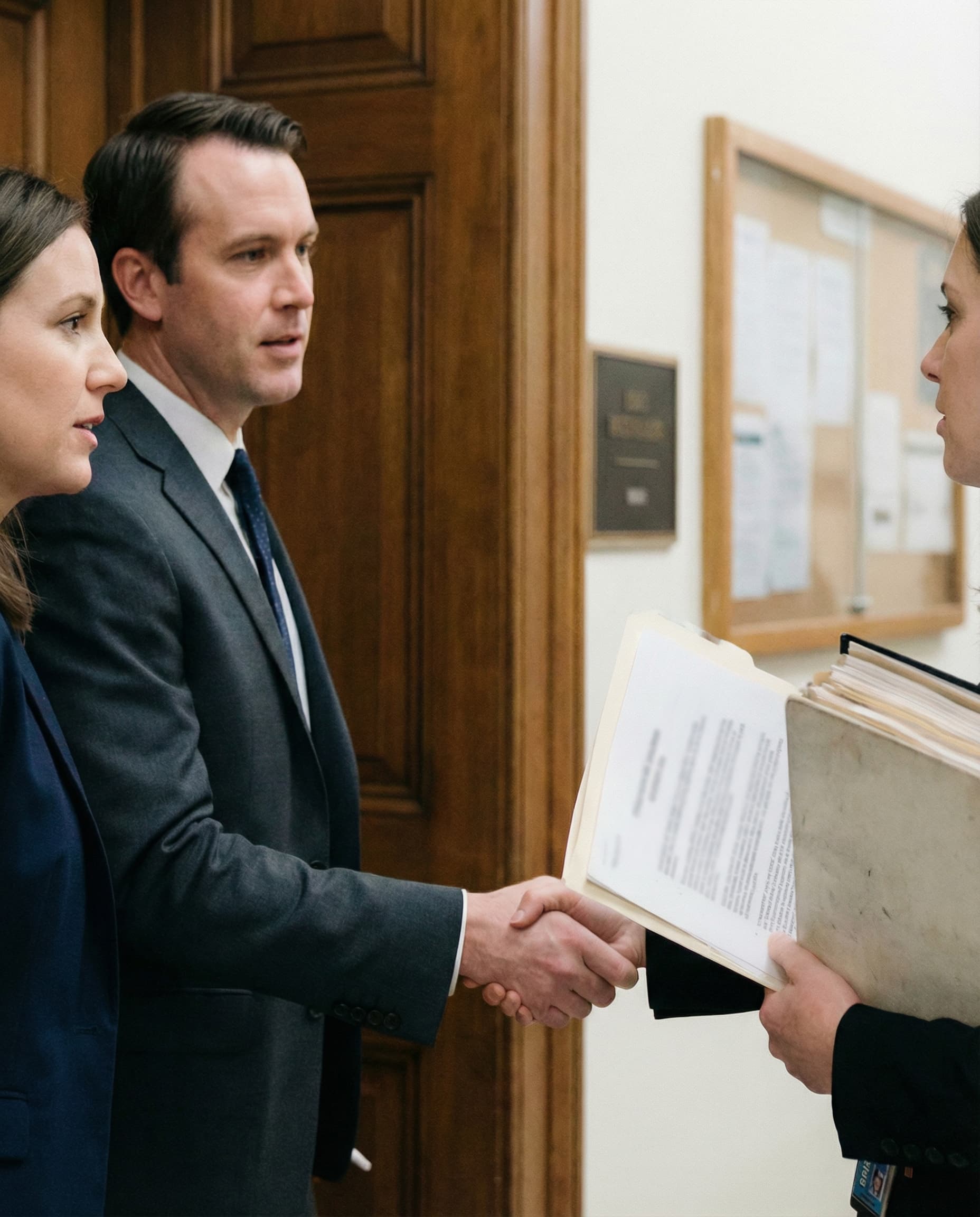
Lobby Senators and the President to block the rollback.
Run a targeted federal lobbying push to block waiver rollbacks and protect Clean Air Act authority in Congress and the White House. Focus on the narrow decision points that matter—votes, procedural blocks, and executive-level defenses—while tying the case to public health and state rights. The goal is to prevent new attacks and reduce uncertainty while courts resolve active disputes.
Why this works
- Requires only a sustained Senate filibuster or presidential veto to stop the CRA resolutions – achievable given Biden’s stated support for California and enough pro-climate Senators.
- This is a near-term fix: Biden’s veto pen can definitively save the waivers.
- Lobbying can also target moderate House members and Senators who wavered, leveraging public health data to shore up their stance.
League of Conservation Voters
AdvocacyElecting environmental champions and advocating for climate action
Mechanism
About LobbyingHow League of Conservation Voters uses funding
- Define the specific target (vote, amendment, or rider) and the shortest path to stopping it.
- Build a coalition of states, health groups, and aligned businesses to provide political cover.
- Engage decision-makers with meetings, testimony, and briefings tied to the timeline.
- Track amendments and vote timing; surge outreach as deadlines approach.
- Close the loop after decisions with a public update and the next defensive plan.
Milestones
Checkpoints and the expected timing for each step
- 1
Vote map + target offices set
0–30 daysDecision points, message frames, and priority offices are mapped.
- 2
Coalition pressure activated
1–2 monthsCoordinated briefings and constituent outreach begin and trackable commitments emerge.
- 3
Rollback blocked at a key gate
2–6 monthsA CRA resolution, amendment, or rider is stopped or neutralized.
- 4
Defense posture sustained
OngoingThe coalition maintains readiness for renewed attacks and communicates outcomes.