
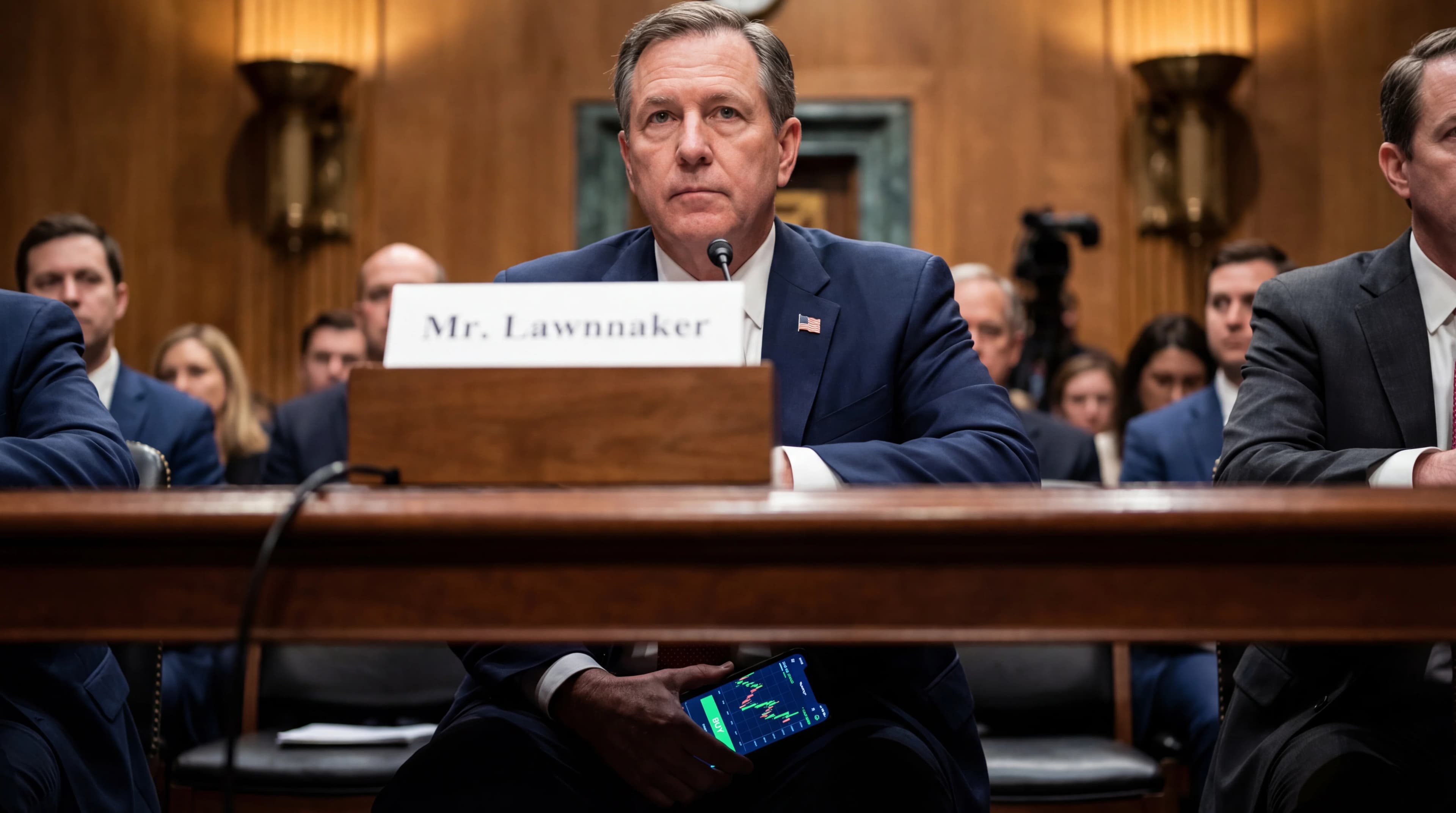
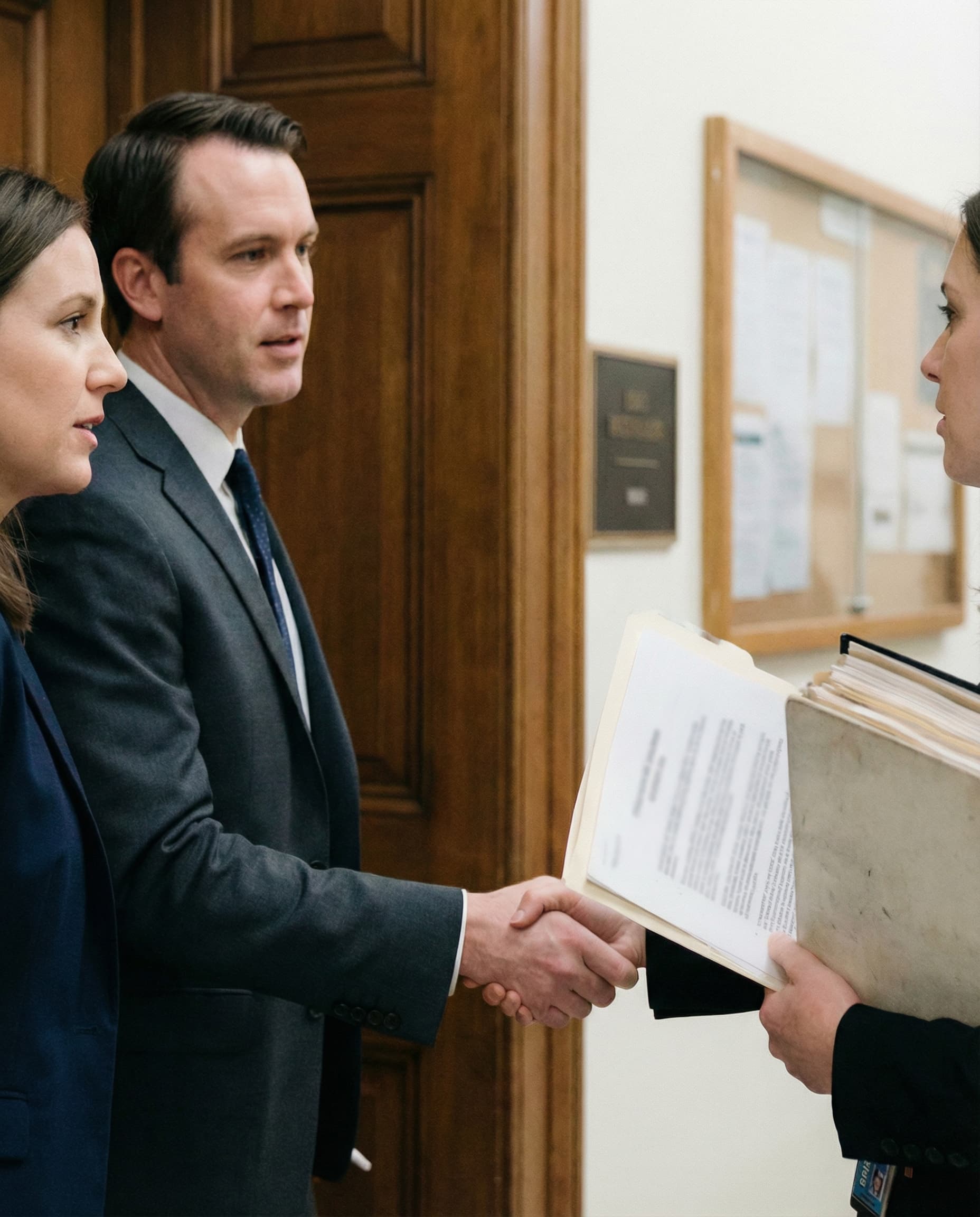
Use procedural tools (discharge petition in House, unanimous consent or amendment in Senate) to force votes, overriding reluctant leadership.
Force a clean stock-trading ban onto the floor when leadership is slow-walking action. This strategy focuses on whipping signatures and commitments for procedural routes, coordinating bipartisan sponsors, and making any delay or dilution visible. The near-term goal is a recorded vote on a real ban that can’t be quietly avoided.
Why this works
- The discharge petition already in motion is a concrete leverage point – if reformers get 218 signatures (including likely a couple dozen more Republicans and most Democrats), they can bypass committees and guarantee a floor vote.
- This threat alone puts pressure on Speaker Johnson to schedule a vote or negotiate a bill to avoid losing control.
- A public floor debate would force every member to go on record – given 86% public support, few will dare vote no.
- It’s a high-accountability move.
- In the Senate, an enterprising Senator could offer the ban as an amendment to must-pass legislation, testing colleagues’ will (the danger of opposing such an amendment might get it passed).
Public Citizen
AdvocacyChampioning consumer rights and accountable government
Public Citizen is a nonprofit consumer advocacy organization founded in 1971 by Ralph Nader. It works to ensure that all citizens are represented in the halls of power by promoting public health and safety, government transparency, and corporate accountability. Public Citizen fights for campaign finance reform and ethics (it helped create the Office of Congressional Ethics:), advocates for safe pharmaceuticals and medical devices, pushes for strong consumer protections in trade deals, and litigates to enforce health, safety, and environmental laws.
Mechanism
About LobbyingHow Public Citizen uses funding
- Define the non-negotiable elements of a real ban (divestment or qualified blind trusts, family coverage, enforcement, and reporting).
- Keep a public whip count for signatures and floor-vote commitments.
- Meet with targeted offices and leadership to secure signatures and lock in floor timing.
- Coordinate with sponsors on rules strategy and a plan to defeat weakening amendments.
- Push a parallel Senate floor vehicle (unanimous consent or amendment) aligned to the same core text.
- Publish a clear readout of what happened and what the next decision point is.
Milestones
Checkpoints and the expected timing for each step
- 1
Clean-ban criteria aligned
0–30 daysCoalition agrees on non-negotiables and publishes a one-page explainer.
- 2
Whip count + signature sprint underway
1–2 monthsSignatures and commitments increase with clear named targets.
- 3
Floor defense plan finalized
Before floor actionSponsors align on timing, rules strategy, and amendment defense.
- 4
Recorded vote achieved
This sessionA floor vote occurs and a public readout sets the next step.