
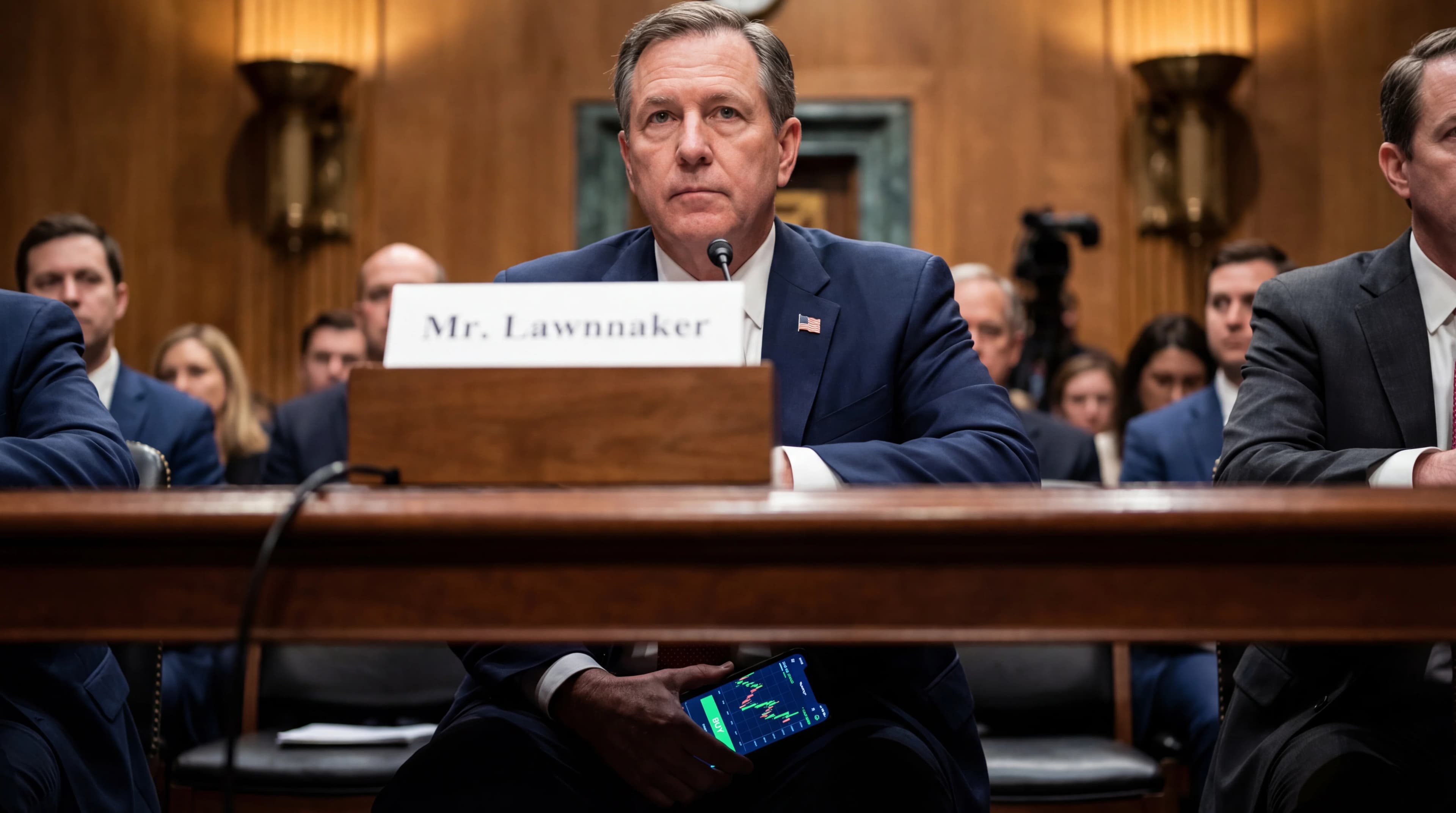

Mount a high-profile public pressure campaign – calls, ads, town halls – targeting any lawmakers dragging their feet.
Turn broad public support into sustained pressure that makes stalling and loopholes politically costly. This strategy runs an always-on narrative campaign, maintains a public scoreboard of where lawmakers stand, and floods key decision windows with constituent contact. The objective is to force floor time and keep the final product a real ban.
Why this works
- Voters are intensely supportive, so activating them can tip the balance.
- Advocacy groups (like Issue One, End Citizens United, and others) can run ads in districts of any key committee chairs or holdouts, basically asking “Will Congressman X vote to ban insider trading in Congress?
- Tell them to act.” Even a small number of such ads or a viral social media push can scare members, given how indefensible this practice is publicly.
- Transparent strategies like maintaining a public whip count of who supports/opposes the ban can shame fence-sitters (no one wants to be on the “no” list when 4 out of 5 constituents support it).
- Already, 277 organizations from consumer, faith, and veteran groups lined up to support the CFPB’s medical debt rule – that’s analogous in breadth.
- For stock ban, a similarly broad coalition (from progressive Indivisible to conservative FreedomWorks, many of whom indeed back this) could jointly deliver petitions with millions of signatures.
- Public pressure can also deter attempts to weaken the bill (hard to insert, say, a giant loophole if watchdogs are watching and ready to call it out).

Center for Science in the Public Interest
Tax-deductibleFood and health policy watchdog advancing safer food, honest labeling, and evidence-based nutrition.
Mechanism
About MediaHow Center for Science in the Public Interest uses funding
- Define the objective and decision-makers (leadership, key committees, and holdouts) and the next decision window.
- Build a narrative that explains the conflict and what a “real ban” includes.
- Maintain and promote a public tracker of support and procedural progress.
- Drive earned media placements and amplify trusted messengers across channels.
- Run rapid response when new disclosures or legislative moves change the terrain.
- Close the loop by publishing outcomes and naming any loopholes that would undercut the ban.
Milestones
Checkpoints and the expected timing for each step
- 1
Message toolkit + tracker launched
0–30 daysCore narrative assets and a public support tracker are live and promoted.
- 2
First pressure wave shipped
1–2 monthsEarned media, ads, or outreach drive visible constituent contact to target offices.
- 3
Decision-window surge
Before floor actionRapid response and mobilization peak when leadership is making scheduling choices.
- 4
Post-vote accountability readout
After a voteResults are published, loopholes are flagged, and the next move is clear.