

Use public pressure and campaigning to change the narrative on arms sales.
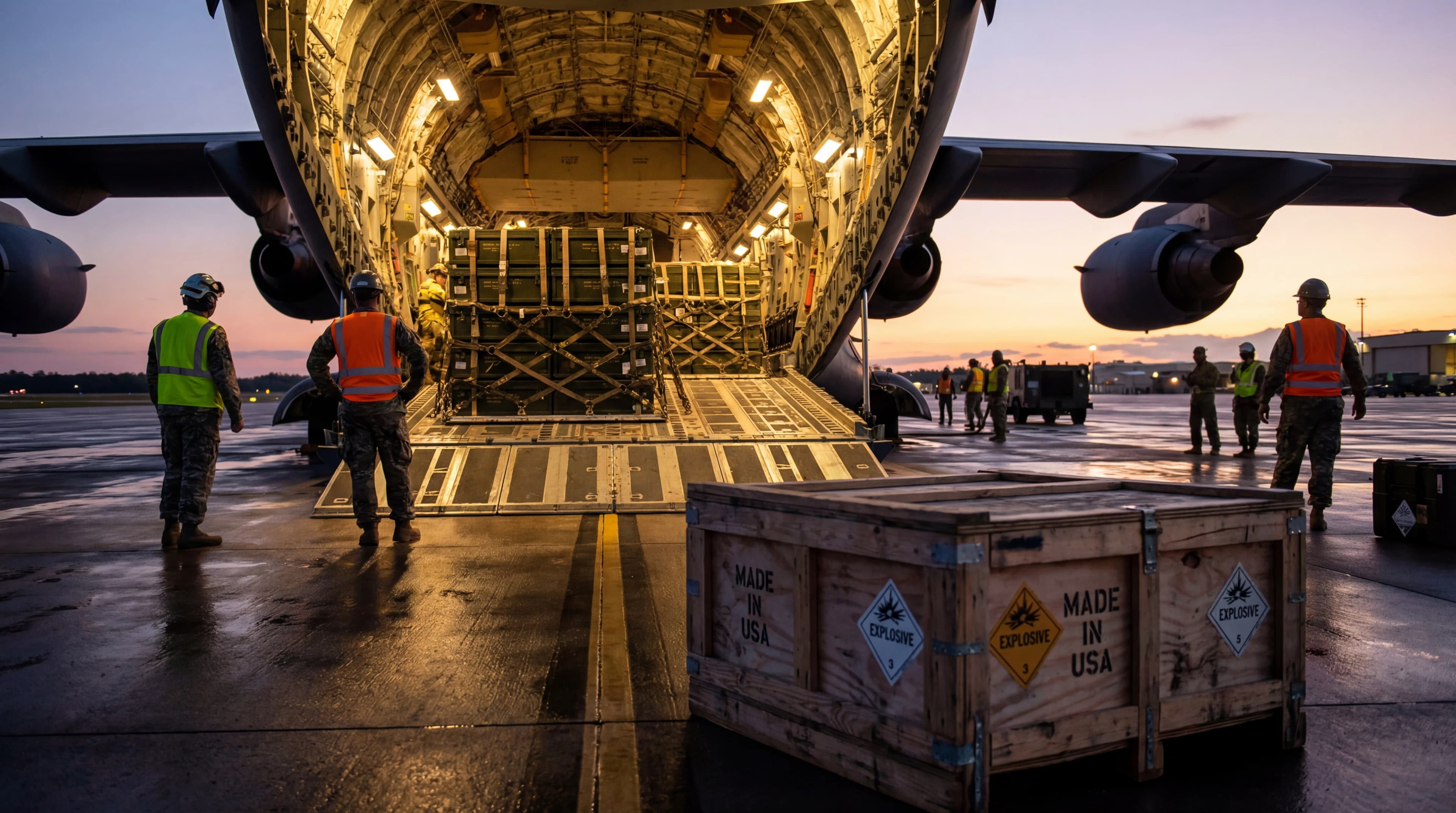
Make human-rights guardrails politically durable by changing what the public expects from arms sales decisions. Use compelling storytelling, credible messengers, and sustained distribution to keep attention on how U.S.-made weapons are used in war and repression, as described in the cause. The aim is pressure that strengthens oversight and reduces the space for “business as usual” approvals.
Why this works
- Lawmakers respond when they realize voters care.
- For instance, widespread public outrage after Khashoggi’s murder clearly moved Congress closer to rebuking Saudi.
- A sustained grassroots movement (similar to the 1980s anti-apartheid divestment campaigns) could stigmatize these arms deals.
U.S. Campaign for Burma
Tax-deductibleAdvocating for freedom and human rights in Myanmar (Burma)
Mechanism
About MediaHow U.S. Campaign for Burma uses funding
- Define the objective and decision-makers for the next major policy or vote window.
- Develop a narrative and proof points grounded in the cause’s documented examples.
- Recruit and support credible spokespeople and coalition partners.
- Distribute through press outreach, partner channels, and rapid-response moments.
- Monitor attention and counter-messaging; adjust quickly without drifting from facts.
- Close the loop by documenting what changed and what the next move is.
Milestones
Checkpoints and the expected timing for each step
- 1
Narrative and messenger plan built
Near-termA shared message kit and spokespeople list is ready for coordinated use.
- 2
Campaign push aligned to a decision window
Around hearings or votesEarned coverage and partner content land when decisions are being made.
- 3
Counter-messaging response loop established
During active campaigningRapid-response updates keep messaging accurate and consistent over time.
- 4
Outcome and next-step recap published
Post-windowA factual summary documents results and sets the next objective.