
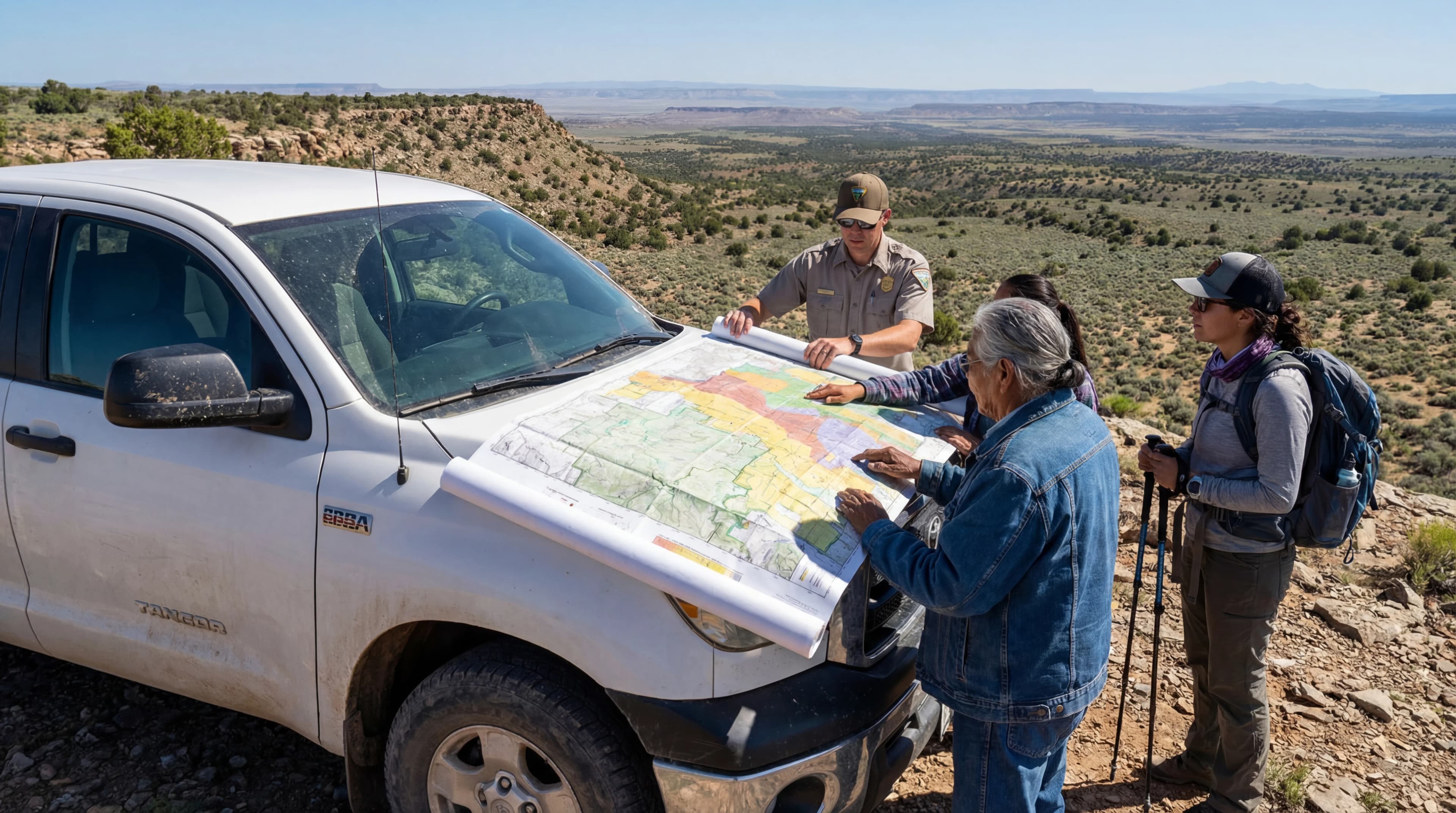
Encourage BLM to pilot new tools – perhaps a “BLM Land Planning Portal” – in one or two regions.
Prove transparency improvements by building and testing better public access tools in a small number of regions first. Use pilots—interactive maps, clearer document portals, and virtual engagement—to show what early, usable disclosure looks like in practice. If the pilot works, it becomes a proof point that helps overcome internal resistance and supports scaling.
Why this works
- Pilots can bypass initial resistance (“let’s try this in one district first”).
- Success can create internal champions.

Save Our Wild Salmon Coalition
Tax-deductibleCoalition advancing abundant wild salmon and steelhead in the Columbia–Snake Basin.
Mechanism
About Field TestingHow Save Our Wild Salmon Coalition uses funding
- Define the pilot region and the transparency question the tool must answer.
- Design a protocol for what data and documents are published, when, and in what format.
- Build and launch the pilot portal and engagement tools with clear user pathways.
- Collect feedback and usage signals; iterate to improve clarity and accessibility.
- Publish results and a scale plan so the pilot can expand beyond one region.
Milestones
Checkpoints and the expected timing for each step
- 1
Pilot scope and publication protocol defined
Near-termThe region, materials, and disclosure timing for the pilot are clearly specified.
- 2
Prototype portal and engagement tools launched
EarlyStakeholders can access draft materials and participate through a functioning tool.
- 3
Iteration cycle completed
Post-launchFeedback leads to a documented set of improvements and clearer user pathways.
- 4
Scale recommendation issued
After pilot resultsA written plan proposes how to expand successful tools beyond the pilot region.