
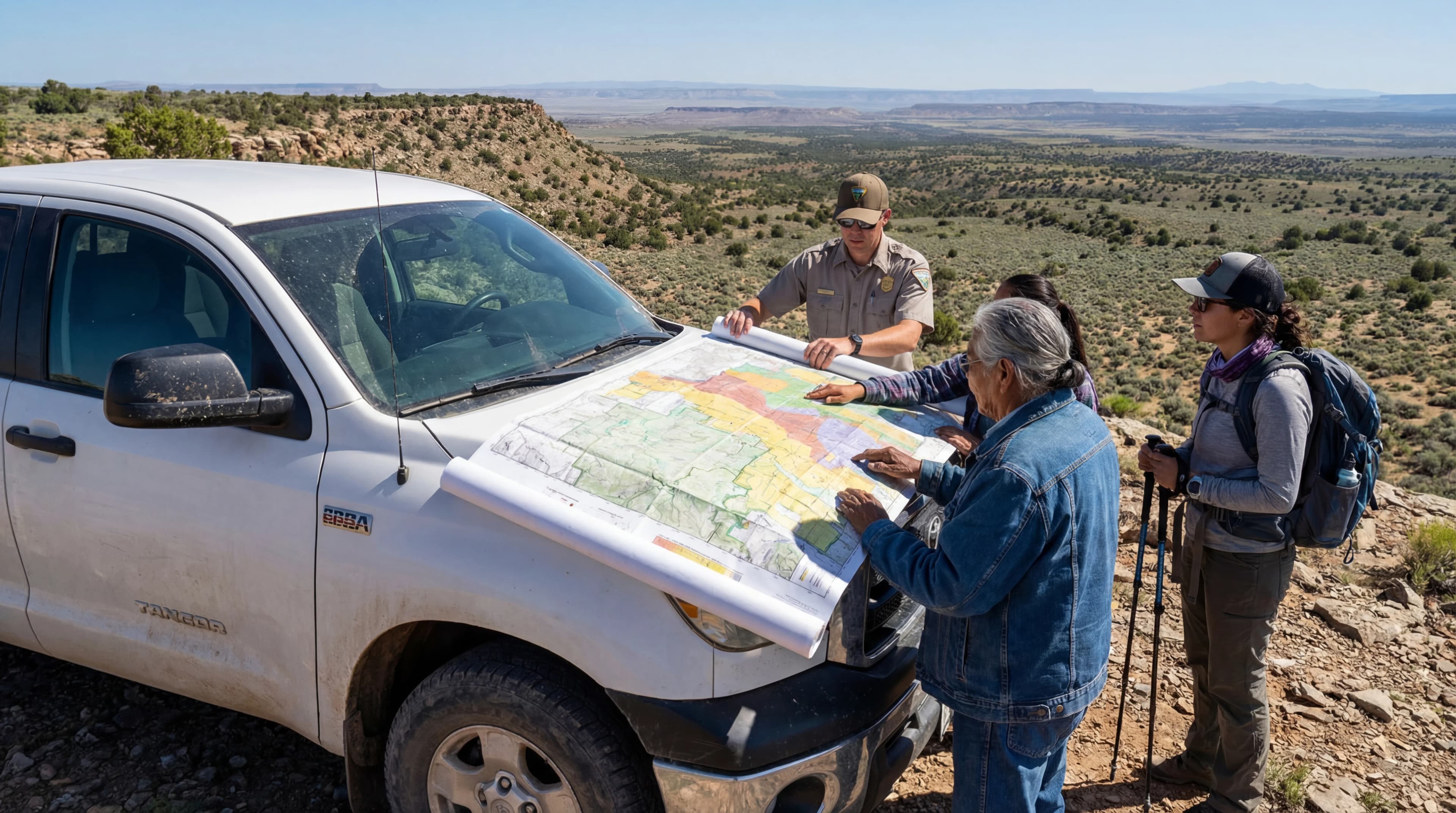

Build a coalition of stakeholders (recreation groups, conservationists, tribal representatives, even some ranchers and local governments) to publicly call fo...
Make transparency a broad “good governance” demand by organizing diverse stakeholders around a simple expectation: publish key planning information early, in usable formats, and invite input while options are still open. Use joint letters, testimony, and earned media to show that recreation, tribes, conservationists, and local land users all benefit from earlier visibility. The goal is steady pressure that makes it harder for opaque planning to proceed quietly.
Why this works
- Broad alliances can get attention of policymakers; shows this isn’t partisan but about good governance.
- It pressures BLM leadership by demonstrating that secrecy undermines their credibility.
Save Our Wild Salmon Coalition
Tax-deductibleCoalition advancing abundant wild salmon and steelhead in the Columbia–Snake Basin.
Mechanism
About MediaHow Save Our Wild Salmon Coalition uses funding
- Define the objective and decision-maker: what must be disclosed, when, and in what format.
- Build a coalition and shared message kit that different stakeholders can use without drift.
- Produce clear explainers and case examples that show why earlier access changes outcomes.
- Time letters, testimony, and placements to planning milestones and legislative windows.
- Monitor response and adapt tactics while keeping claims grounded in documented facts.
Milestones
Checkpoints and the expected timing for each step
- 1
Coalition and shared transparency asks locked
Near-termStakeholders align on a short, repeatable set of disclosure and timing demands.
- 2
Joint letter and testimony push delivered
During a planning or legislative windowCoordinated letters, op-eds, or testimony land at key decision points.
- 3
Agency response and commitments tracked
Post-pushSpecific commitments or process changes are documented and monitored.
- 4
Repeatable cadence established
OngoingThe coalition sustains pressure across multiple planning cycles and vehicles.