
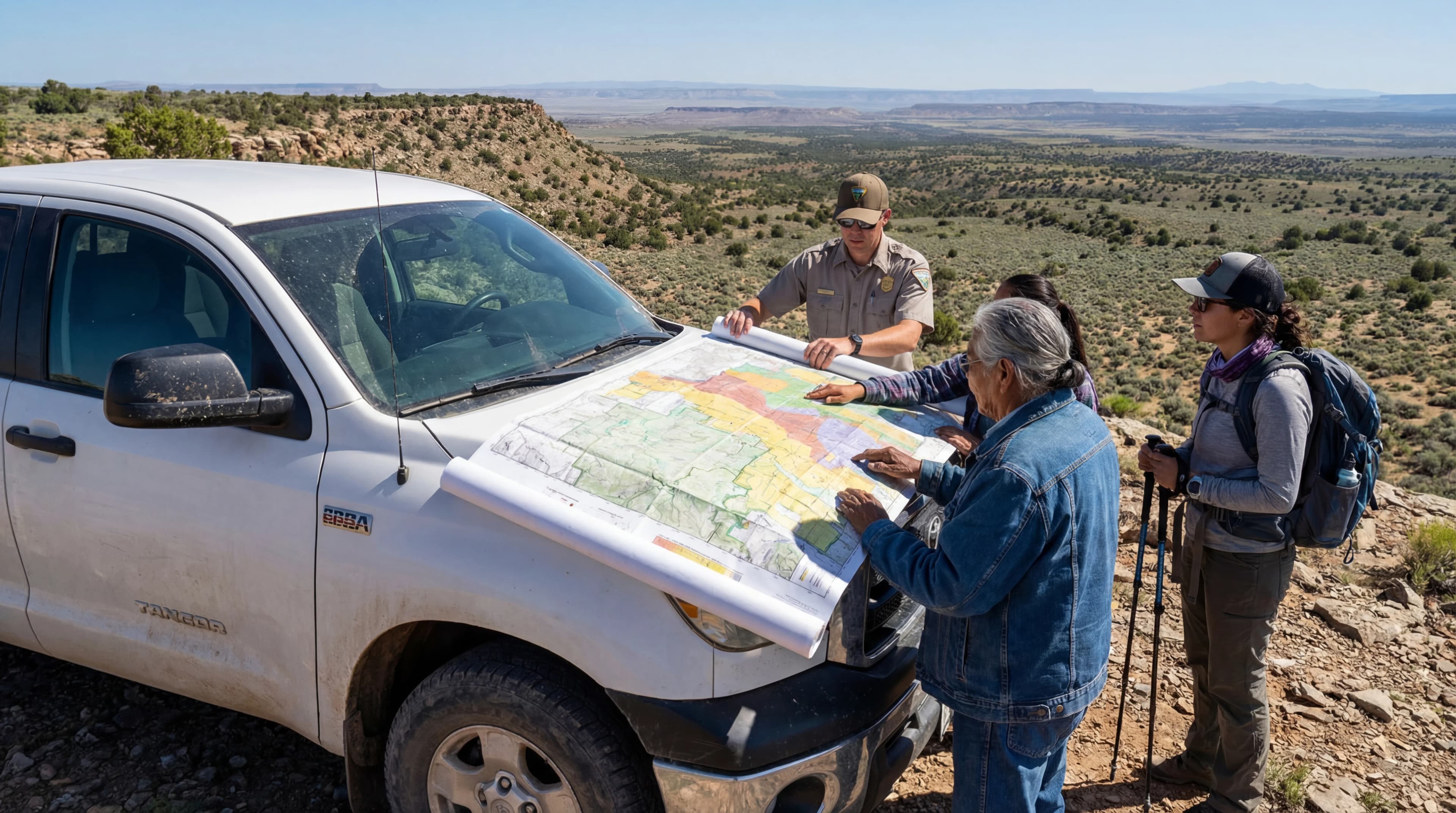

Use lawsuits strategically to force transparency – e.g.
Use targeted lawsuits to pry loose withheld information and to deter process shortcuts in BLM planning. FOIA pressure can force disclosure of key materials, while NEPA-based challenges can push agencies to meet meaningful public participation requirements. This is a backstop strategy: it’s often reactive, but it can create consequences that improve future transparency.
Why this works
- Legal wins can pry loose information (FOIA suits often succeed in releasing documents) and deter agencies from cutting corners in public process to avoid litigation.
The Wilderness Society
Tax-deductibleProtecting wilderness and inspiring Americans to care for wild places
Mechanism
About LitigationHow The Wilderness Society uses funding
- Identify the highest-impact information gaps and process failures in a planning cycle.
- Build a record through requests, documentation, and expert support where needed.
- File targeted FOIA actions or NEPA challenges with clear requested remedies.
- Seek interim relief when needed to prevent irreversible decisions while disclosure is pending.
- Track enforcement and compliance so disclosure produces usable public access.
Milestones
Checkpoints and the expected timing for each step
- 1
Priority information gaps identified
Near-termThe most consequential missing materials and process failures are documented.
- 2
FOIA or NEPA strategy filed
During the planning windowA targeted legal action is initiated with a clear request for disclosure or participation remedy.
- 3
Disclosure or court milestone reached
Post-filingMaterials are released or the court issues an order that changes agency obligations.
- 4
Compliance and follow-through tracked
Ongoing after outcomeReleased information is usable and participation opportunities meaningfully improve.