
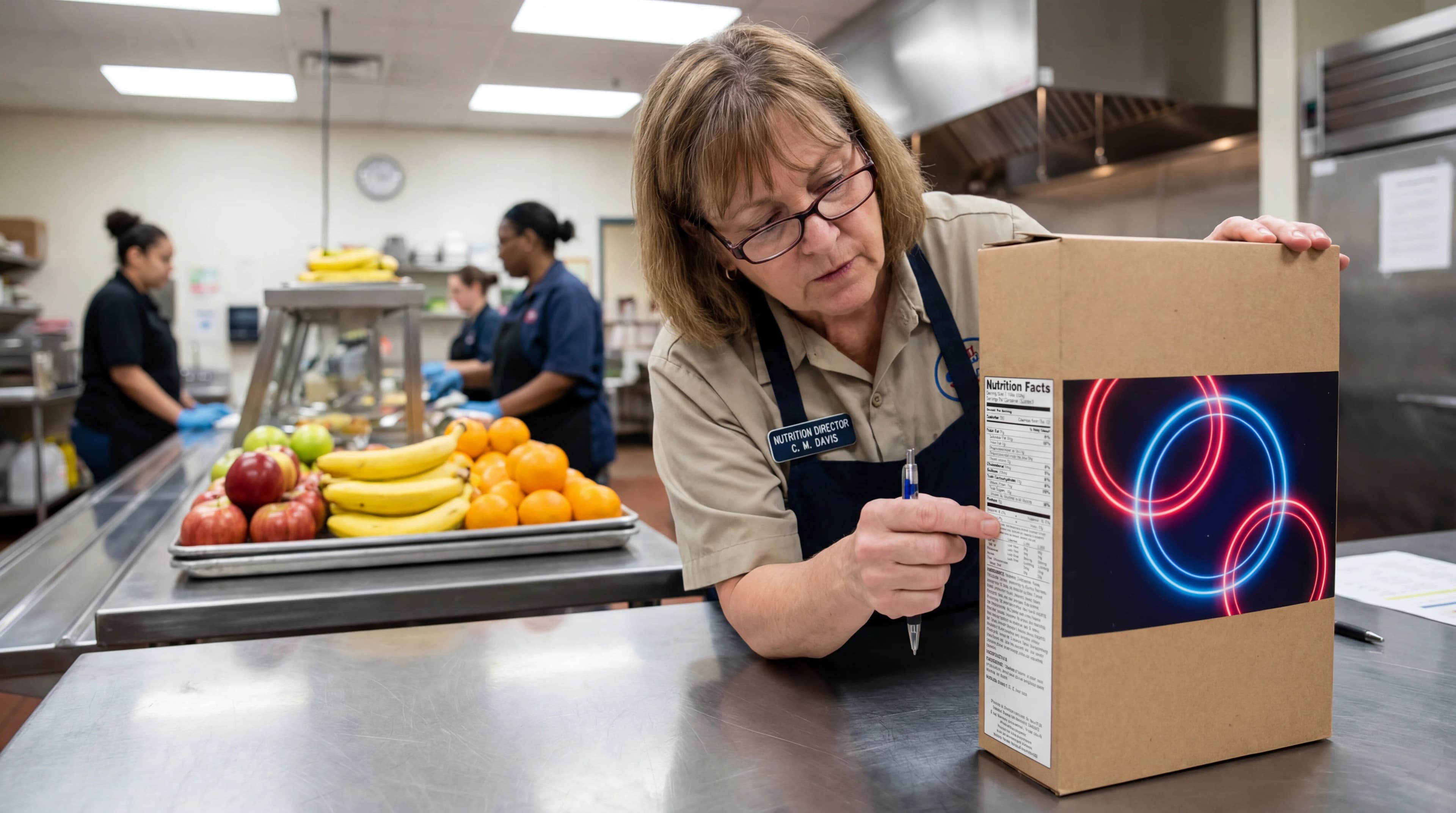
Win dye-free school meals and state-level restrictions that remove the highest-exposure channels for kids while federal action catches up.
Use procurement standards and state rules to cut children’s routine exposure through school meals and other school-sold foods while federal action plays out. This strategy focuses on passing clear, enforceable requirements that vendors can follow and districts can implement. The intent is fast protection that also builds leverage for a stronger national baseline.
Why this works
- Fastest near-term protection for children; strong local accountability.
Families USA
AdvocacyVoice for health care consumers
Mechanism
About LobbyingHow Families USA uses funding
- Identify high-exposure settings for kids and prioritize school meal and school-sold food channels.
- Draft clear procurement standards that specify what is allowed and how compliance will be verified.
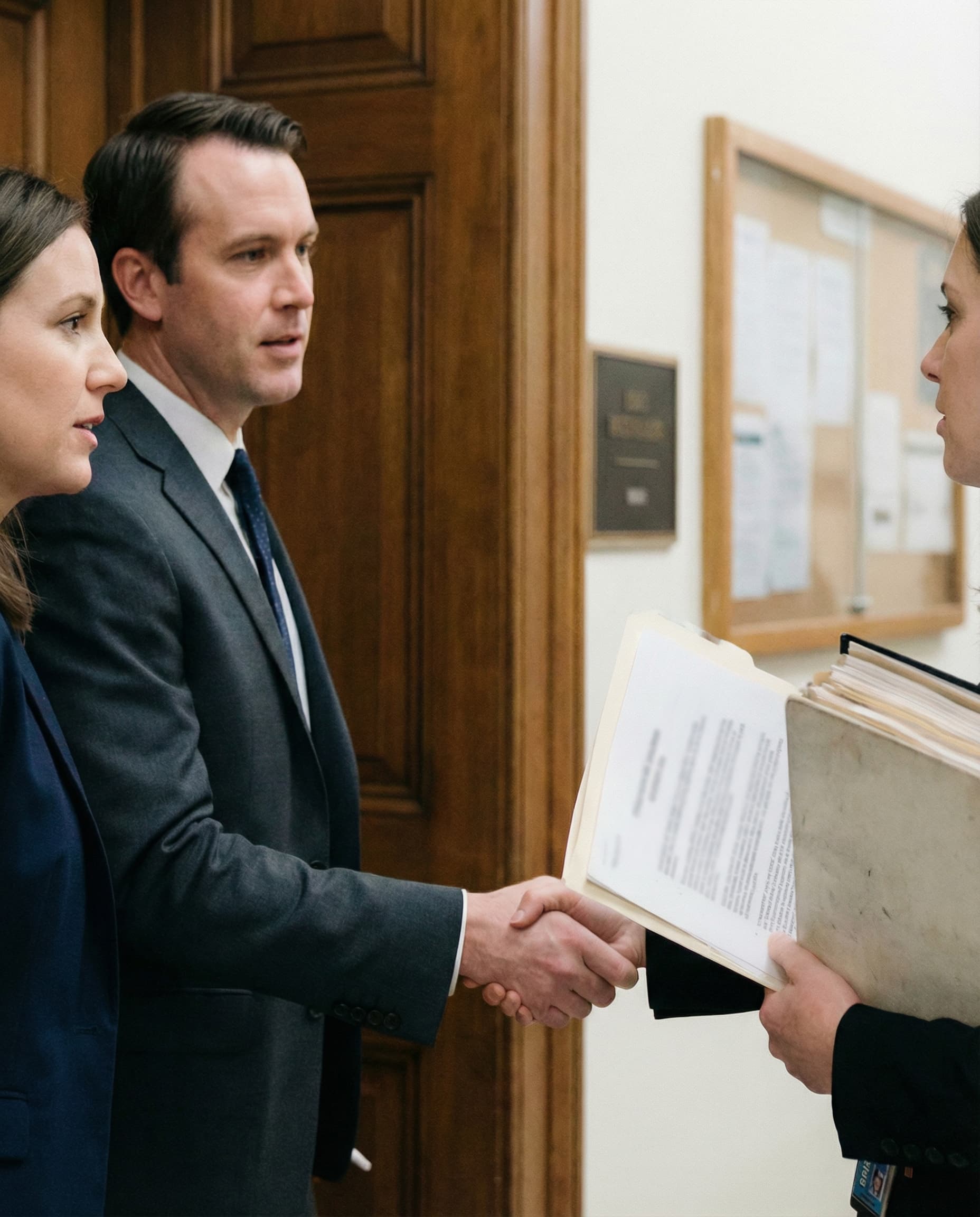
- Build coalitions of parents, public health advocates, and education stakeholders to move policies.
- Support districts and states with implementation checklists, vendor guidance, and enforcement plans.
- Track adoption and expand to additional jurisdictions as templates prove workable.
- Connect local wins to the case for national standards that reduce patchwork.
Milestones
Checkpoints and the expected timing for each step
- 1
Model procurement standard drafted
EarlyA clear template exists that schools and states can adopt with minimal customization.
- 2
First policies adopted
As local action movesOne or more jurisdictions adopt enforceable procurement rules for school meals.
- 3
Implementation guidance deployed
After adoptionDistricts have vendor guidance, checklists, and a plan for compliance verification.
- 4
Expansion wave launched
OngoingAdditional jurisdictions adopt aligned standards using shared lessons learned.
- 5
Federal leverage reinforced
OngoingState and school wins are used to support national action that reduces patchwork.