
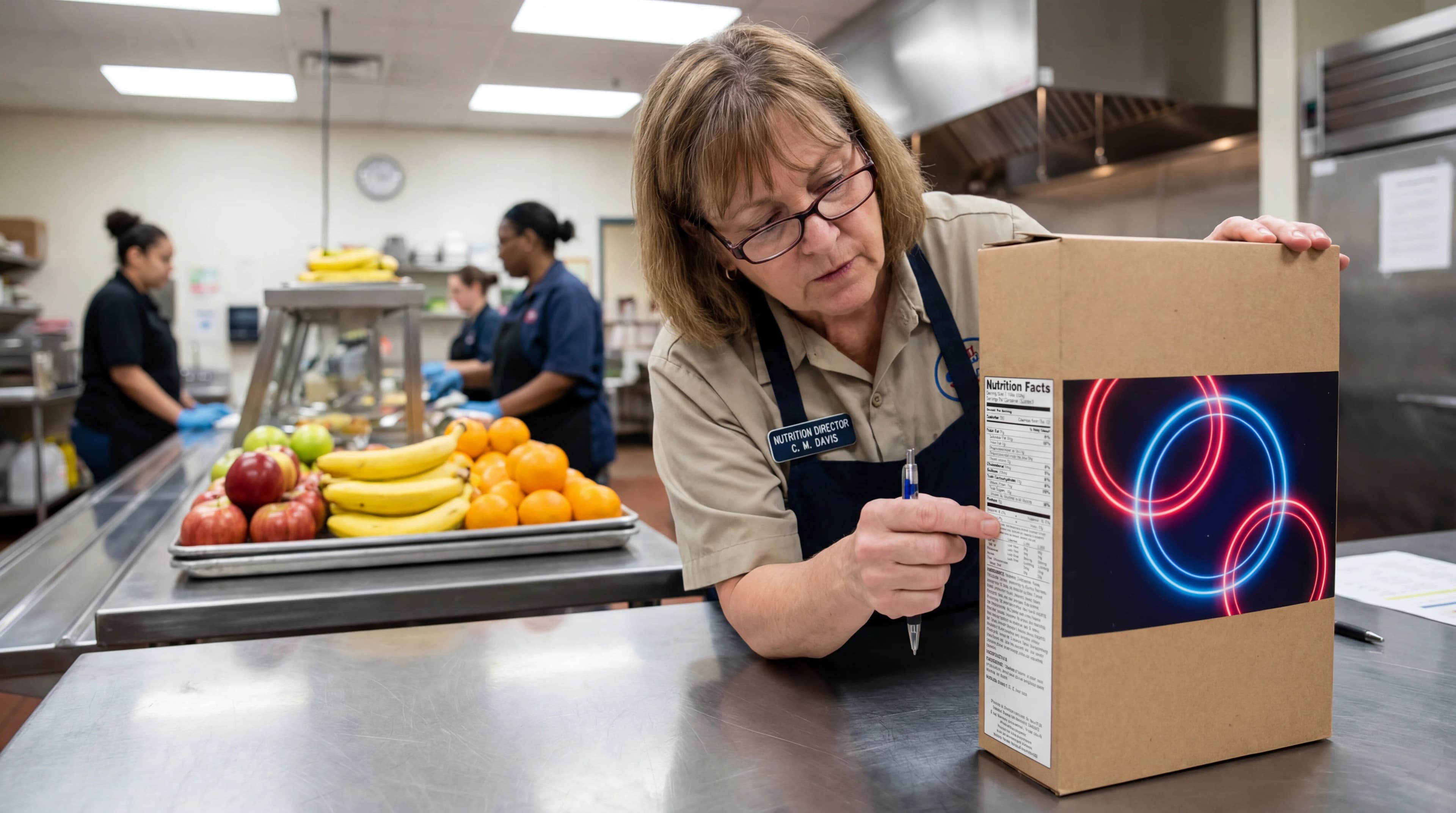

Make dye exposure visible to consumers and normalize dye-free defaults in kids’ products.
Turn concern about synthetic dyes into practical, repeatable action by making exposure easier to understand and dye-free choices easier to make. This strategy focuses on clear education and transparency so families, schools, and advocates can push for safer defaults. It complements policy by building sustained demand for enforceable standards.
Why this works
- Builds durable demand; increases compliance pressure.
Center for Food Safety
Tax-deductiblePublic-interest advocacy using litigation, policy, and grassroots action to protect health and the environment from industrial agriculture.
Mechanism
About EducationHow Center for Food Safety uses funding
- Create clear explainers and shareable materials that connect synthetic dyes to routine exposure in kids’ foods.
- Work with trusted messengers to distribute practical guidance and keep the issue visible.
- Normalize dye-free defaults by highlighting what “good” looks like in schools, brands, and procurement.
- Provide action pathways that link education to FDA advocacy and school and state policy wins.
- Update materials as standards and commitments change so guidance remains accurate.
Milestones
Checkpoints and the expected timing for each step
- 1
Core toolkit published
EarlyA clear set of explainers and action steps is available for families and advocates.
- 2
Trusted distribution channels activated
As outreach beginsMaterials are shared by credible messengers and reach school and community audiences.
- 3
Action pathways integrated
OngoingEducation materials consistently point to procurement and regulatory actions that create enforceable change.
- 4
Progress visibility maintained
OngoingUpdates keep the public informed through FDA, school, and brand milestones.