
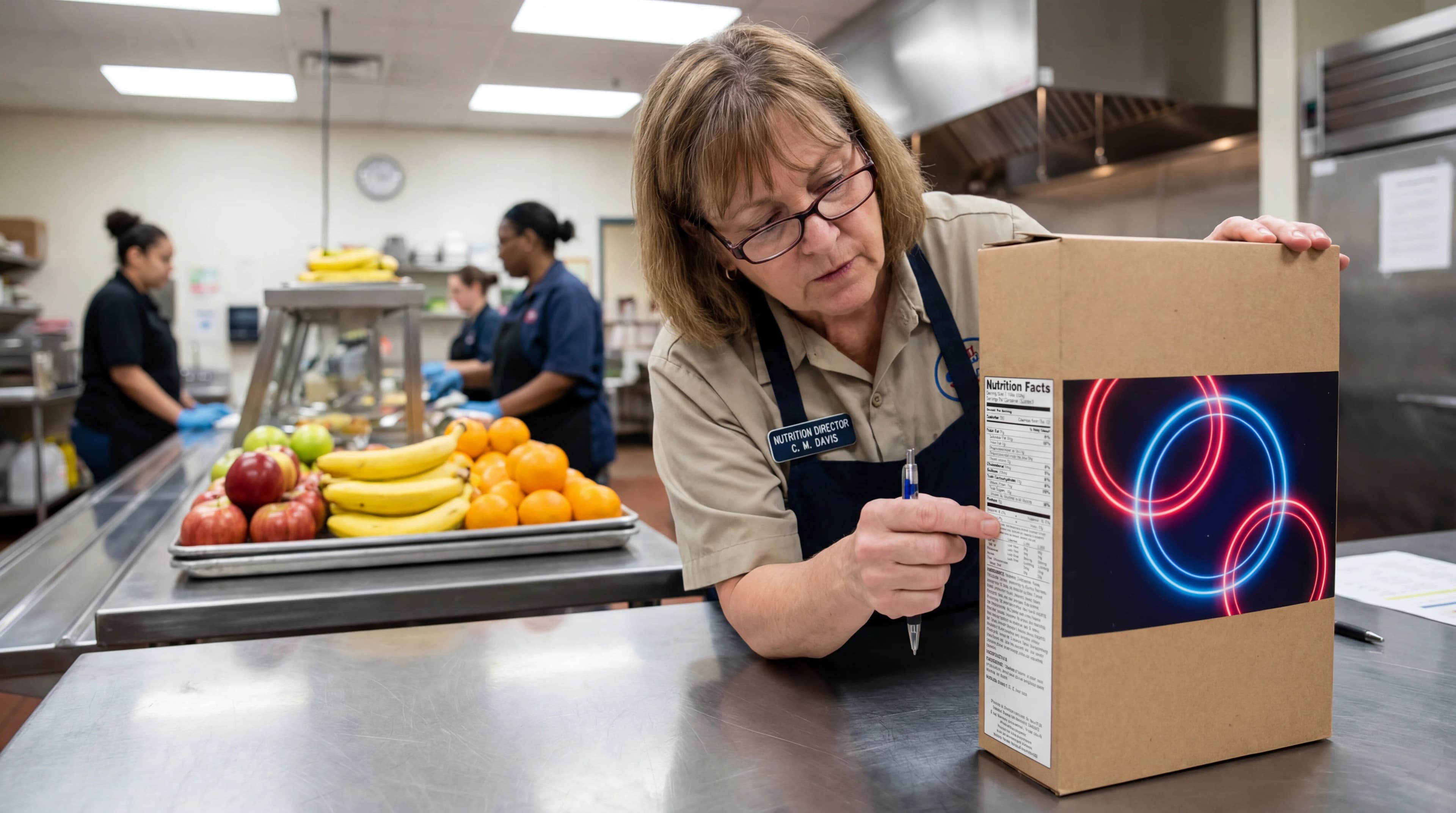

Pressure large manufacturers and retailers to phase out artificial dyes voluntarily and label progress publicly.
Use public pressure and narrative to push manufacturers and retailers to remove synthetic dyes voluntarily and report progress in the open. This strategy aims to move faster than regulation by making dye-free defaults a competitive expectation. It works best when paired with policy so voluntary promises don’t become substitutes for enforceable standards.
Why this works
- Can move faster than regulation; shifts norms across the category.
Center for Food Safety
Tax-deductiblePublic-interest advocacy using litigation, policy, and grassroots action to protect health and the environment from industrial agriculture.
Mechanism
About MediaHow Center for Food Safety uses funding
- Identify high-visibility companies and products where dye removal would reduce routine exposure, especially for kids.
- Run campaigns that earn attention and keep the focus on measurable commitments, not vague statements.
- Ask for public commitments with clear scope and regular progress reporting.
- Publish simple trackers so consumers and advocates can compare progress across companies.
- Highlight leaders to normalize dye-free defaults and keep pressure on laggards.
- Coordinate with policy campaigns so brand commitments reinforce the case for standards.
Milestones
Checkpoints and the expected timing for each step
- 1
Target list and campaign plan set
EarlyPriority companies, asks, and messaging are defined with clear accountability expectations.
- 2
First commitments secured
As campaigns runOne or more companies commit publicly and agree to report progress.
- 3
Public progress tracking launched
After commitmentsA simple tracker or scorecard makes status transparent to the public.
- 4
Category norms shift
OngoingAdditional companies follow, making dye-free defaults expected rather than exceptional.
- 5
Commitments reinforce standards
OngoingBrand changes are used to support stronger federal and local policy outcomes.