

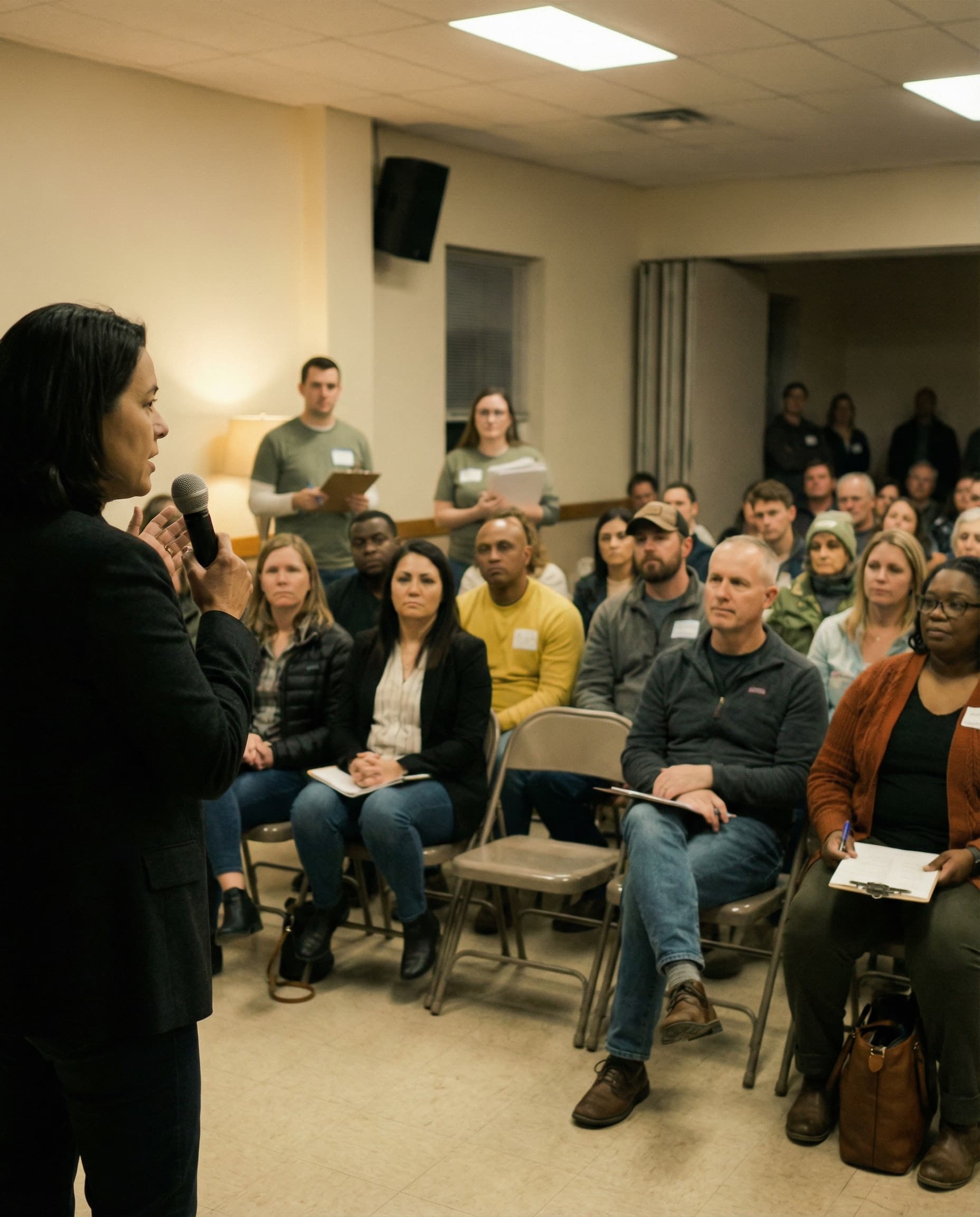
Support and elect candidates (via endorsements, funding through PACs, and grassroots canvassing) who prioritize health-care affordability.
Build electoral pressure so health-care affordability is a voting issue, not only a policy debate. Support candidates who prioritize cost-lowering reforms and make it a political liability for incumbents to side with industry over patients (including highlighting votes against cost-cutting measures). Pair election work with post-election accountability so wins translate into policy follow-through.
Why this works
- Election pressure is a direct way to influence policy: if politicians believe they might lose their seat over high health costs, they’ll be far more likely to champion reforms.
- A pro-affordability mandate from voters can break through partisan gridlock.
Color of Change PAC
PACElecting candidates committed to racial justice
Mechanism
About Candidate SupportHow Color of Change PAC uses funding
- Select a candidate slate aligned to affordability goals and define the objective for each race.
- Use the right compliant vehicle (often a PAC) to raise and spend funds within election rules.
- Run voter programs: canvassing, phone/text outreach, mail, and digital.
- Execute GOTV in the final stretch and track program milestones and outputs.
- Shift post-election to governance: engage winners and maintain accountability so results translate into policy.
Milestones
Checkpoints and the expected timing for each step
- 1
Race slate + compliance plan set
0–30 daysTarget races, messaging, and compliance guardrails are defined with owners and timelines.
- 2
Voter program build and rollout
1–3 monthsField, digital, and communications programs ramp with tracked outputs.
- 3
Final-stretch GOTV execution
3–6 monthsPrograms convert supporters into ballots cast and report results transparently.
- 4
Post-election engagement and accountability
6–18 monthsElected officials engage on affordability actions and progress updates continue.