
Title VI bars discrimination by groups that receive federal funding, but a 2001 Supreme Court decision limited when private people can sue. Today, many policies that look race-neutral can still cause unequal harm, and people often must rely on federal agencies to step in. Winning means restoring a clear path to address disparate impacts through rules, enforcement, and/or legislation.
Why this matters now
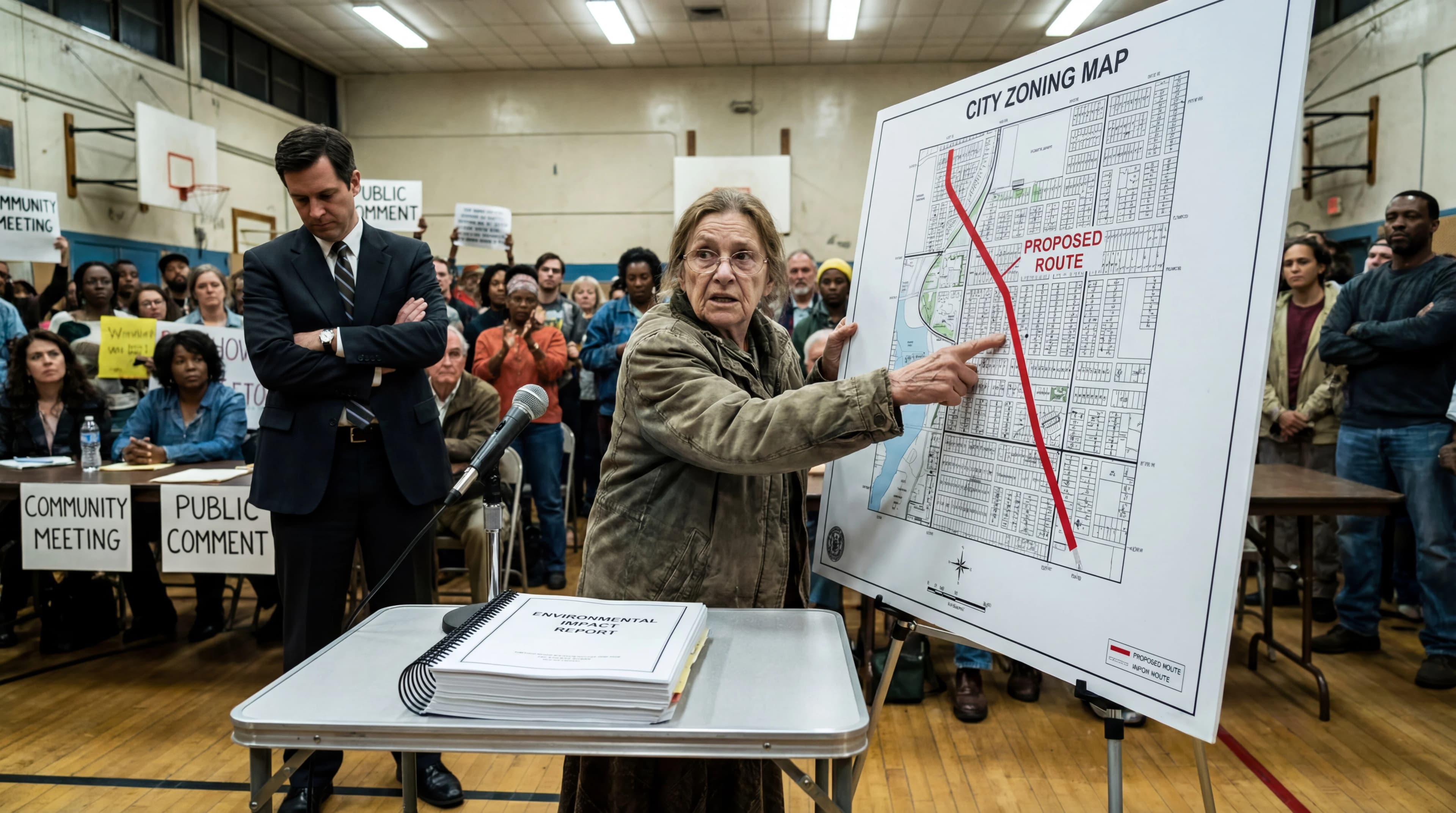
Many everyday decisions are made by schools, housing programs, transit agencies, and police departments that receive federal money. When a rule hits one racial group much harder than others, families can feel the impact fast—through school discipline, access to services, or neighborhood conditions.
Right now, after a 2001 Supreme Court ruling (Alexander v. Sandoval), people often cannot sue under Title VI unless they can prove intentional bias. That makes it harder to fix policies that produce unequal results even when no one admits a discriminatory purpose. It also means enforcement can depend on how strongly federal agencies choose to act.
