
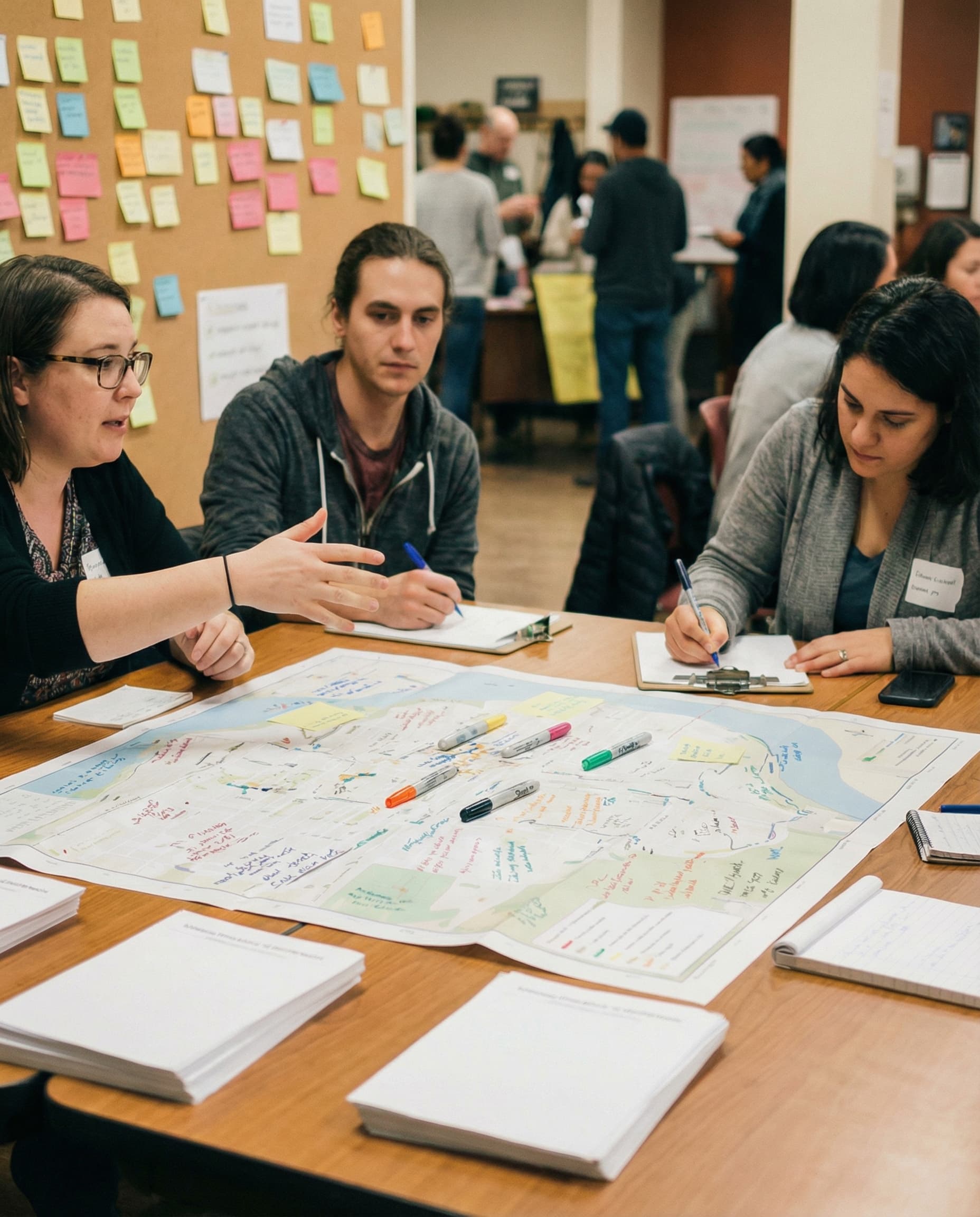
Build a coalition among education equity groups, environmental justice activists, and others impacted by disparate impact issues to raise public consciousness.
Build durable public pressure and cross-issue alignment so disparate impact enforcement is understood as a practical fairness issue—not a niche legal debate. Use organizing to recruit messengers, surface stories already described in the cause narrative, and keep attention on both Congress and agency enforcement while opponents push the “quota” frame. Coordinate this work with policy and legal decision windows so pressure converts into action.
Why this works
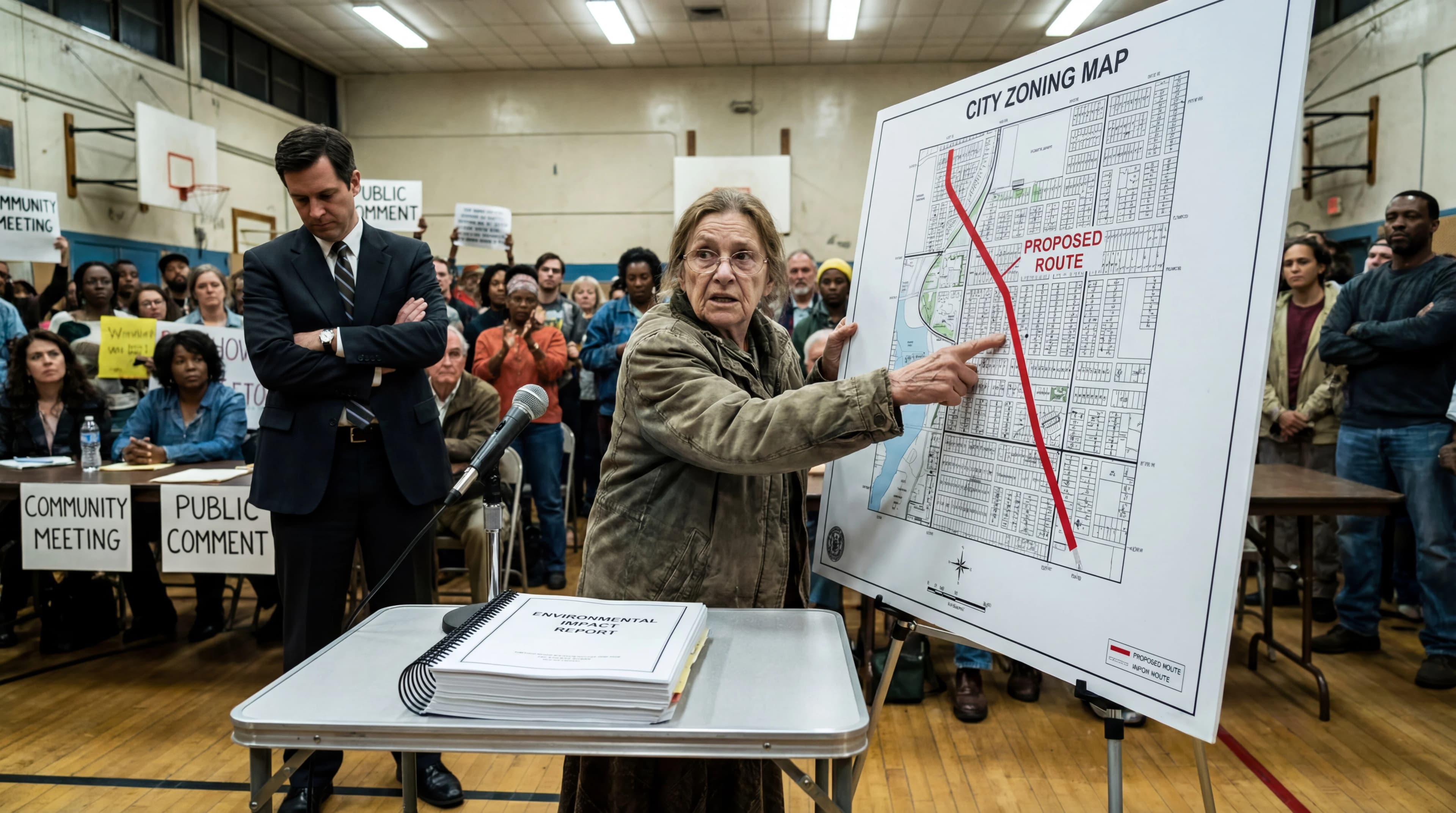
- This broadens the narrative – show that this is not just a legal technicality, but something that affects whether your child is disciplined fairly at school, or whether your neighborhood gets toxic waste dumped.
- Groups like NAACP LDF, MALDEF, Asian American organizations, and environmental justice networks coming together can present real stories to the media and lawmakers.
- For example, highlight a case: “In X city, a ‘race-neutral’ policy left a minority community with unsafe drinking water – and residents had no legal recourse.” Such storytelling can build moral momentum.
The Leadership Conference on Civil and Human Rights
AdvocacyCoalition driving civil rights progress
Mechanism
About GrassrootsHow The Leadership Conference on Civil and Human Rights uses funding
- Recruit and train a cross-issue coalition aligned around shared goals.
- Build message discipline that connects disparate impacts to everyday outcomes in federally funded programs.
- Run a cadence of actions (events, petitions, briefings) timed to key decision windows.
- Coordinate pressure with policy and legal teams so actions target the right officials and agencies.
- Sustain momentum with feedback loops and conflict resolution inside the coalition.
Milestones
Checkpoints and the expected timing for each step
- 1
Coalition charter + message map set
0–30 daysRoles, shared narrative, and decision rules are agreed across partners.
- 2
Action cadence launched
1–2 monthsEvents and outreach run on a predictable schedule with clear targets.
- 3
Pressure aligned to decision window
2–6 monthsActions synchronize to legislative or agency milestones with measurable follow-up.
- 4
Coalition sustained and expanded
OngoingRetention and coordination remain strong as the campaign adapts over time.