

Pass laws requiring AI disclosure and limiting surveillance uses.
Advance clear federal rules that require disclosure when AI is used in consequential contexts and that constrain high-risk surveillance uses. This strategy translates public concern into enforceable standards with real penalties, while reducing the patchwork that leaves rights dependent on geography. It can also complement near-term agency efforts, like FCC disclosure and consent reforms, by setting a clearer baseline.
Why this works
- This strategy creates clear, democratic mandates: e.g.
- a federal law could require any AI system used in critical decisions to be transparent and auditable, and could ban high-risk surveillance like real-time facial recognition by government.
- Legislation can also include enforcement teeth (penalties for agencies or companies that fail to comply).
- It provides uniform protections – important for civil liberties – and can be comprehensive (covering both government and private sector in some respects).
Public Citizen
AdvocacyChampioning consumer rights and accountable government
Mechanism
About LobbyingHow Public Citizen uses funding
- Define the specific disclosure and surveillance limits the bill should require and how they would be enforced.
- Build the case with real-world harms and public demand already cited in the cause materials.
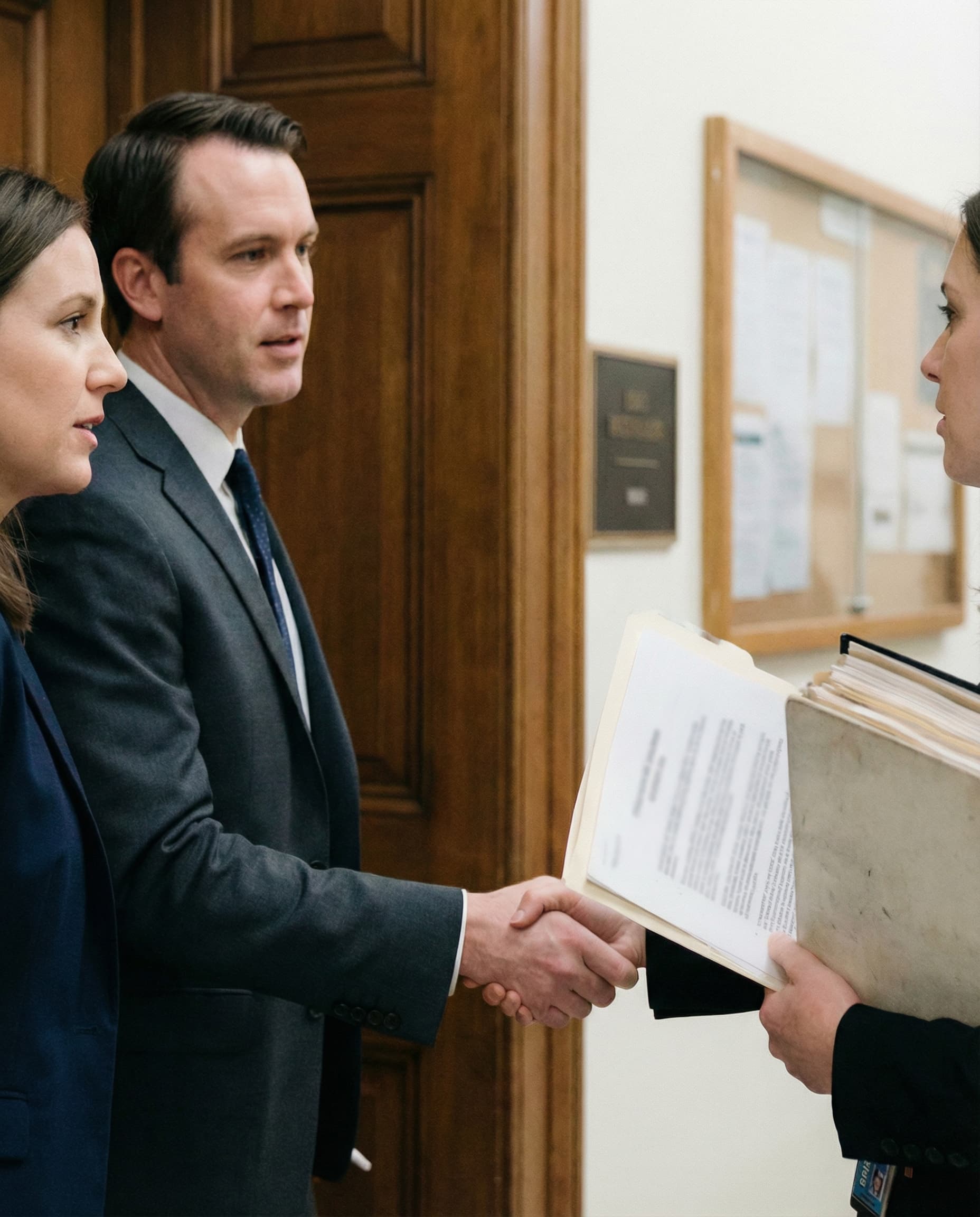
- Engage lawmakers and staff with targeted briefings and coalition coordination.
- Track committee movement, amendments, and vote timing; negotiate to keep standards meaningful.
- Close the loop with an implementation-focused readout of what passed and what comes next.
Milestones
Checkpoints and the expected timing for each step
- 1
Bill language and coalition agenda set
Near termDraft text is ready with clear definitions and enforcement design.
- 2
Sponsors and committee path secured
This sessionKey offices commit to hearings, markup, or floor movement.
- 3
Negotiation and amendment phase
During considerationCore transparency and surveillance limits remain intact.
- 4
Passage and implementation follow-through
After votesStandards are adopted and guidance makes compliance practical.