
No open cycle

This cause does not have an open cycle right now. Your grant status is still available in the dashboard.

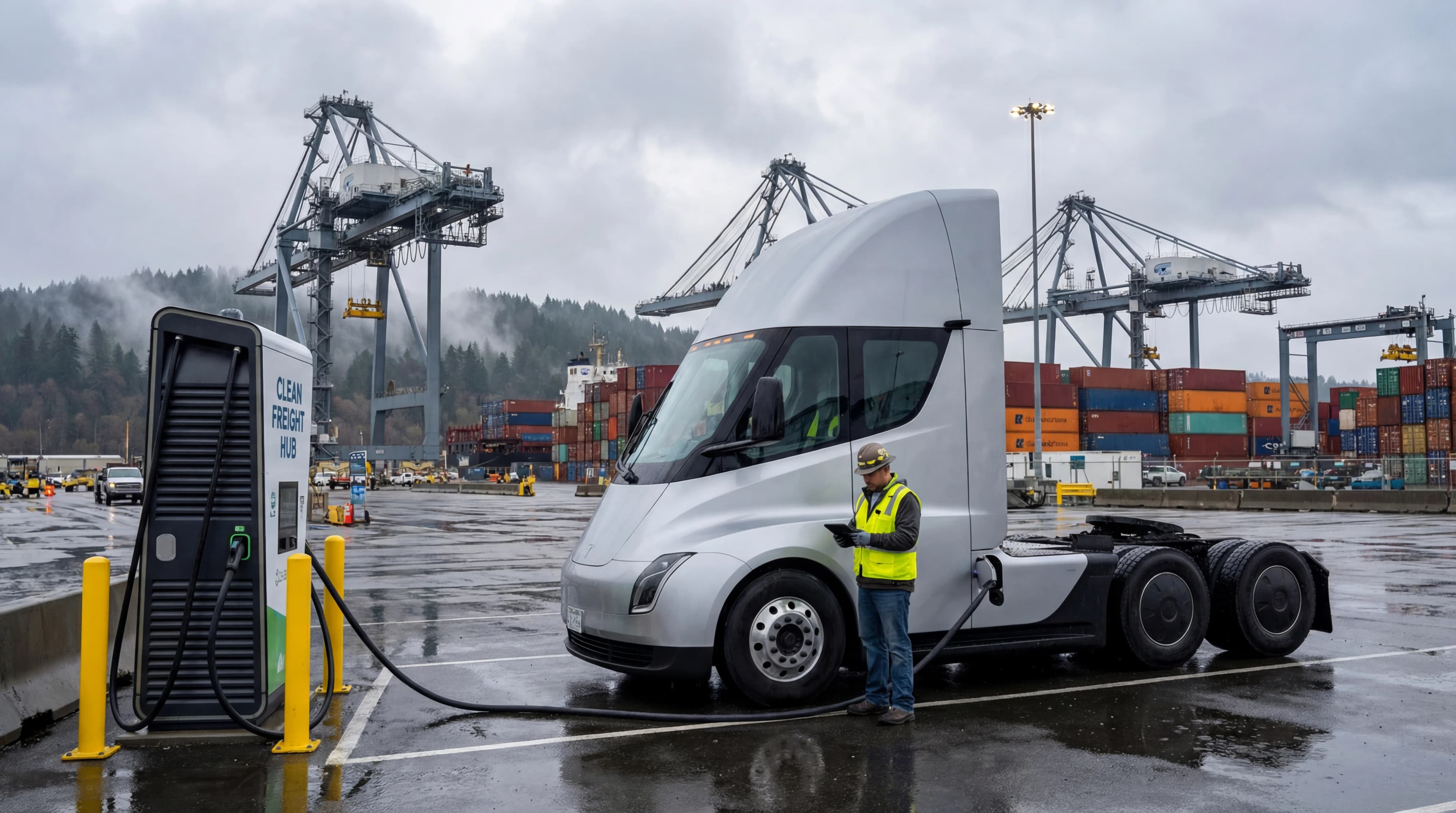
Washington clean freight rollout
Grassroots

Stakeholder Mediation & Flexibility

Bring industry players to the table to troubleshoot issues and offer reasonable flexibility without abandoning the goals.

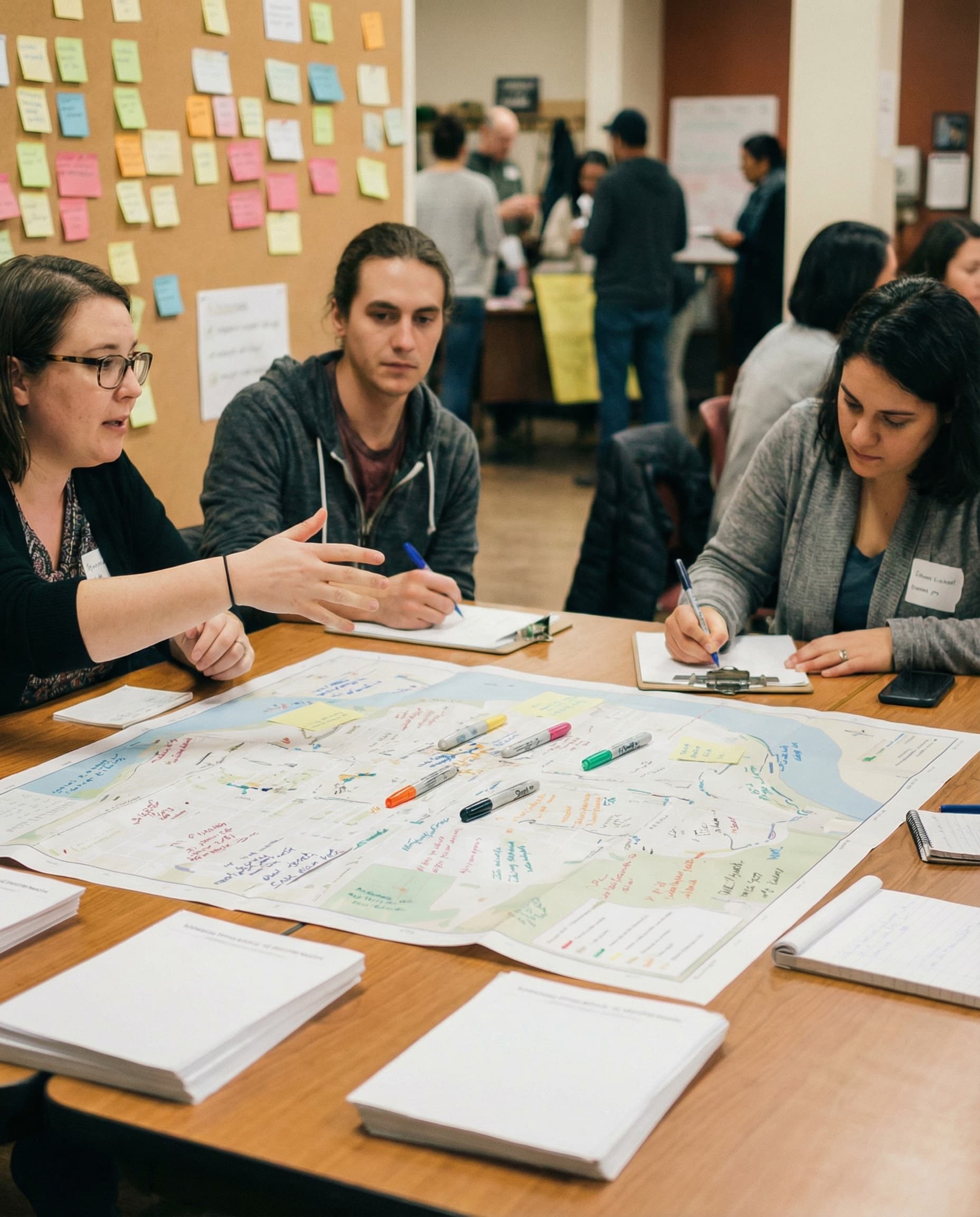
Convene a durable stakeholder table—trucking associations, environmental-justice groups, utilities, manufacturers, and state agencies—to surface the hardest operational barriers and negotiate practical fixes. Fund organizing and facilitation that turns conflict into actionable commitments while keeping standards intact.

Why this works

  • Washington can convene a Clean Freight Advisory Committee (if one isn’t already active) including trucking associations, environmental justice groups, utilities, and manufacturers.
  • Through this, valid concerns (like “how do independent truckers charge if they live in apartments?” or “will rural areas have support?”) can be addressed with targeted solutions – e.g.
  • mobile charging units for drayage trucks, or phasing in requirements for certain truck classes a bit later if needed.
  • Showing a willingness to be pragmatic could undercut opposition arguments that the state is ignoring economic realities.
  • It might also yield voluntary commitments: perhaps major trucking companies pledge to electrify X% of their WA fleets by 2027 regardless, demonstrating progress.

League of Conservation Voters

Advocacy
lcv.org

Electing environmental champions and advocating for climate action

The League of Conservation Voters (LCV) is a prominent environmental advocacy and political organization founded in 1969. LCV works to turn environmental values into national priorities by influencing elections and policy: it publishes the National Environmental Scorecard rating lawmakers’ votes, lobbies for strong environmental protections, and through its affiliated PACs supports pro-environment candidates. LCV and its state affiliates mobilize voters, run issue campaigns on climate and conservation, and have helped secure victories such as passing stronger clean air and water laws and defending public lands.

How League of Conservation Voters uses funding

  1. Stand up or reinvigorate a Clean Freight Advisory Committee with balanced representation.
  2. Gather operational constraints from small fleets, rural operators, and impacted communities.
  3. Develop a menu of targeted fixes (charging access, technical assistance, phased class timelines).
  4. Broker voluntary commitments from major fleets and partners to show progress during the pause.
  5. Translate agreements into program adjustments and clear public guidance.

Milestones

Checkpoints and the expected timing for each step

  1. 1

    Stakeholder table convened

    0–30 days

    Charter, members, and meeting cadence are set with a public agenda.

  2. 2

    Barrier intake + prioritization completed

    1–2 months

    Top operational barriers are documented with proposed fixes and owners.

  3. 3

    Commitments + action items published

    2–4 months

    Voluntary commitments and agency action items are announced with timelines.

  4. 4

    Targeted flexibility package defined

    3–6 months

    Practical adjustments are specified without undermining the core standards.

Risks, trade-offs & sources

Updates

No updates yet.

Updates will appear here as the strategy progresses.

0votes left
Using bonus
0