
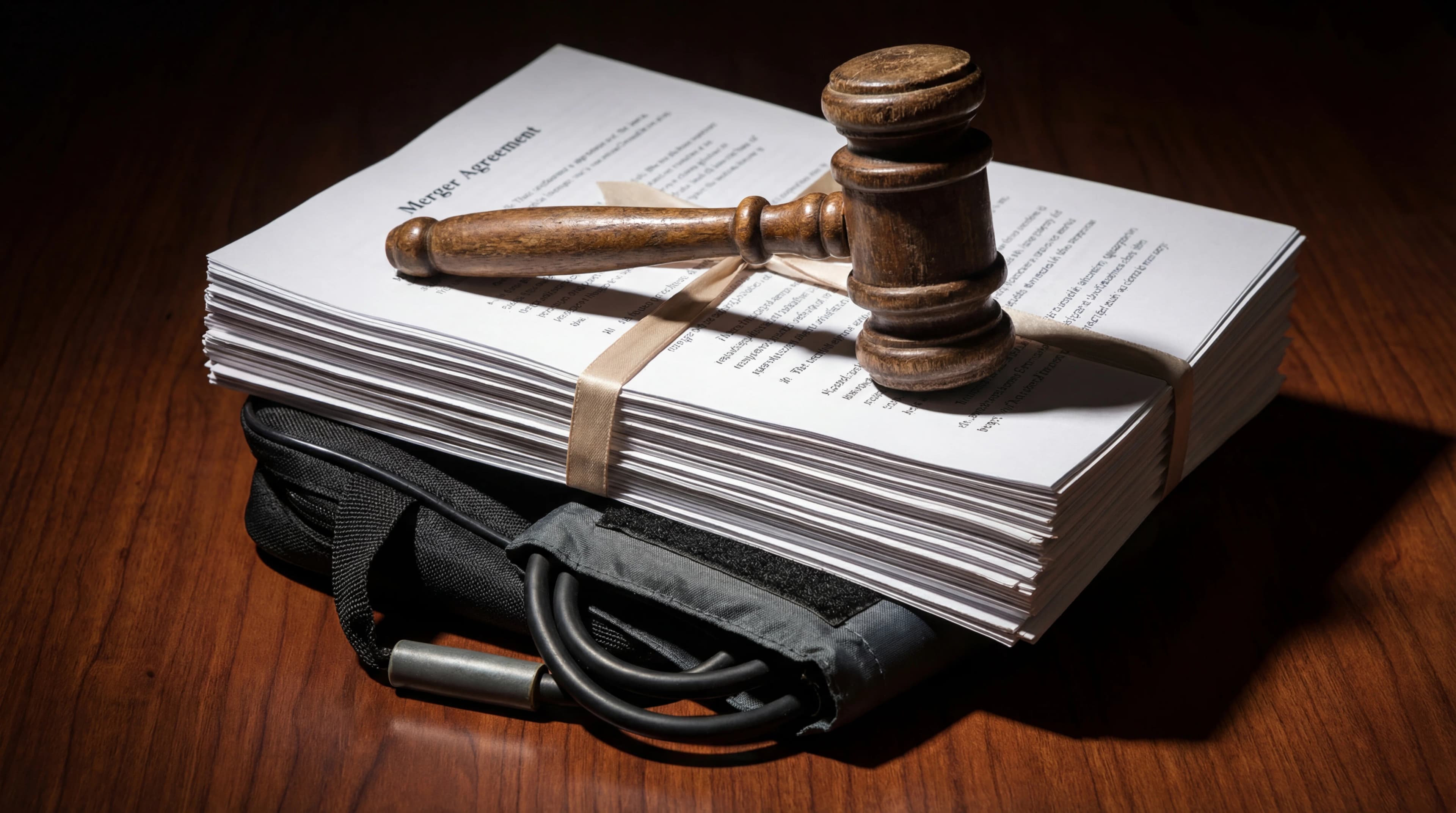

Use a public campaign to rally opposition to the merger.
Make the stakes legible outside of a courtroom by translating the merger into a clear story about choice, access, and accountability. Use patient and community voices, plus lawmaker attention, to support enforcers staying aggressive and to reduce the odds that weak remedies slip through. This pressure is most valuable while the case is active and outcomes are still being shaped.
Why this works
- Political pressure can influence outcomes even in regulatory or legal realms; a judge seeing broad public concern might be swayed on the equities of the case.
- The merger also needs various regulatory approvals (state health regulators for hospice, etc.); public outcry can prompt those regulators to delay or attach conditions.
- If enough noise is made, UnitedHealth could calculate the PR damage and choose to abandon the deal (that’s rare but not impossible).

Center for Food Safety
Tax-deductiblePublic-interest advocacy using litigation, policy, and grassroots action to protect health and the environment from industrial agriculture.
Mechanism
About MediaHow Center for Food Safety uses funding
- Define the objective and decision-makers tied to the litigation and approval process.
- Build a message kit using the cause’s documented harms and competition concerns.
- Recruit and support credible spokespeople and community validators.
- Time op-eds, public letters, and outreach to key case milestones and decision windows.
- Monitor response, address counter-messaging, and keep the narrative focused on competition outcomes.
Milestones
Checkpoints and the expected timing for each step
- 1
Narrative and messenger bench built
Near-termA shared message kit and spokespeople list is ready for rapid deployment.
- 2
First pressure wave aligned to a case milestone
During active litigationEarned coverage and partner content land around a key filing, hearing, or decision point.
- 3
Lawmaker engagement moment delivered
During the decision windowPublic statements, letters, or oversight actions add visible scrutiny to the merger.
- 4
Outcome recap and next steps published
Post-decisionA clear, factual summary explains what changed and what follow-through is needed.