
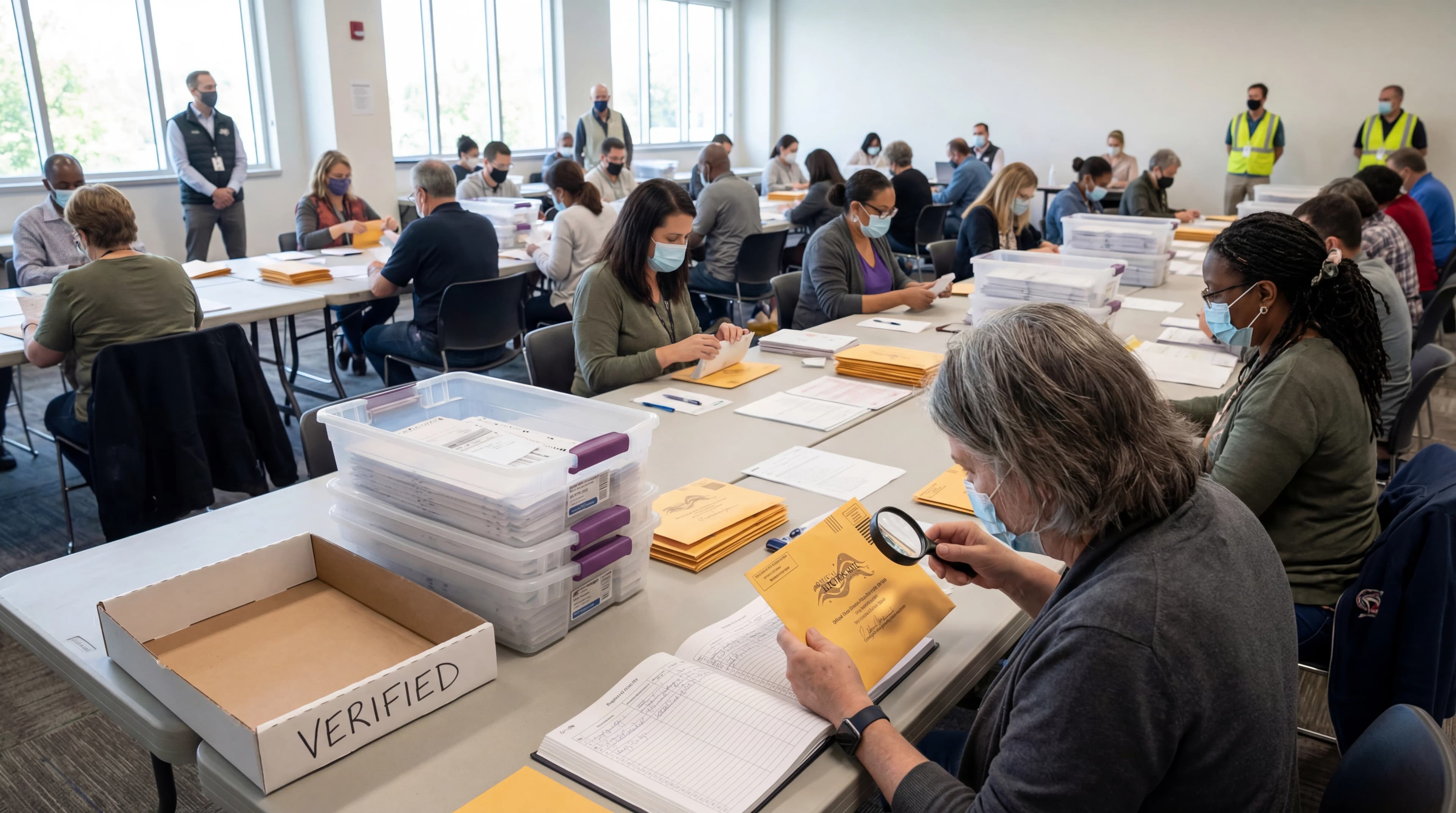
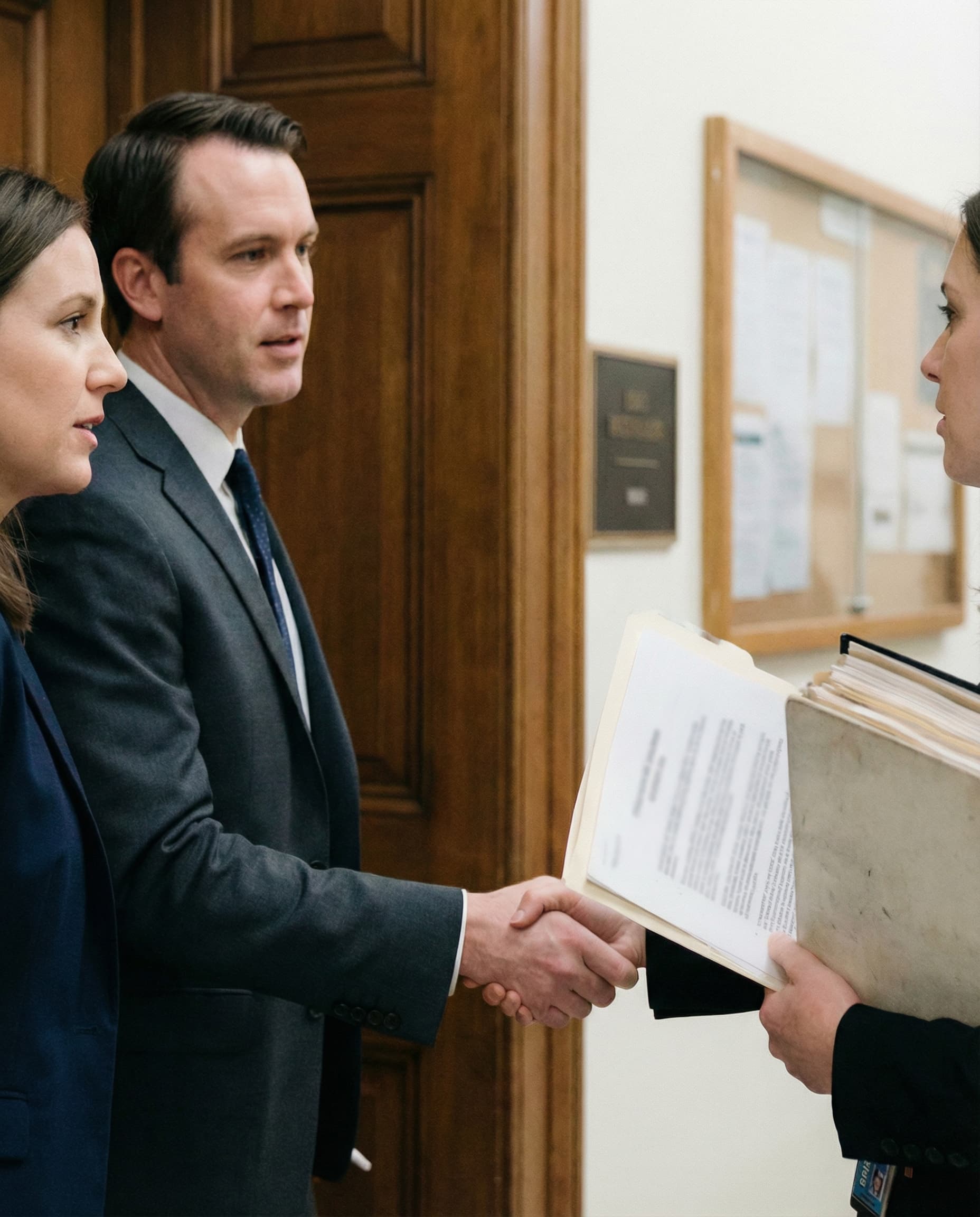
Pass comprehensive federal laws (like the John Lewis VRAA and Freedom to Vote Act) to set uniform standards and restore protections.
Move comprehensive federal voting rights bills through real decision points—committee action, floor time, and final passage—so protections are restored and standards are uniform. This strategy focuses on coalition lobbying that defends core provisions from dilution, keeps the work tied to the legislative calendar, and sustains pressure when momentum stalls. The goal is a durable federal framework that prevents backsliding in states.
Why this works
- This strategy tackles the problem at its root by overriding suppressive state laws and re-establishing a preventive framework (through preclearance) to stop discriminatory changes before they disenfranchise voters.
- The Freedom to Vote Act provisions – like minimum early voting days, no-excuse mail voting, making Election Day a holiday, etc.
- – would dramatically improve access in many states and create a more equitable baseline nationwide.
- It would also implement measures to insulate election administration from partisan meddling (e.g.
- protecting election officials from arbitrary removal).
- Importantly, federal law can also address gerrymandering for congressional districts by requiring independent commissions.
- These changes together would strengthen representation of communities of color and make elections more fair.
Common Cause
AdvocacyBuilding a stronger democracy and accountable government
Mechanism
About LobbyingHow Common Cause uses funding
- Define the specific federal vehicles and the core provisions that must survive negotiation.
- Build and align a coalition case using evidence of recent voting-law changes and credible validators.
- Engage decision-makers and staff through meetings, testimony, and targeted outreach tied to committee and floor timing.
- Track amendments and respond quickly to dilution risks and procedural stalls.
- Coordinate a public pressure plan that peaks at hearings, markups, and floor scheduling decisions.
- Publish an outcome readout and the next-step plan after any vote or delay.
Milestones
Checkpoints and the expected timing for each step
- 1
Coalition + bill priorities aligned
0–30 daysPartners agree on the target vehicles and a core protections checklist.
- 2
Committee path activated
This sessionHearings, markups, or rules steps are scheduled and coalition testimony and outreach are coordinated.
- 3
Floor action secured
This sessionLeadership sets floor timing and sponsors commit to defend core provisions.
- 4
Vote outcome + follow-through plan published
After a voteResults, changes, and next decision points are documented for supporters and partners.