
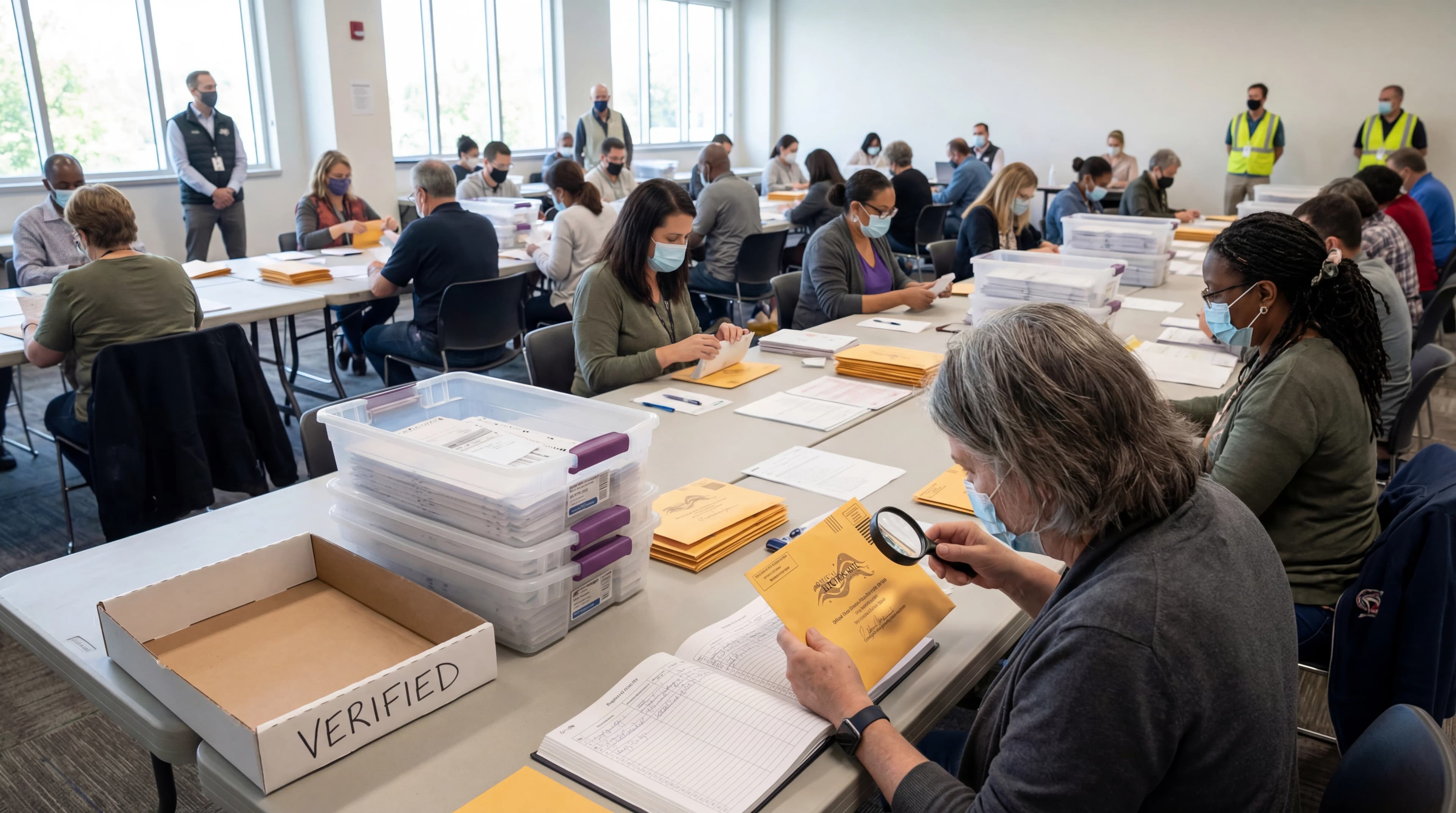
Focus on ensuring honest administration: recruit and support professional election officials, provide security and legal protections, and prepare contingency...
Protect the people and processes that make elections run safely and honestly, especially when misinformation and intimidation create pressure to bend the rules. This strategy builds local capacity and support networks for election officials and workers, coordinates rapid response to threats, and strengthens practical guardrails for counting and certification. The goal is resilient administration that holds up under stress.
Why this works
- This path is more administrative but vital.
- One reason 2020 held was that many Republican and Democratic officials at local and state levels did their jobs and resisted pressure (Georgia’s Secretary of State famously refused to “find votes” for Trump, etc.).
- Strengthening this bulwark means passing laws to criminalize threatening election workers (many states did so in 2022–2023), providing federal or state law enforcement task forces to quickly respond to intimidation or tampering attempts, and creating networks of lawyers to defend officials who uphold the law.
- Also, ensuring there are bipartisan observers and robust auditing procedures can make it harder to cast doubt on results.
- This strategy also includes training and education for media and the public on how results are counted, to preempt misinformation in that critical post-election period.
Common Cause
AdvocacyBuilding a stronger democracy and accountable government
Mechanism
About GrassrootsHow Common Cause uses funding
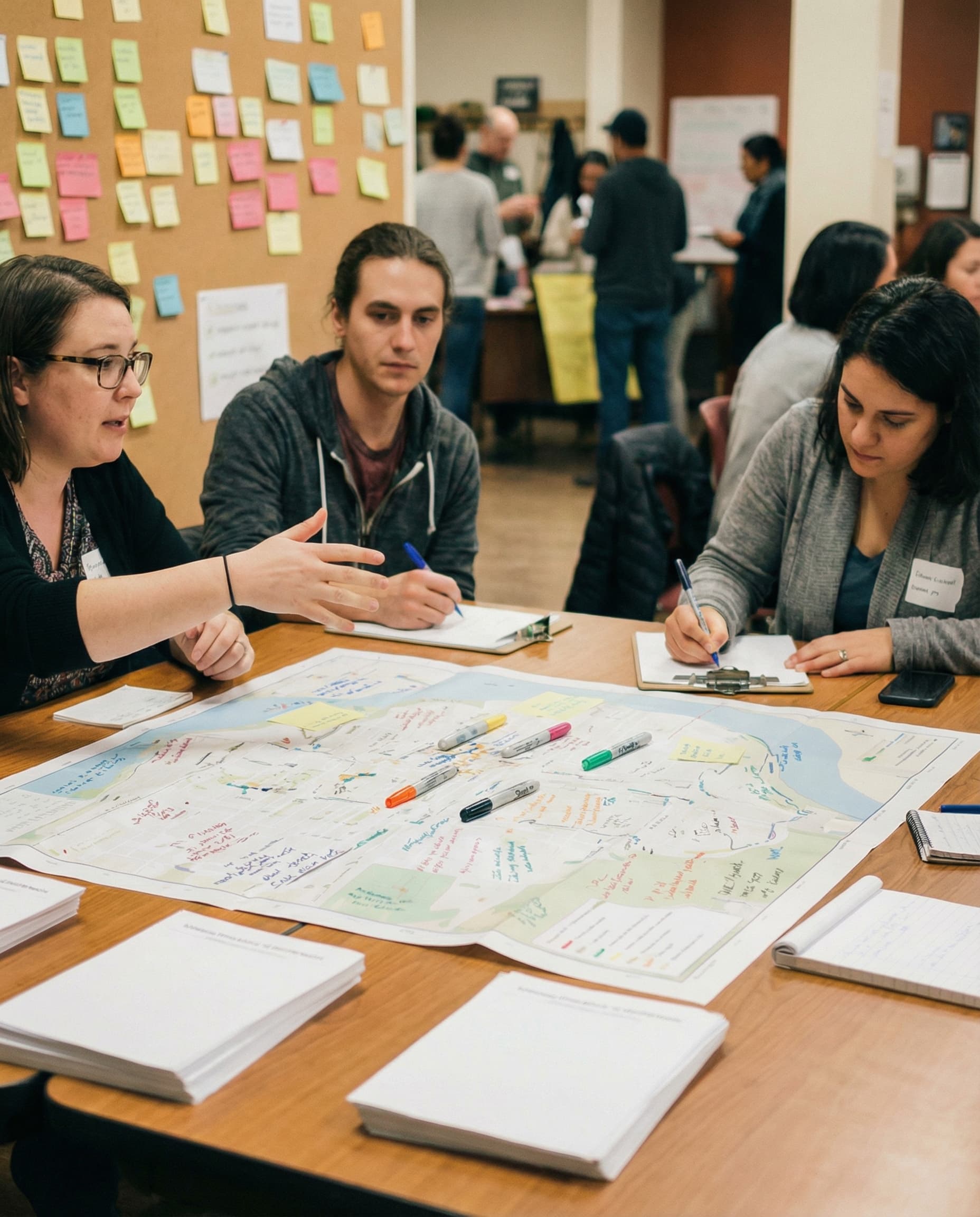
- Recruit and train local leaders and partners to support election administrators and workers.
- Build coalitions that include civic groups, legal support, and trusted community validators.
- Plan decision-window actions and support (meetings, guidance, rapid response) tied to key election phases.
- Establish clear protocols for threats, intimidation, and attempted process interference.
- Sustain cadence and coordination so support is available before and after Election Day.
- Convert pressure into outcomes by coordinating with policy and legal efforts when windows open.
Milestones
Checkpoints and the expected timing for each step
- 1
Support network + protocols established
0–60 daysContacts, escalation paths, and rapid-response workflows are documented and tested.
- 2
Training + readiness phase completed
Pre-electionPartners run training and tabletop readiness for key decision windows.
- 3
Decision-window response executed
Election and certification periodThreats and interference attempts receive timely, lawful response and clear public guidance.
- 4
After-action improvements shipped
Post-electionLessons learned translate into updated protocols and partner capacity for the next cycle.