
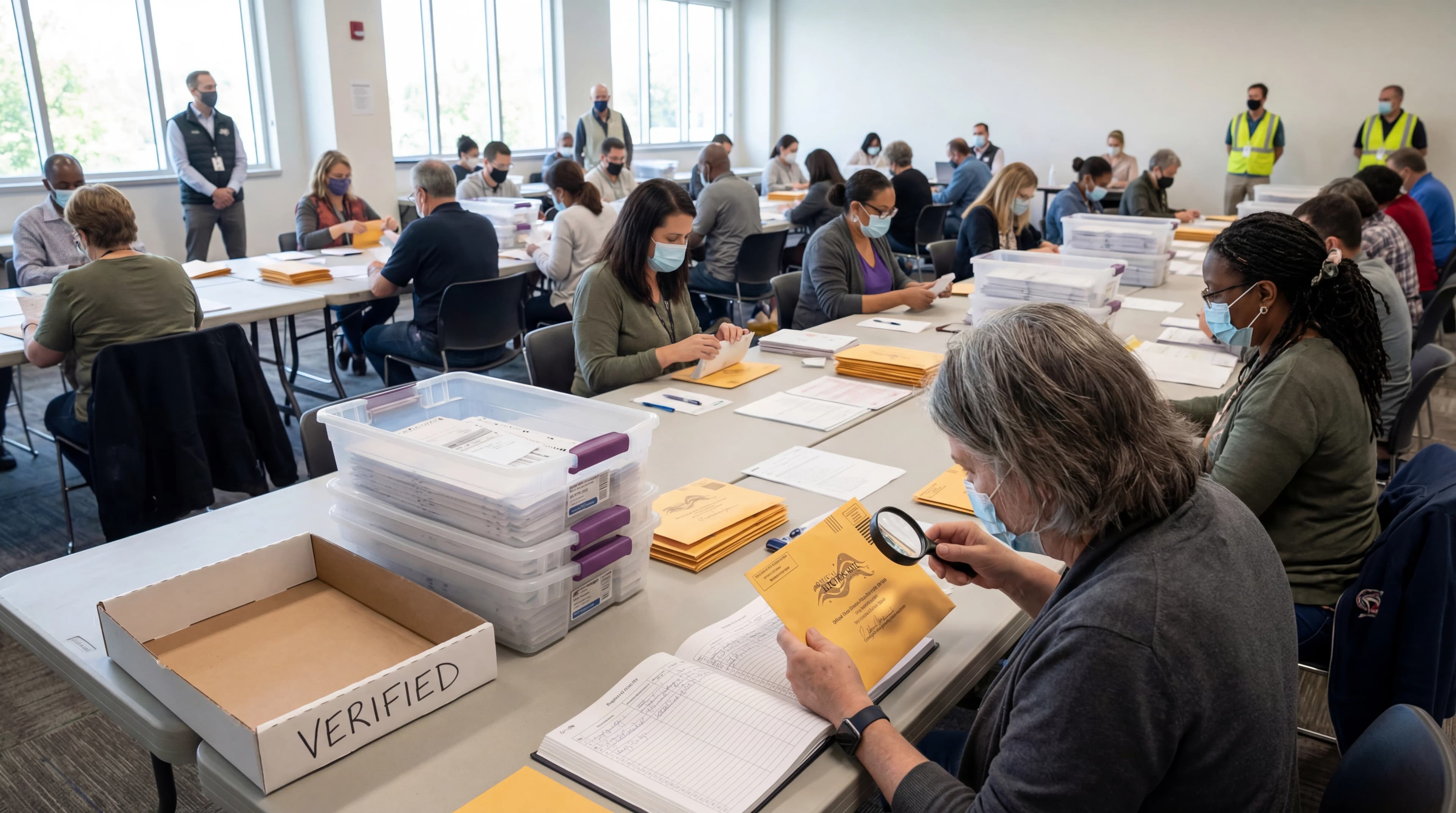

Challenge suppressive laws and defend voting rights in the courts using existing statutes (VRA Section 2, Constitution) and strategic lawsuits.
Use courts to block or narrow suppressive voting rules and defend equal access when legislative channels stall. This strategy prioritizes cases with strong standing and clear remedies, builds durable records, and seeks timely relief when elections are near. The goal is practical protection of voting rights and deterrence against future backsliding.
Why this works
- Civil rights groups and DOJ have had some success recently – e.g.
- court orders in 2022–2023 blocking or softening certain provisions (like federal courts blocked some onerous Texas vote-by-mail ID rules for disabled voters).
- As noted, the Supreme Court’s June 2023 decision reaffirmed that Section 2 of the Voting Rights Act can be used to strike down racially discriminatory district maps.
- Litigation can therefore protect minority voting strength (e.g.
- creating more fair districts in AL, LA, etc.
- which will give minority voters more representation in Congress).
- Lawsuits under the Constitution can also overturn extreme partisan gerrymanders in state courts (some states have strong state constitutional protections for voting).
- Legal action is a critical backstop: even if new restrictive laws pass, suits can delay or mitigate them for upcoming elections (for example, lawsuits forced some states to provide more reasonable options when their initially strict laws were challenged).
Campaign Legal Center
Tax-deductibleProtecting democracy through law
Campaign Legal Center (CLC) is a nonpartisan legal advocacy organization that fights for robust democracy in the U.S. by advancing voting rights, campaign finance transparency, and government ethics:. Founded in 2002, CLC uses litigation and policy advocacy to enact reforms, challenge laws that undermine democratic processes, and ensure fair representation free from the influence of dark money.
Mechanism
About LitigationHow Campaign Legal Center uses funding
- Select plaintiffs and claims with clear standing and a realistic remedy.
- File cases and define the relief sought (stop, require, or correct an action).
- Build the record through evidence, briefs, and expert support.
- Seek interim relief when timing requires it (for example, injunctions).
- Resolve and enforce via settlement or ruling, including appeals and compliance follow-through.
- Translate legal outcomes into plain-English guidance for partners and affected communities.
Milestones
Checkpoints and the expected timing for each step
- 1
Case targets selected
0–30 daysPriority violations and defensible claims are chosen with clear remedies.
- 2
Filings submitted + record-building underway
1–3 monthsCases are filed and evidence development is active.
- 3
Interim relief pursued where needed
As elections approachMotions are filed on timelines that match decision windows.
- 4
Ruling or settlement achieved + enforced
As the docket movesOutcomes change rules or enforcement and compliance is tracked.