
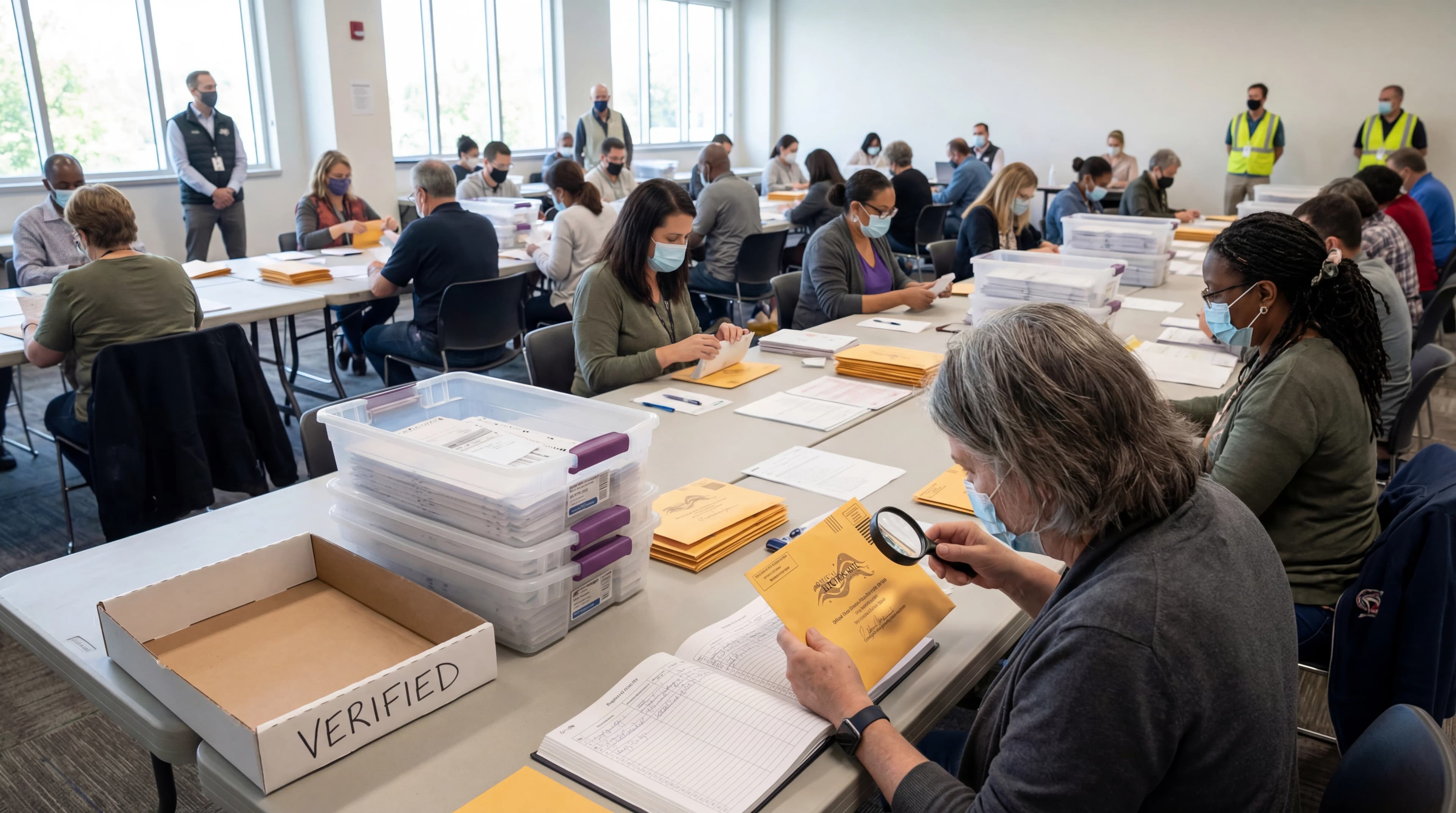

Pursue pro-democracy reforms through state legislatures or direct ballot measures in states.
Win state-level reforms that expand access and strengthen election rules when federal progress is stalled. This strategy focuses on drafting and passing reforms through state legislatures or ballot initiatives, then defending implementation so wins stick. The goal is a growing set of state successes that improve participation and model durable democracy protections.
Why this works
- Not every state is passing restrictive laws – some are moving forward.
- In states with friendly majorities, pushing state voting rights acts (like Virginia did in 2021) or state constitutional amendments to protect voting (as Michigan and New York have done) can lock in good practices irrespective of federal stagnation.
- Ballot initiatives have proven a powerful tool: when put directly to voters, measures like expanding early voting or establishing independent redistricting often pass, even in fairly moderate or purple states.
- For instance, Ohio voters in 2018 passed a redistricting reform by large margins, and in 2023, Michigan’s citizen-initiated independent redistricting commission completed its first maps, improving fairness.
- By 2025, more states could be targeted for ballot measures (if the state allows it) to enact same-day registration, automatic registration, etc.
- State actions can also build momentum and serve as examples for others.
League of Women Voters
AdvocacyEmpowering voters and defending democracy
Mechanism
About Ballot MeasuresHow League of Women Voters uses funding
- Draft and file reform language under state rules and stress-test it for procedural and implementation risk.
- Build a qualification and persuasion plan (deadlines, signature strategy, verification, and campaign operations).
- Build broad coalitions and trusted validators to carry the message.
- Run the campaign through Election Day or legislative votes, adapting as the environment changes.
- Plan for post-passage defense and implementation follow-through.
Milestones
Checkpoints and the expected timing for each step
- 1
Target states + reform package drafted
0–30 daysA shortlist of states and draft language are prepared for filing or sponsor outreach.
- 2
Filing or sponsorship secured
1–2 monthsThe measure is filed or a legislative sponsor path is confirmed with a calendar.
- 3
Qualification or legislative progress
During the campaignSignature and deadline checkpoints (or committee and floor milestones) stay on track.
- 4
Win + implementation defense
Post-vote or post-passageThe reform is implemented as intended and early challenges are managed.