
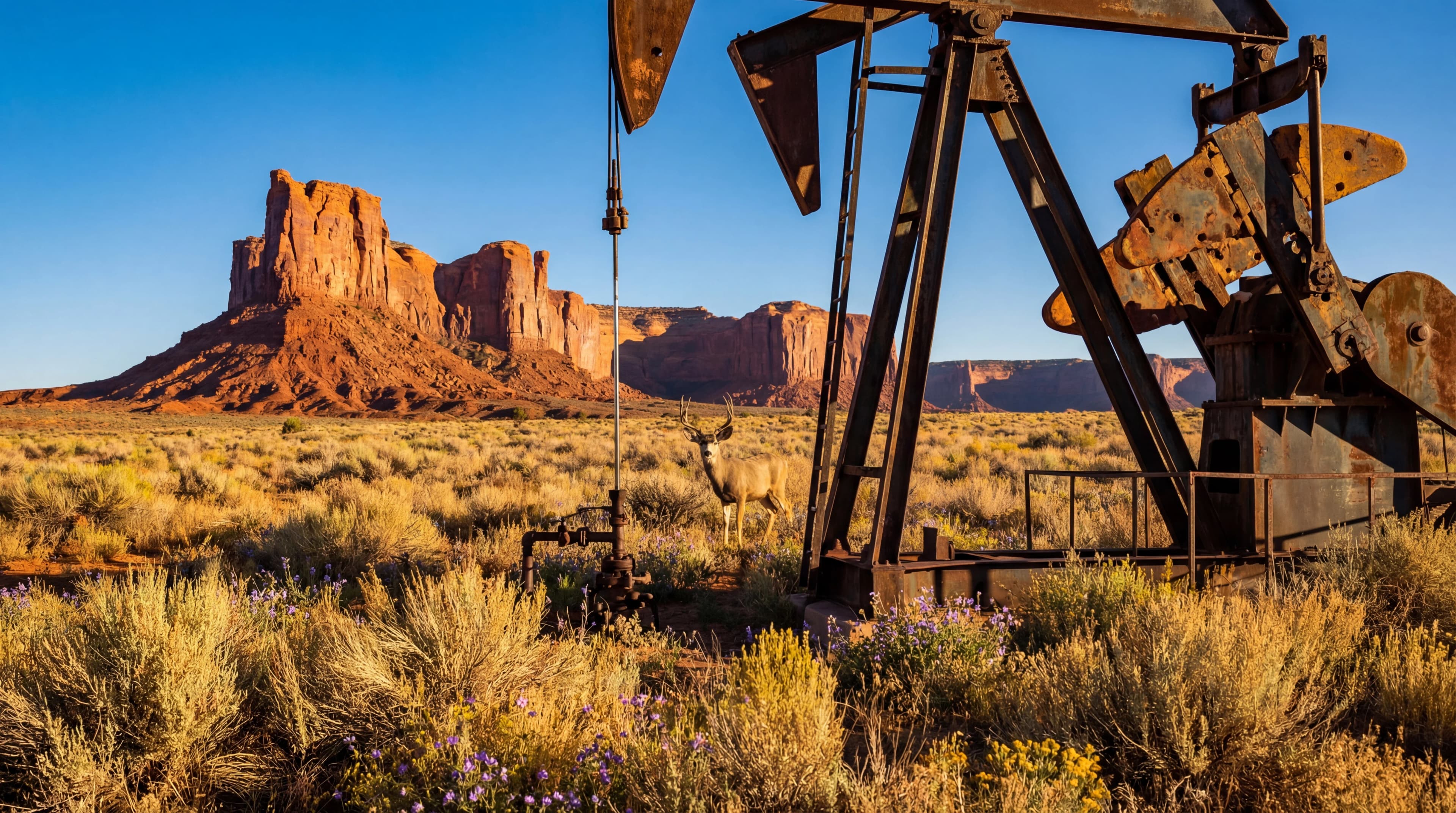

File lawsuits to block lease sales in ecologically or culturally sensitive areas by enforcing environmental laws (e.g. NEPA, which requires impact studies).
Use courts to force stronger environmental review and to block or delay lease sales in the most sensitive places. This is a backstop when agency decisions move too fast or ignore climate, habitat, or community impacts, and it can buy time for better planning and public participation. Because cases are often narrow, litigation works best in tandem with policy and organizing that reduces repeat leasing pressure.
Why this works
- Has stopped or delayed leases that didn’t consider climate or community impacts (courts have voided many Trump-era leases).
- It buys time and forces stronger reviews.

Natural Resources Defense Council
Tax-deductibleInternational environmental advocacy leveraging science, law, and policy to protect people and nature.
Mechanism
About LitigationHow Natural Resources Defense Council uses funding
- Identify the highest-risk lease sales and the strongest legal theories based on existing environmental requirements.
- Select plaintiffs with standing and build a clear record of harms and procedural failures.
- File targeted cases seeking specific remedies that stop or correct the lease action.
- Pursue interim relief when needed so sensitive areas aren’t leased before review improves.
- Monitor compliance and defend wins so outcomes translate into on-the- ground protection.
Milestones
Checkpoints and the expected timing for each step
- 1
Case targets and claims selected
Near termPriority lease actions are identified with clear legal theories and plaintiffs.
- 2
Case filed and record built
Early litigationFilings, evidence, and expert support establish a strong factual record.
- 3
Interim relief pursued
If a lease sale is imminentA court pauses or constrains the lease action pending review.
- 4
Remedy secured and enforced
After ruling or settlementAgency compliance is tracked so protection is durable.