

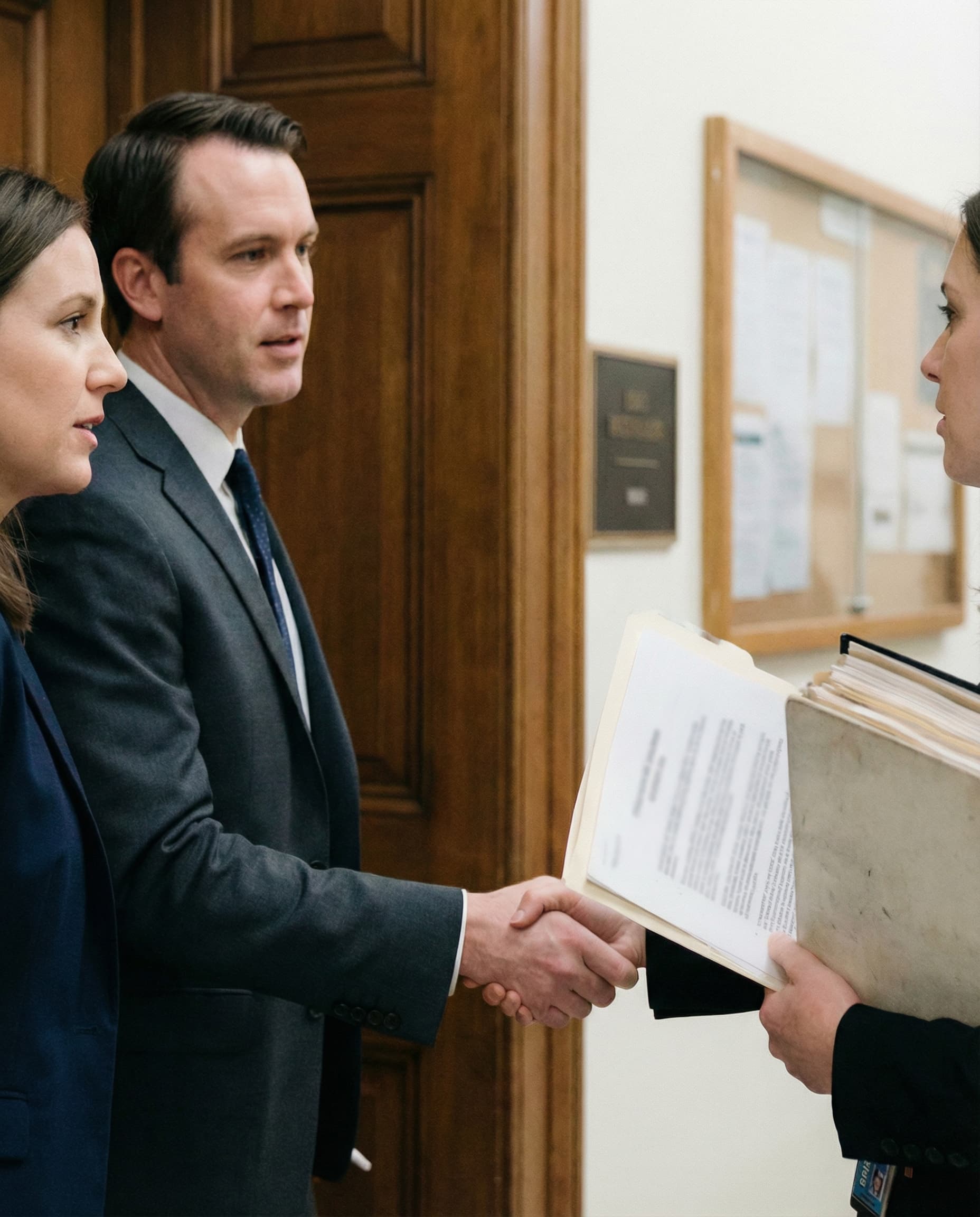
Advocate for executive and legislative action that withdraws sensitive lands from leasing and blocks efforts to overturn conservation-focused BLM plans.
Advocate for executive and legislative action – e.g. push the Interior Department to administratively withdraw more sensitive lands from leasing (as was done for Chaco) and lobby Congress for laws banning new leasing on federal lands (a tougher lift).
Why this works
- Agency rules (like higher royalties, conservation leasing) can materially curb leasing; a law would be durable.
League of Conservation Voters
AdvocacyElecting environmental champions and advocating for climate action
The League of Conservation Voters (LCV) is a prominent environmental advocacy and political organization founded in 1969. LCV works to turn environmental values into national priorities by influencing elections and policy: it publishes the National Environmental Scorecard rating lawmakers’ votes, lobbies for strong environmental protections, and through its affiliated PACs supports pro-environment candidates. LCV and its state affiliates mobilize voters, run issue campaigns on climate and conservation, and have helped secure victories such as passing stronger clean air and water laws and defending public lands.
Mechanism
About LobbyingHow League of Conservation Voters uses funding
- Define the objective and the decision-maker for each pathway, from agency withdrawals to congressional disapproval fights.
- Build the case with clear harms and a practical alternative to new leasing in sensitive areas.
- Meet with lawmakers, staff, and agencies to push protective actions and oppose rollbacks.
- Track committee movement, amendments, and vote timing; adjust coalition pressure accordingly.
- Close the loop with a public summary of what was protected and what needs the next push.
Milestones
Checkpoints and the expected timing for each step
- 1
Defensive and proactive targets set
Near termPriority votes, agency actions, and plan decisions are mapped with a clear objective for each.
- 2
Coalition pressure mobilized
During key windowsCoordinated outreach and testimony align around the same protection demands.
- 3
Protective action advanced
During decision-makingDisapproval efforts are stopped or agency protections move forward.
- 4
Outcome and next steps published
After the outcomeA public readout documents what changed and what remains exposed.