Collaborate with nonprofits and state/local gov’ts to wipe out existing medical debt and prevent future accrual.
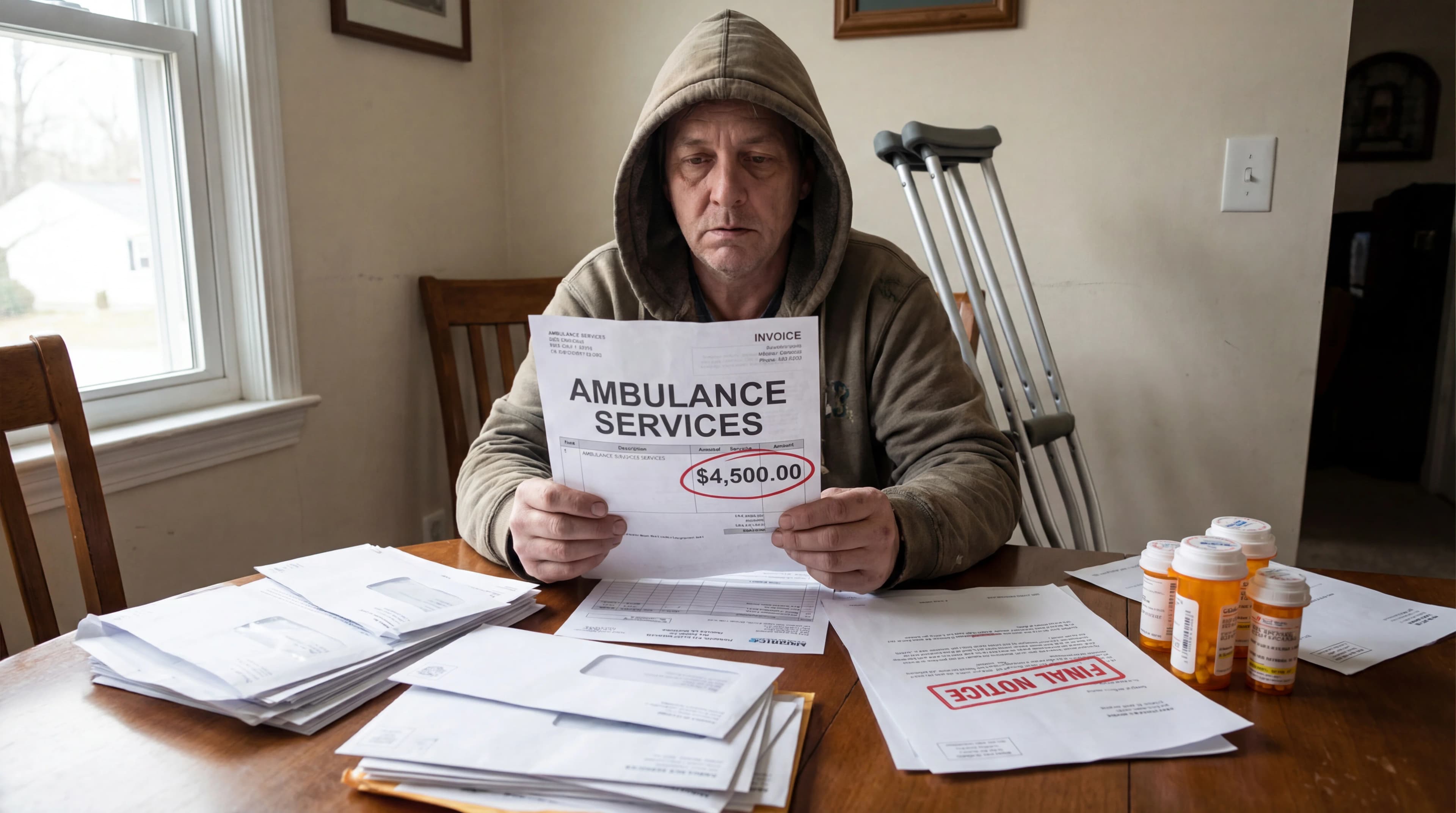
Partner with nonprofits and state or local governments to buy and forgive existing medical debt, giving people immediate relief while broader reforms catch up. Use organizing to build the coalition that makes a debt-relief program workable and repeatable. This matters now because the model already exists, and jurisdictions can pair forgiveness with stronger charity-care screening before debts hit collections.
Why this works
- The RIP Medical Debt model has been hugely successful: buying debt for pennies on dollar and forgiving it.
- Several localities and states (e.g., Illinois allocated $8 million ARPA funds to clear $560 million of debt) are doing this.
- Pushing more states to partner with RIP or create funds (NY’s budgeted $100M for it) could eliminate massive amounts of old debt quickly.
- While this doesn’t fix underlying billing, it frees people from current burden.
- Also, expanding financial assistance: states can enforce that (e.g.
- Colorado just required hospitals to screen for charity care eligibility before sending to collections).
- Encouraging more states to implement these best practices is key.
- These efforts are popular and often face little opposition because the cost is relatively low and impact high.
Families USA
AdvocacyVoice for health care consumers
Mechanism
About GrassrootsHow Families USA uses funding
- Identify a willing jurisdiction and a partner that can purchase and forgive debt
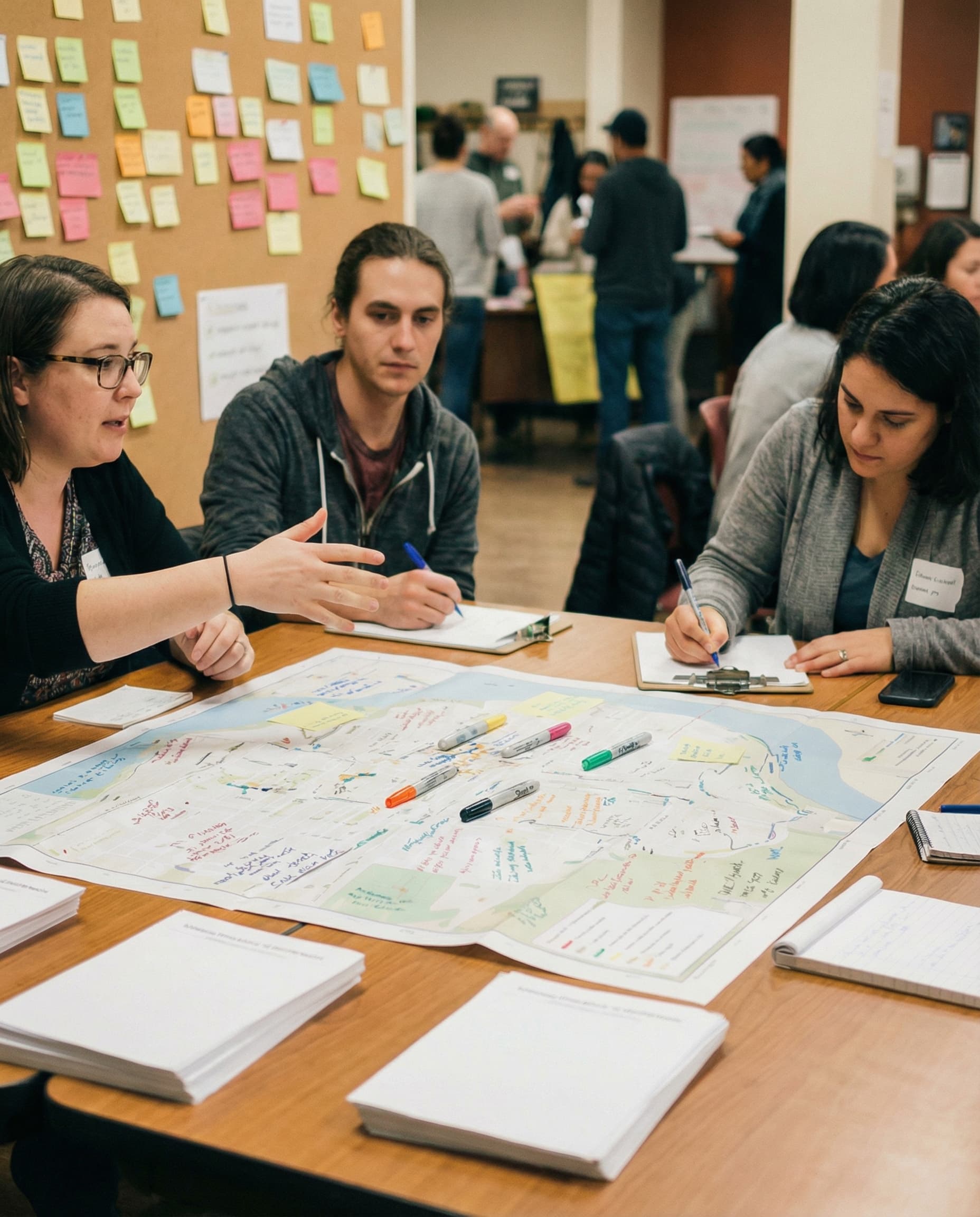
- Build a coalition of community groups and officials to set eligibility rules and outreach plans
- Secure funding and set up the operational pipeline for acquiring and forgiving qualifying debt
- Notify residents clearly and connect them to assistance for billing disputes and charity care
- Pair forgiveness with screening and collection safeguards to reduce new debt from accruing
- Publish outcomes and lessons to encourage replication and support upstream reforms
Milestones
Checkpoints and the expected timing for each step
- 1
Identify a pilot jurisdiction and partner
Near-termA lead jurisdiction and operating partner agree on scope and roles
- 2
Secure funding and finalize program design
Near-termFunding is allocated and eligibility and operations are documented
- 3
Execute the first debt forgiveness round
Mid-termDebt is purchased and forgiven and residents are notified
- 4
Add prevention safeguards
Mid-termScreening and assistance pathways expand before debts hit collections
- 5
Replicate and scale the model
Longer-termAdditional jurisdictions adopt similar programs using the pilot as a model