
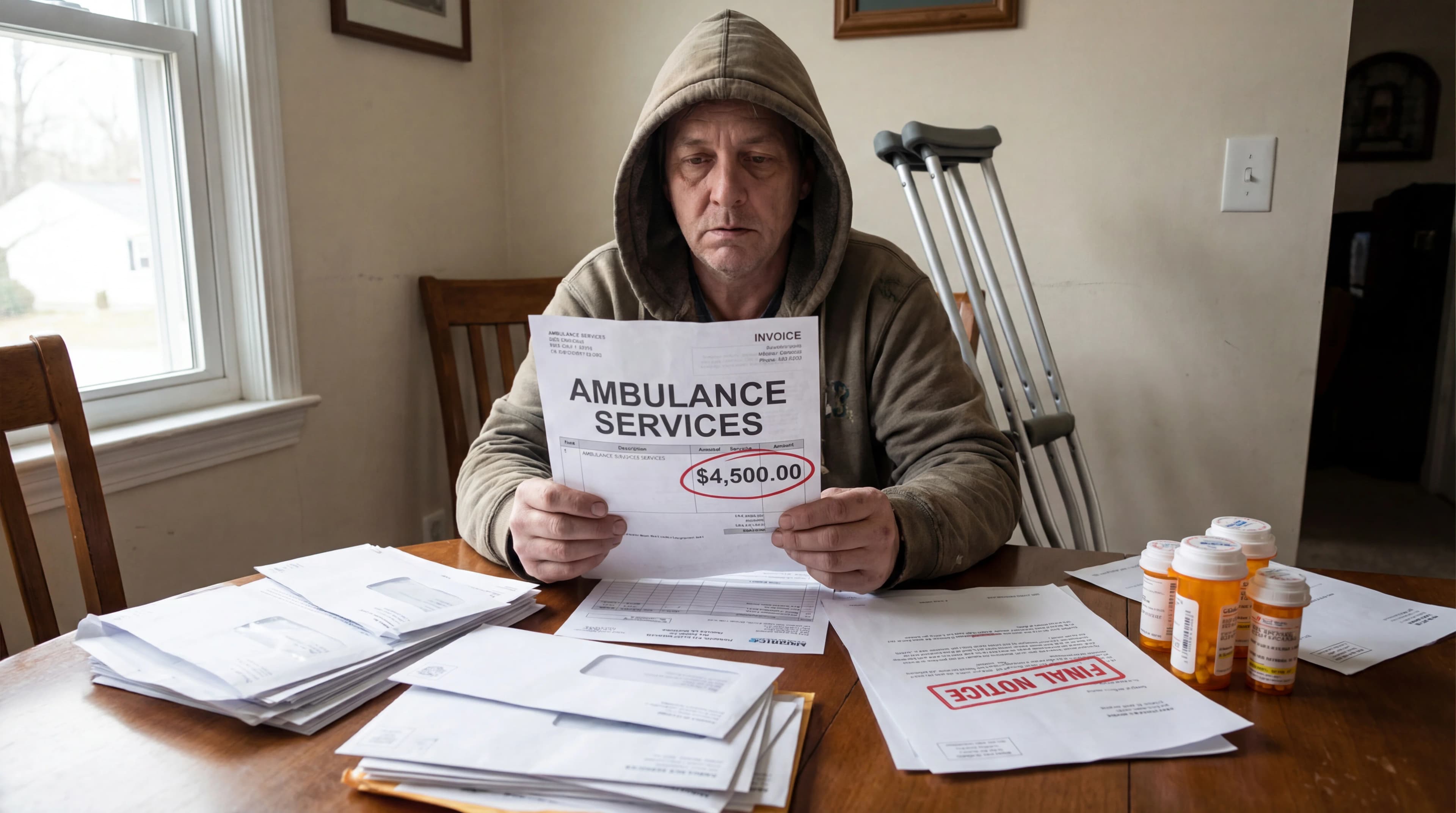

Have agencies aggressively enforce current laws and tweak regulations to fill gaps.
Use existing No Surprises Act authority to make the rules easier to follow, harder to evade, and costly to violate. Work with HHS, the Department of Labor, CMS, and CFPB to streamline the dispute process, improve complaint handling, and enforce medical-debt credit-reporting changes. This matters now because lawsuits, rule rewrites, and backlogs can turn a protection on paper into a confusing process people give up on.
Why this works
- HHS (and the Dept.
- of Labor for employer plans) can issue clearer guidance or rules to streamline the IDR process so providers and insurers settle more disputes without arbitration.
- They can also increase penalties for any provider that tries to bill patients illegally.
- For example, setting up a well-publicized patient complaint system and then fining repeat offender hospitals or doctors will deter others.
- For ground ambulances, while waiting on Congress, the federal gov’t can encourage states to regulate them (perhaps tie Medicaid/Medicare funds to states adopting balance billing bans for ambulances).
- Also, CMS could require more price transparency from ambulance providers so patients can at least anticipate costs.
- On medical debt, CFPB needs to vigorously implement its rule – ensuring credit bureaus actually remove medical collections (CFPB will supervise them closely).
- Also, CFPB can use its powers to crack down on abusive medical debt collection practices (they already consider certain tactics unfair, but could update rules to e.g.
- prohibit suing on very old medical debts or requiring more verification before collections).
- HHS could update the requirements for nonprofit hospitals’ tax-exempt status to mandate generous charity care and ban them from placing liens on patients’ homes or garnishing wages if the patient is low-income – essentially force better behavior via IRS rule or guidance.
Public Citizen
AdvocacyChampioning consumer rights and accountable government
Mechanism
About LobbyingHow Public Citizen uses funding
- Map where the system is breaking down, including the dispute backlog, complaint handling, and credit-reporting compliance
- Bring specific rule and guidance proposals to HHS, the Department of Labor, CMS, and CFPB based on implementation problems
- Help design and publicize a simple patient complaint pathway for prohibited bills
- Support enforcement playbooks that prioritize repeat offenders and clarify penalty expectations
- Press for dispute-process changes that reduce abuse and resolve legitimate payment issues faster
- Monitor credit bureaus and collectors for compliance and elevate repeat patterns for action
- Publish plain-language updates so patients and helpers know what to do when a prohibited bill arrives
Milestones
Checkpoints and the expected timing for each step
- 1
Align on top enforcement fixes
Near-termA short list of dispute, complaint, and credit-reporting fixes is agreed with agency counterparts
- 2
Publish clearer guidance and priorities
Near-termUpdated guidance or enforcement priorities are issued and stakeholders reference them
- 3
Improve complaint intake and follow-through
Mid-termComplaint pathways are visible and repeat issues are routed to enforcement
- 4
Reduce dispute backlog and abuse
Mid-termDisputes resolve more predictably and backlog growth slows
- 5
Verify credit reporting compliance
Mid-termCredit bureaus implement medical-debt changes and errors are corrected when disputed