
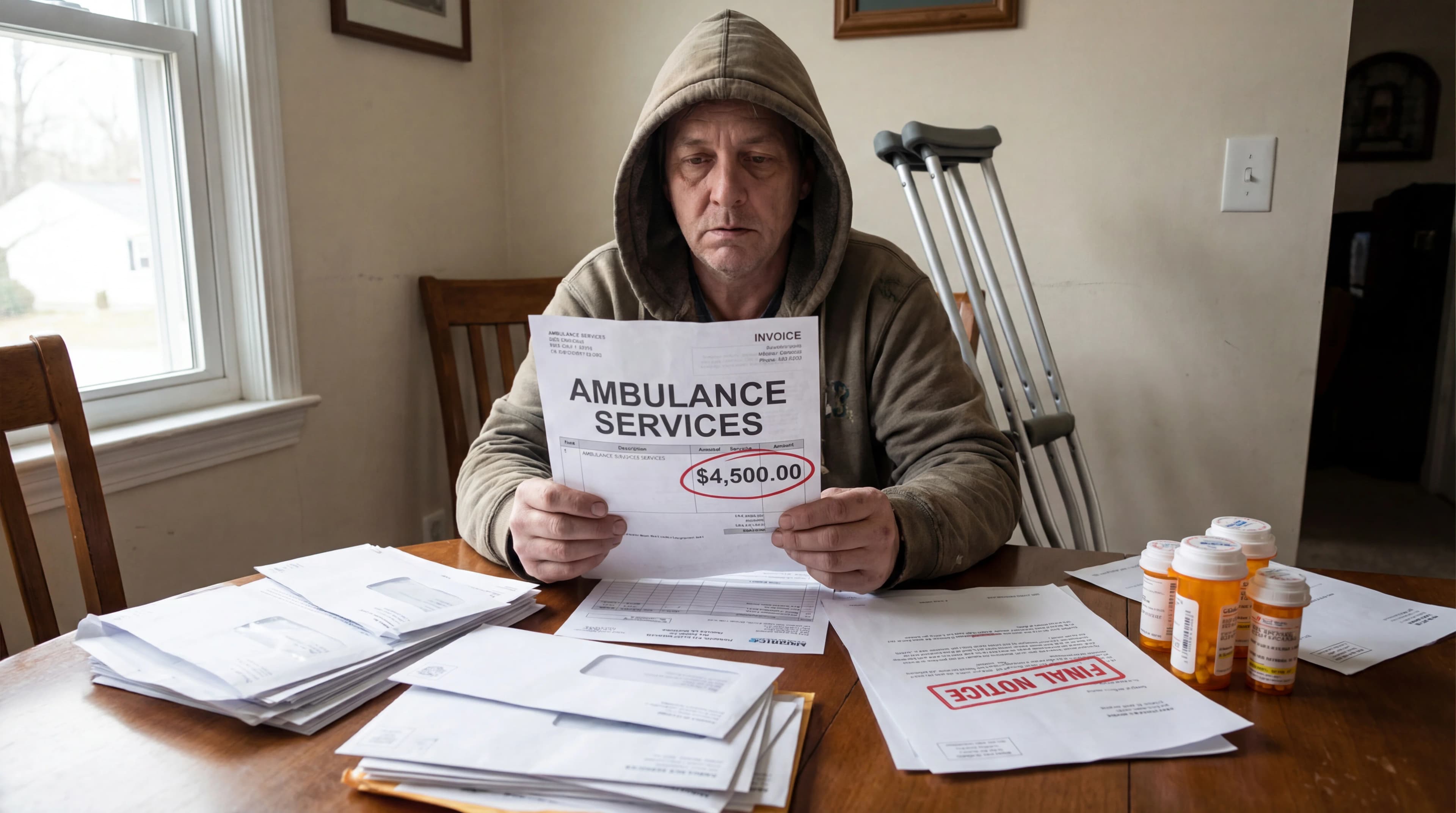

Empower patients to use their rights and resources.
Turn No Surprises Act rights and medical-debt protections into simple guidance people can actually use when a bill arrives. Route patients to consumer assistance programs, advocates, and practical templates so disputes are filed and resolved instead of paid in panic. This matters now because awareness gaps and process backlogs can undermine enforcement even when the rules exist.
Why this works
- Ensure patients know: “It’s illegal for you to get a surprise bill from an ER or scheduled in-network surgery.
- If you do, here’s how to contest it.” Many states have consumer assistance programs (CAPs) funded to help with insurance issues – these could be promoted as go-to for surprise bill problems.
- Also, advertise the CFPB rule: people might not realize their credit score improved because med debt gone; letting them know encourages them to check and dispute any lingering misreports.
- For medical bills generally, patient advocates can help negotiate bills down or apply for charity – expanding medical billing advocates or navigator programs could help individuals avoid debt.
- For example, New Mexico created a medical debt hotline that successfully resolved a bunch of cases.
The Institute for College Access & Success
Tax-deductibleImproving college affordability and outcomes for students
Mechanism
About EducationHow The Institute for College Access & Success uses funding
- Translate the rules into plain-language explainers on what bills are prohibited and how to contest them
- Create checklists, scripts, and templates people can use to dispute a surprise bill
- Refer people to existing consumer assistance programs and patient advocates for billing and insurance help
- Promote the CFPB medical-debt credit-reporting changes and encourage people to check and dispute lingering errors
- Support navigator or hotline capacity so people can negotiate bills and apply for charity care before collections
- Aggregate repeat patterns and route them to agencies and advocates to inform enforcement and guidance updates
Milestones
Checkpoints and the expected timing for each step
- 1
Publish a dispute toolkit and templates
Near-termA clear toolkit exists and is shared by partners and helpers
- 2
Set up referral and navigator pathways
Near-termPatients can be routed quickly to assistance programs and advocates
- 3
Launch credit reporting outreach
Mid-termMore people check and dispute lingering medical-debt errors
- 4
Expand assistance capacity and coverage
Mid-termHotlines or navigators handle common cases without long delays
- 5
Feed patterns into enforcement and guidance
Longer-termRepeat issues lead to clearer guidance or targeted enforcement