
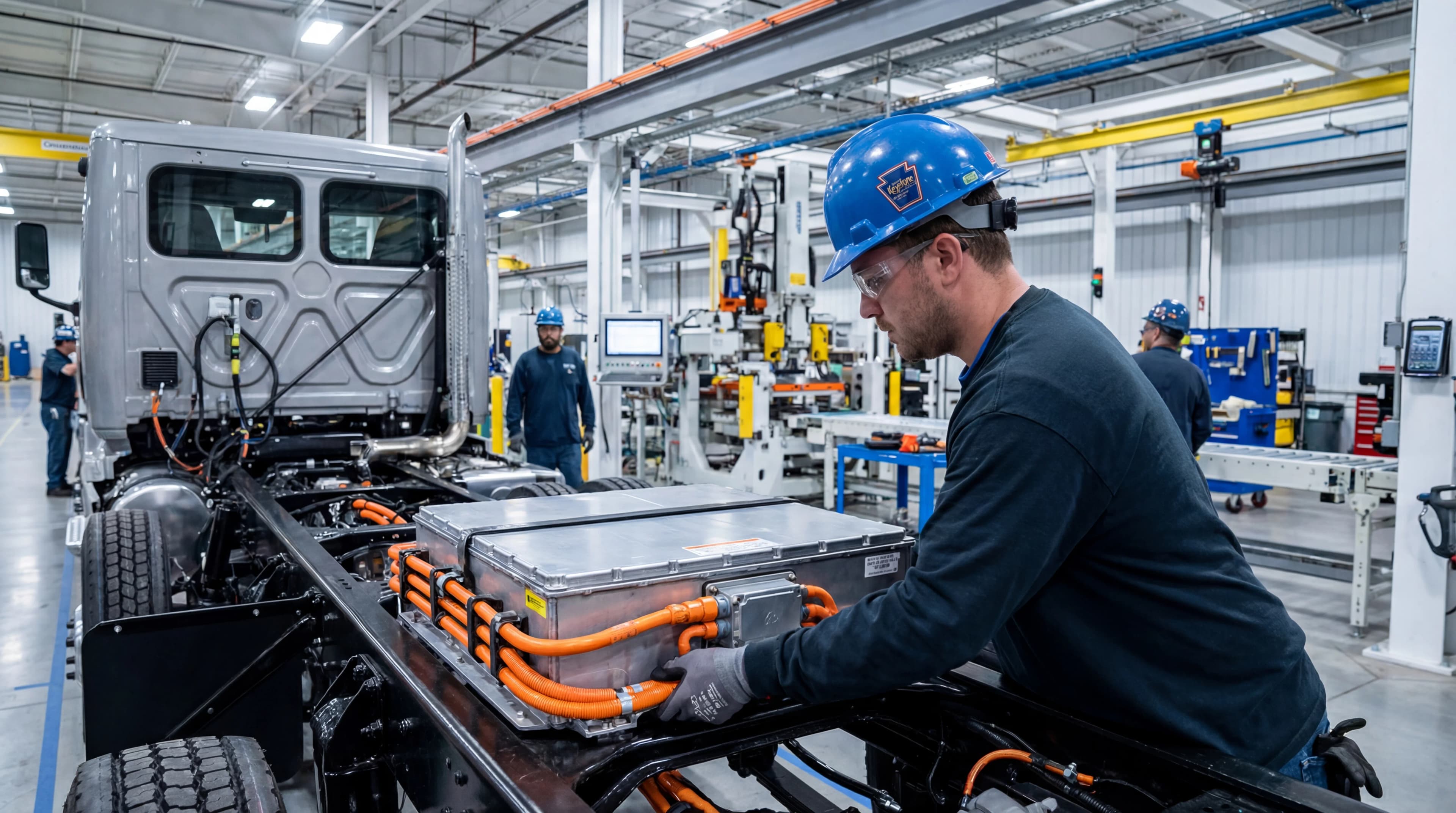

Launch and publicize pilot programs in PA cities to showcase electric trucks in action, building momentum from the ground up.
Run local pilot deployments that show clean trucks working in real Pennsylvania freight contexts and build momentum for ACT adoption. This strategy pairs demonstration projects with transparent lessons on charging and operations, so skepticism is reduced and implementation risks are surfaced early. Pilots complement the rule’s market signal by making the transition feel concrete and achievable.
Why this works
- Seeing is believing.
- If in 2024–2025 Philadelphia deploys a set of electric transit or delivery trucks (perhaps funded by that $45M school bus grant or other funds), and it’s on the evening news – “these new electric trucks are delivering groceries in Philly quietly and without tailpipe fumes” – it builds public familiarity and excitement.
- The state can partner with a major fleet (e.g.
- PECO utility or Wawa or UPS) for a pilot where a portion of their trucks go electric in PA, demonstrating feasibility and cost savings.
- This could generate positive media and give lawmakers a local success story to point to.
- It also helps work out kinks (where to charge, training mechanics) ahead of the mandate.

Natural Resources Defense Council
Tax-deductibleInternational environmental advocacy leveraging science, law, and policy to protect people and nature.
Mechanism
About Field TestingHow Natural Resources Defense Council uses funding
- Identify willing fleets and cities where pilots can run with realistic routes and support.
- Coordinate charging access, maintenance readiness, and training mechanics before vehicles deploy.
- Launch pilots and monitor performance, reliability, and operational learnings.
- Publish clear takeaways that policymakers and fleets can use, including what needs to improve.
- Use pilots to inform infrastructure readiness planning alongside the rulemaking timeline.
- Coordinate with coalition and communications efforts so pilots translate into public confidence.
Milestones
Checkpoints and the expected timing for each step
- 1
Pilot partners and sites selected
EarlyFleets and cities agree on goals, routes, and support requirements.
- 2
Charging and operations plan secured
Before deploymentCharging access, maintenance readiness, and training plans are confirmed.
- 3
Pilot deployment launched
At launchVehicles operate with monitoring and clear feedback channels.
- 4
Lessons published for replication
After early operationsA clear set of learnings informs both implementation planning and future pilots.
- 5
Replication pathway defined
OngoingAdditional pilots are scoped using shared standards and improved readiness criteria.