

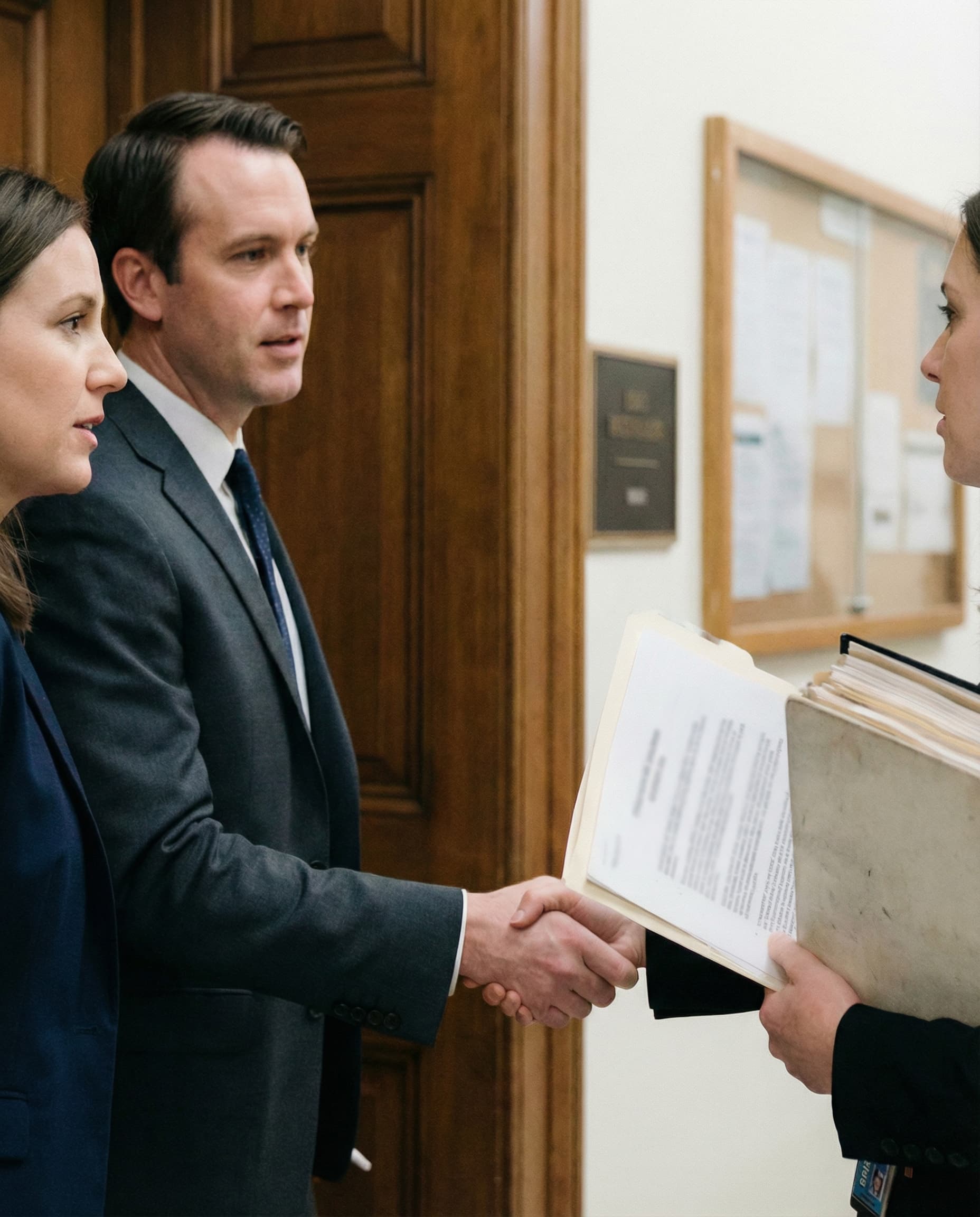
Preempt or neutralize legislative opposition by education and, if needed, negotiation.
Reduce the odds that legislative opponents derail the rulemaking through misinformation, riders, or procedural delays. This strategy focuses on targeted education and selective negotiation that addresses legitimate concerns—like infrastructure readiness—without gutting the rule. The goal is to keep the DEP process moving while preventing loopholes that would undermine effectiveness.
Why this works
- Quietly work with moderate Republicans or those representing districts with air quality issues to find common ground.
- Perhaps there’s room for complementary legislation that helps constituents – e.g.
- a bill to provide tax credits for Pennsylvania trucking companies purchasing ZEVs, which could be a sweetener that gives hesitant legislators something positive to vote for even as DEP moves forward.
- By informing legislators of the economic findings (like PA missing out on $24.9B by 2050 if it doesn’t adopt ACT), some may soften.
- Ensuring key committee chairs get briefed by industry supporters (like local manufacturers who see benefit) might reduce fervor for blocking the rule.
Sierra Club
AdvocacyExploring, enjoying, and protecting the planet
Mechanism
About LobbyingHow Sierra Club uses funding
- Map the sources of opposition and identify lawmakers who are persuadable with credible information.
- Brief legislators using business support and health and economic analysis already in the public record.
- Develop complementary policy options that address concerns without weakening the rule’s core.
- Monitor budget and oversight processes for riders or procedural threats and respond quickly.
- Negotiate only where it prevents derailment, while keeping clear guard rails against loopholes.
- Coordinate with the governor’s messaging and coalition work so engagement is consistent and reinforcing.
Milestones
Checkpoints and the expected timing for each step
- 1
Opposition map and briefing package prepared
EarlyKey objections, likely tactics, and credible rebuttals are documented for rapid use.
- 2
Persuadable lawmakers engaged
As oversight beginsBriefings and validator outreach reduce uncertainty and lower opposition intensity.
- 3
Rider and procedural threats monitored
During budget and oversight windowsThreats are detected early and countered before they derail rulemaking.
- 4
Complementary solutions packaged
Before key votesPractical readiness measures are proposed without creating loopholes.
- 5
Rulemaking survives to adoption
At decision pointThe ACT rule advances without major delay or dilution.